


Literature watch
This literature watch identifies and shares recent advances in research about urban planning and innovations aimed at enhancing the sustainability of cities. It provides direct access to reliable, relevant and up-to-date content to fuel dialogue and action.

Publications in the spotlight !
They invite us to rethink cities as critical parts of a world in transition by offering rigorous perspectives and actionable steps.
Check them out now and expand your horizons!
Sustainable mobility
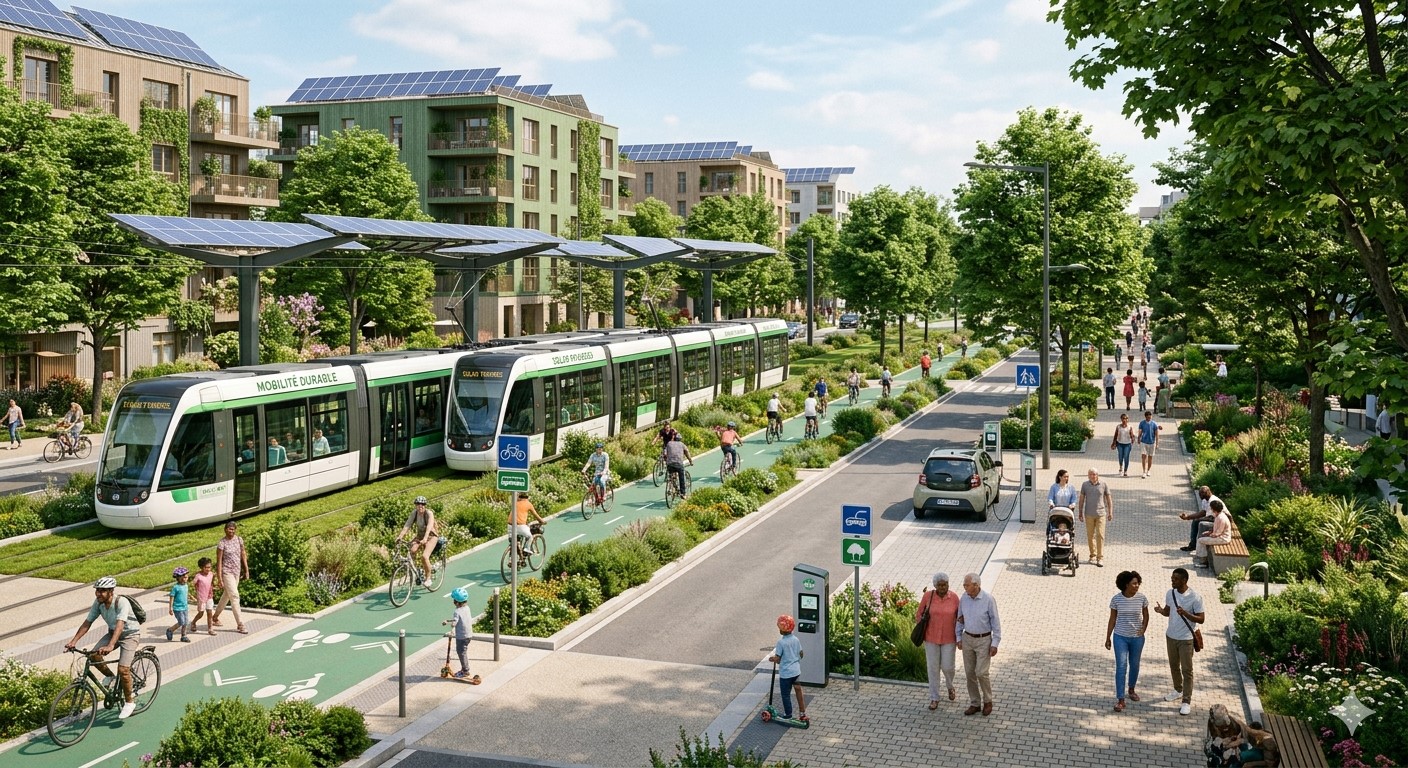
Urban sustainability science: from adaptation to regeneration on the road to 2050
Citation: Elmqvist, T., Anderson, P., Andersson, E., and al. (2026). Urban sustainability science: From adaptation to regeneration on the road to 2050. npj Urban Sustainability. https://doi.org/10.1038/s42949-026-00362-9
Abstract: This article calls for a shift in urban design models towards regenerative systems that can restore ecosystems while still meeting humans’ needs. It emphasizes a systemic approach incorporating transportation, energy and land-use planning. The authors highlight the importance of social justice in urban transformations. They say that decisions made today will determine the long-term sustainability of cities.
Sustainable cities and nature
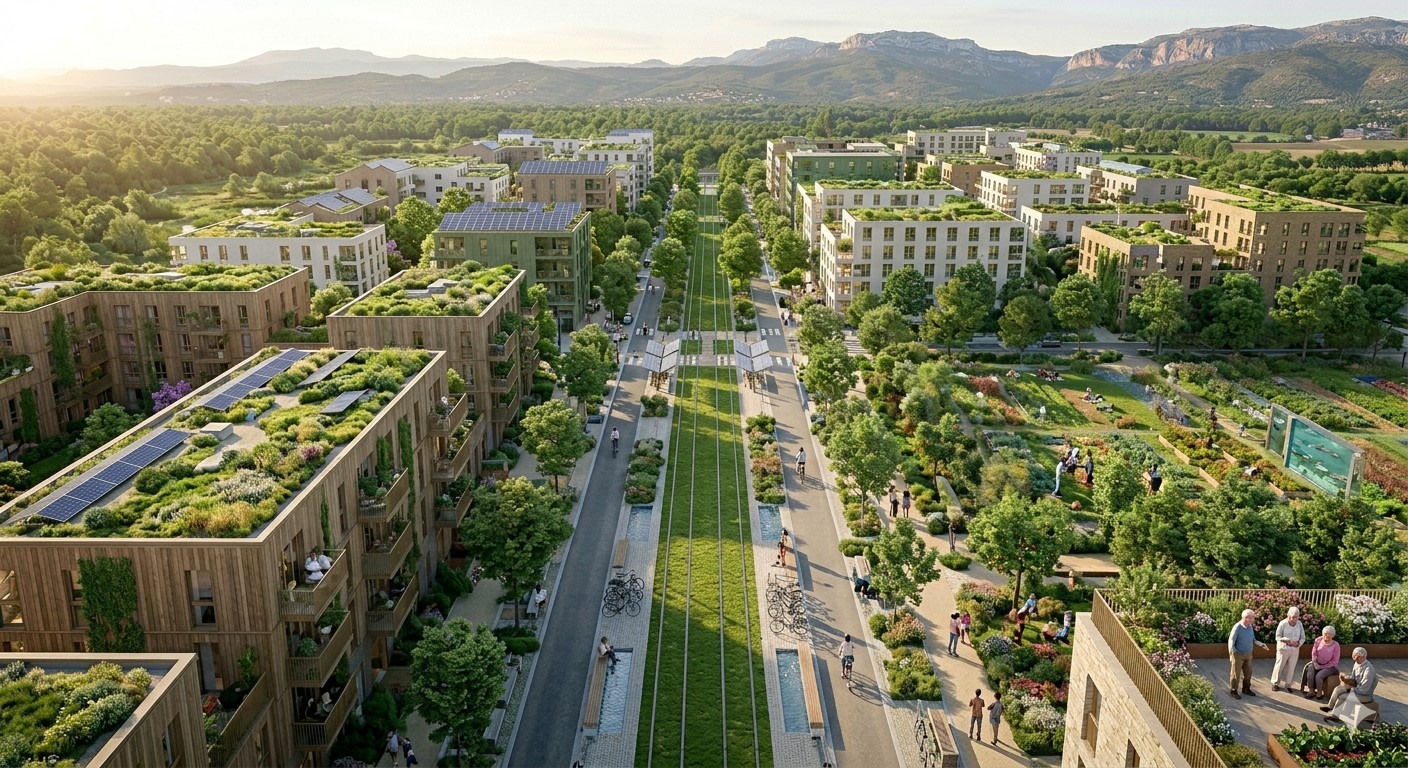
Improving landscape sustainability across urban and rural regions in a changing world
Citation: Liu, Z., Liu, Y., Cao, Q., and al. (2025). Improving landscape sustainability across urban and rural regions in a changing world . Landscape Ecology. https://doi.org/10.1007/s10980-025-02113-0
Abstract: This article analyzes the interplay between urban and rural landscapes in light of global changes. It reveals the key role green infrastructure plays in enhancing biodiversity and ecological resilience. The authors show that sustainability depends on integrated land-use planning. They also emphasize social and environmental benefits for communities.
Health and sustainability
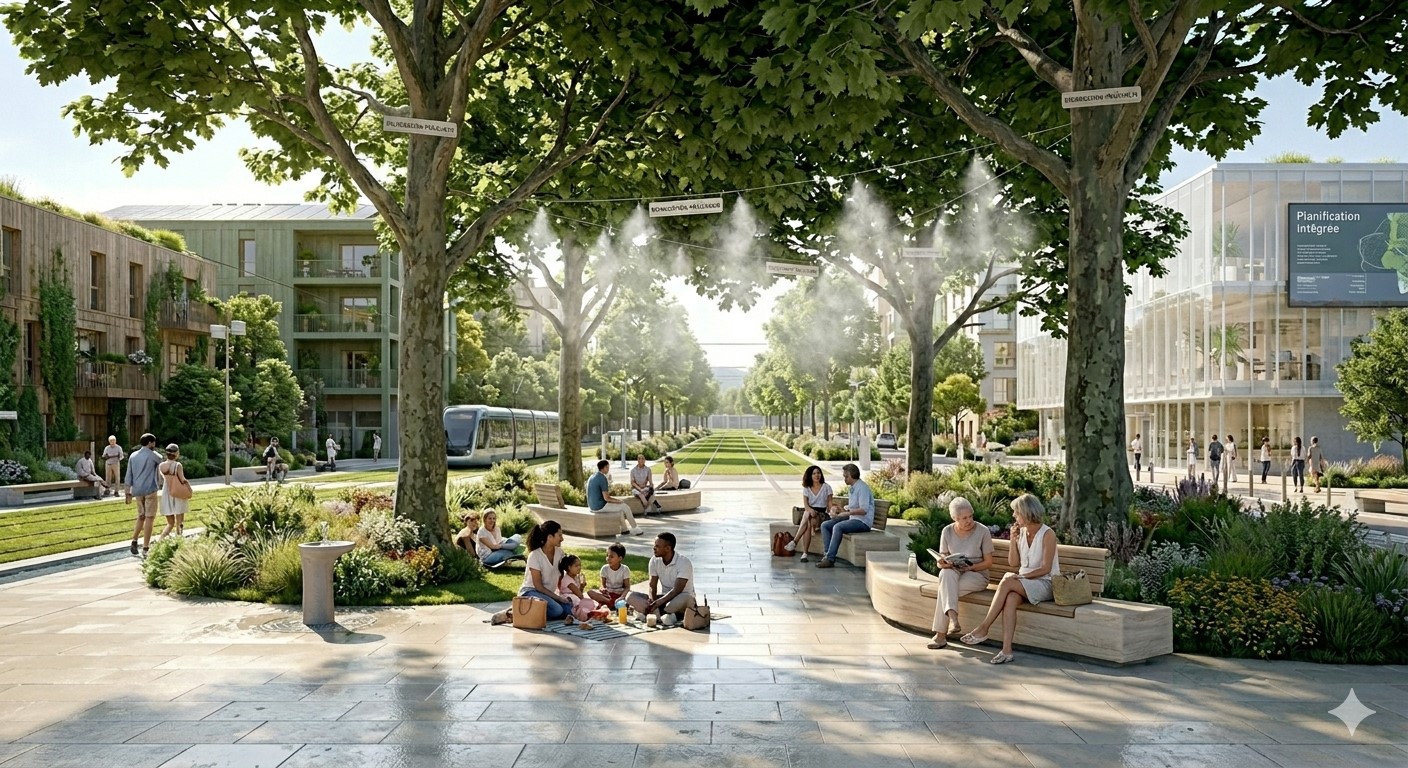
Enabling urban climate resilience through integrated optimization of urban design
Citation: Feng, W., Yang, L. E., Zeng, F., and al. (2025). Enabling urban climate resilience through integrated optimization of urban design. Frontiers in Sustainable Cities. https://doi.org/10.3389/frsc.2025.1657008
Abstract: This article explores the link between urban design and climate resilience, particularly in response to heat waves. It proposes solutions such as green spaces, the use of reflective materials and urban ventilation. Public health impacts, including reduced heat stress, are core considerations. The study puts forward a multidisciplinary approach to improving quality of life.
Sustainable energy transitions

Urban sustainability: challenges and opportunities for resilient and resource-efficient cities.
Citation: Zhong, Y., and Li, Y. (2024). Statistical Evaluation of Sustainable Urban Planning: Integrating Renewable Energy Sources, Energy-Efficient Buildings, and Climate Resilience Measures. Sustainable Cities and Society, 101, 105160.http://doi.org/10.1016/j.scs.2023.105160
Abstract: This article examines the challenges of transitioning to energy-efficient cities. It highlights issues related to resource management, governance and technological innovation. The authors identify strategies for improving energy efficiency and reducing emissions. They stress the need for a co-ordinated approach involving public- and private-sector stakeholders.
Sustainability and socio-political change

Urban housing regeneration strategies for sustainable city development: a systematic literature review
Citation: Chin, C. P., Alias, A., and Alkharabsheh, O. H. (2025). Urban housing regeneration strategies for sustainable city development: A systematic literature review. Discover Sustainability. https://doi.org/10.1007/s43621-025-01923-1
Abstract: This study explores how collective projects enable citizens to become involved in the management of their city. It shows how these projects promote participation, ecology, equality and the shared use of urban spaces, and compares multiple social and political aspects to highlight their impact on local development.
Sustainability-centred journals
Nature Cities
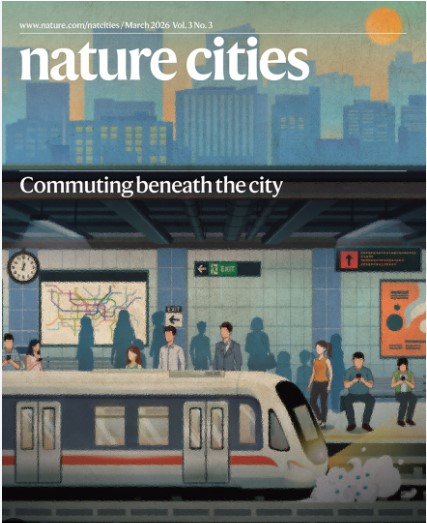
Vol. 3, No. 3, December 2025
- Affordable public housing and intergenerational mobility,
- Care networks as unanticipated gains of local public policy,
- Empirical evidence of air pollution reduction from electric vehicle usage across Chinese cities,
- Wavelength-specific urban nighttime light modulates expressed sentiment across China,
- Homogenization and differentiation of urban tree assemblages globally,
- Intercity economic ties amplify natural disasters spillovers in China.
Sustainable Cities and Society
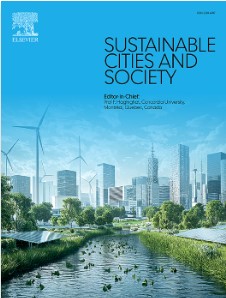
Vol. 133, January 2026
- Urban heat island assessment constrained by administrative boundaries: Methodological framework and comparison analysis,
- Assessing the impact of smart city development on urban resilience: An empirical study based on China’s smart city pilot policy,
- Mitigating urban heat exposure inequity with a seasonally adaptive machine-learning approach,
- Unpacking the vertical city: Interaction effects of urban forms on temperatures using SHAP,
- Cymatic urbanism: A spatial modelling framework for urban noise resilience,
- Comprehensive assessment approach of regional resource sustainability based on environmental footprint,
- How much do users matter? An integrated method for building flood vulnerability and exposure assessment in Historic Urban Areas,
- How does sun shading affect street commercial vitality? Evidence from street view images,
- Beyond the average: Modeling heterogeneous emotional responses to urban form using explainable machine learning and ambulatory technology.
Contactez-nous
Assistance générale
Pour tout renseignement sur les activités du programme et les relations média, veuillez contacter :
Farah Gherbi
Assistante de recherche
Courriel : [email protected]