

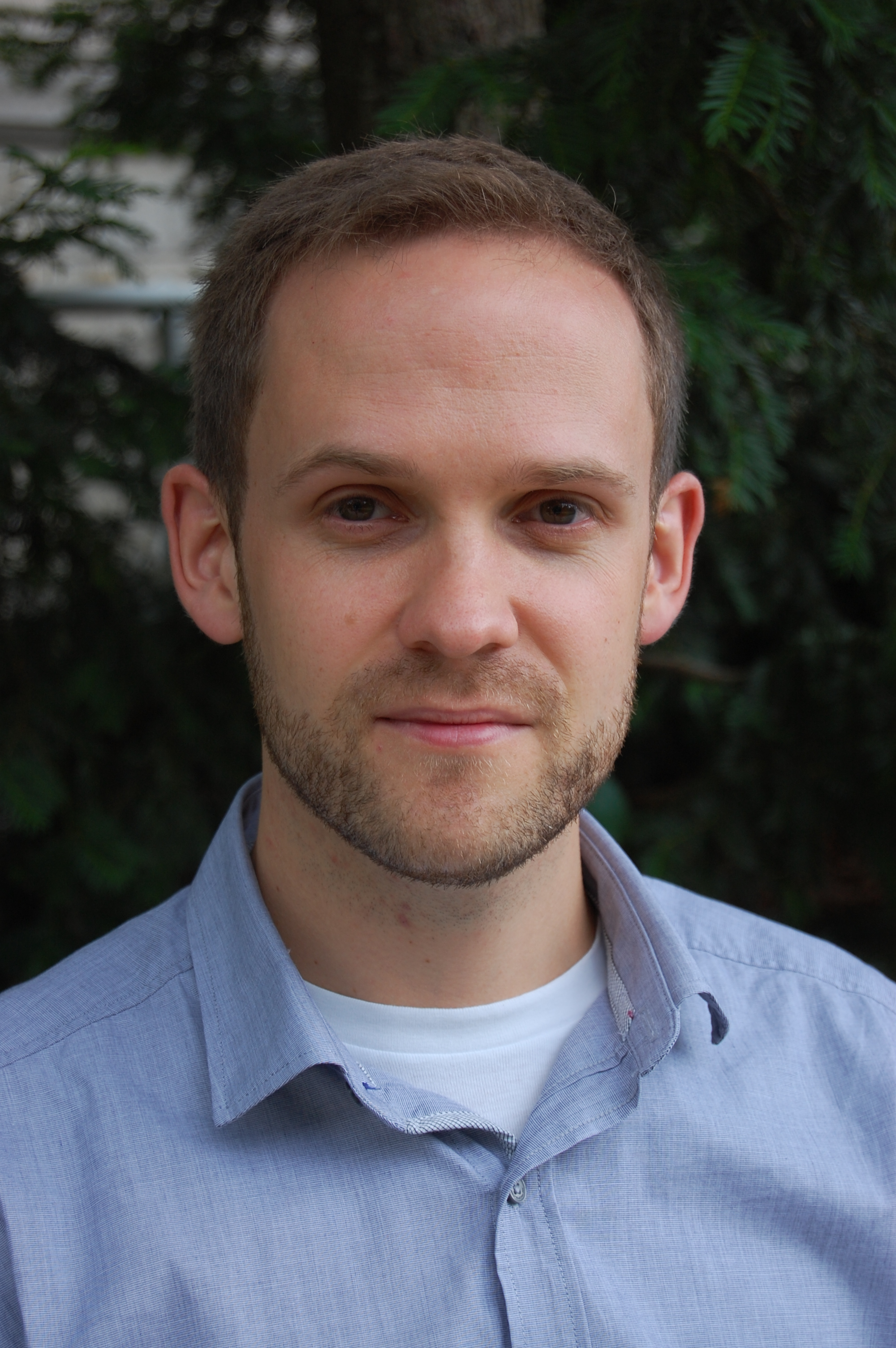
Professor Dominic Pjontek’s research program centres on developing, optimizing and scaling up multiphase reactors through experimental studies and process modelling. His group works to overcome the technological barriers delaying the next generation of reactors required to convert renewable and waste materials into sustainable chemical building blocks and energy carriers.
He received his PhD from the Department of Chemical and Biological Engineering at the University of Ottawa in 2014. Then, he joined the Department of Chemical and Biochemical Engineering at Western University, where he remained until returning to uOttawa in 2026.
His present research interests follow four directions. The first develops heterogeneous catalytic routes for CO₂ conversion and utilization in gas–liquid–solid reactors. The second addresses fluid coking, with industrial collaborations examining pathways to reduce greenhouse gas emissions from these operations and mitigating fouling in coker strippers, and earlier work on modelling cyclone fouling in the coker freeboard. The third advances the fundamental understanding of transport phenomena in multiphase systems, combining experimental measurement with modelling to establish predictions that hold across scales. The fourth designs and evaluates sustainable processes toward value-added products, supported by process modelling and techno-economic assessment of industrial viability.
Underpinning this work is a decade of collaboration with the petrochemical sector, including partnerships with Syncrude Canada, Origin Materials and InnuScience. This shapes his emphasis on reactor optimization and scale-up. His research bridges fundamental science and practical application, accelerating the shift toward low-carbon chemical manufacturing.