

ss

Message from the chief administrative officer

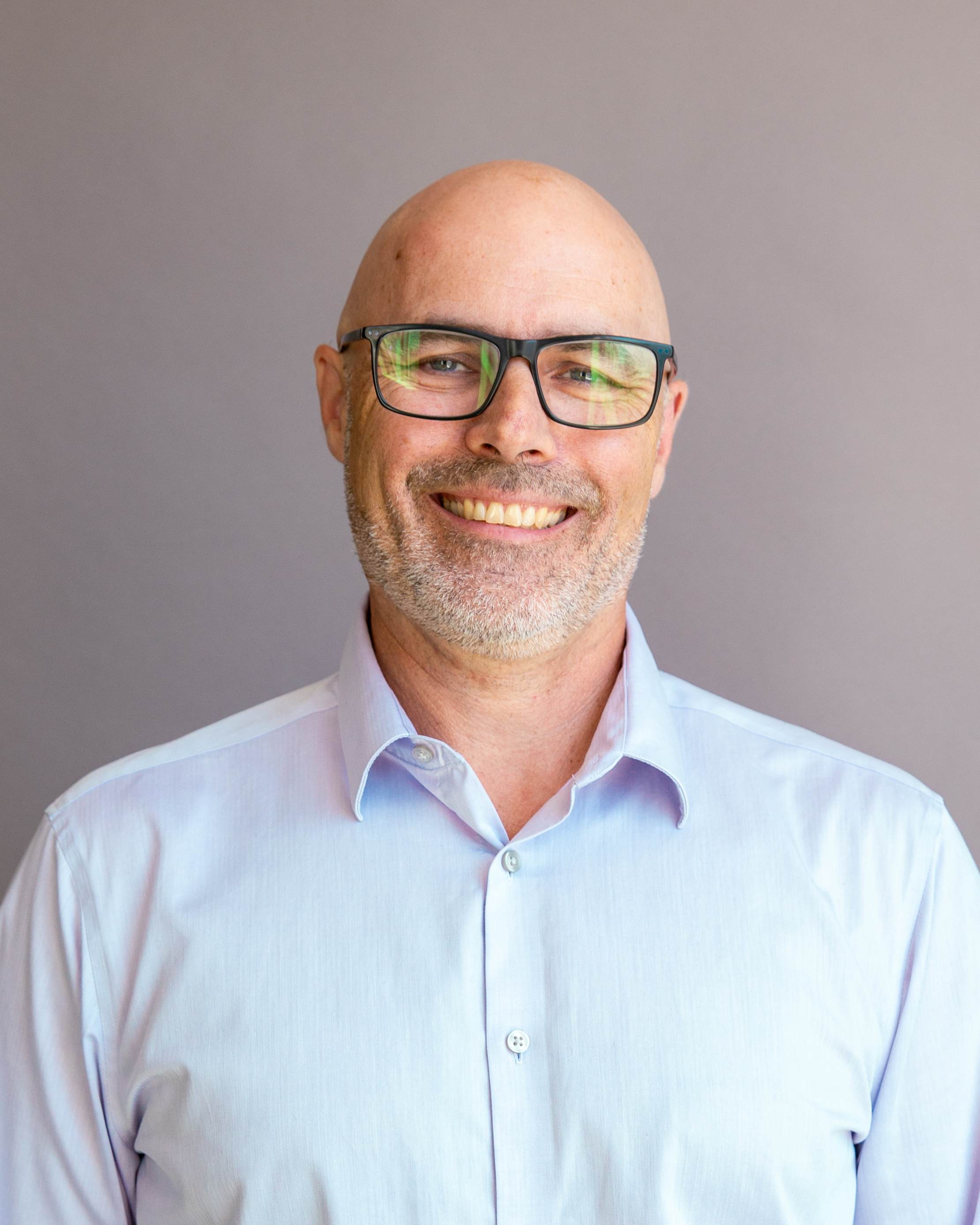
Paul Bélanger, chief administrative officer of the Faculty of Health Sciences

This past year was marked by meaningful progress across the Faculty, enhancing our operational capacity and raising our visibility within the University of Ottawa and beyond. Each portfolio helped advance our strategic priorities and improving the experience of our students, researchers, professors and staff.

In marketing and communications, we successfully launched several initiatives designed to showcase the excellence of our programs and research. We introduced a Breakfast with the Dean during Homecoming, reinforcing our commitment to our alumni. Additionally, the Day in Health Sciences made its debut this year, replacing Discovery Day and offering a sharper focus on our academic programs and student recruitment efforts.

In information technology, we established a strategic partnership with the Faculty of Education by hiring a joint IT manager. This collaboration is already generating efficiencies, shared expertise and improved service delivery for both faculties. 

On the infrastructure front, the relocation of ISHS from Thompson to Montpetit created a more centralized and functional environment for faculty, staff and students. We also proudly received LEED Platinum certification for 200 Lees, underscoring our commitment to sustainability.

Within the dean's office, we launched a new portal to streamline management of pre-clinical requirements across all programs, significantly improving administrative efficiency and student compliance. The Faculty also continued to optimize administrative processes by actively participating in the review of several Faculty- and University-wide processes, particularly those related to the APTPUO, CUPE 2626 and deferred exams. These efforts helped standardize practices across the Faculty and improve administrative efficiency.

Following Linda Fulton’s retirement, the Academic Office restructured its team. To respond more quickly to student requests, a new service model was implemented, along with a process to facilitate course scheduling.

Finally, our finance and human resources teams strengthened their support to the community through a renewed financial management structure and introduction of an HR newsletter and webinars tailored to researchers’ needs. 

Collectively, these achievements reflect a year of purposeful advancement, collaboration and strategic growth for the Faculty.