

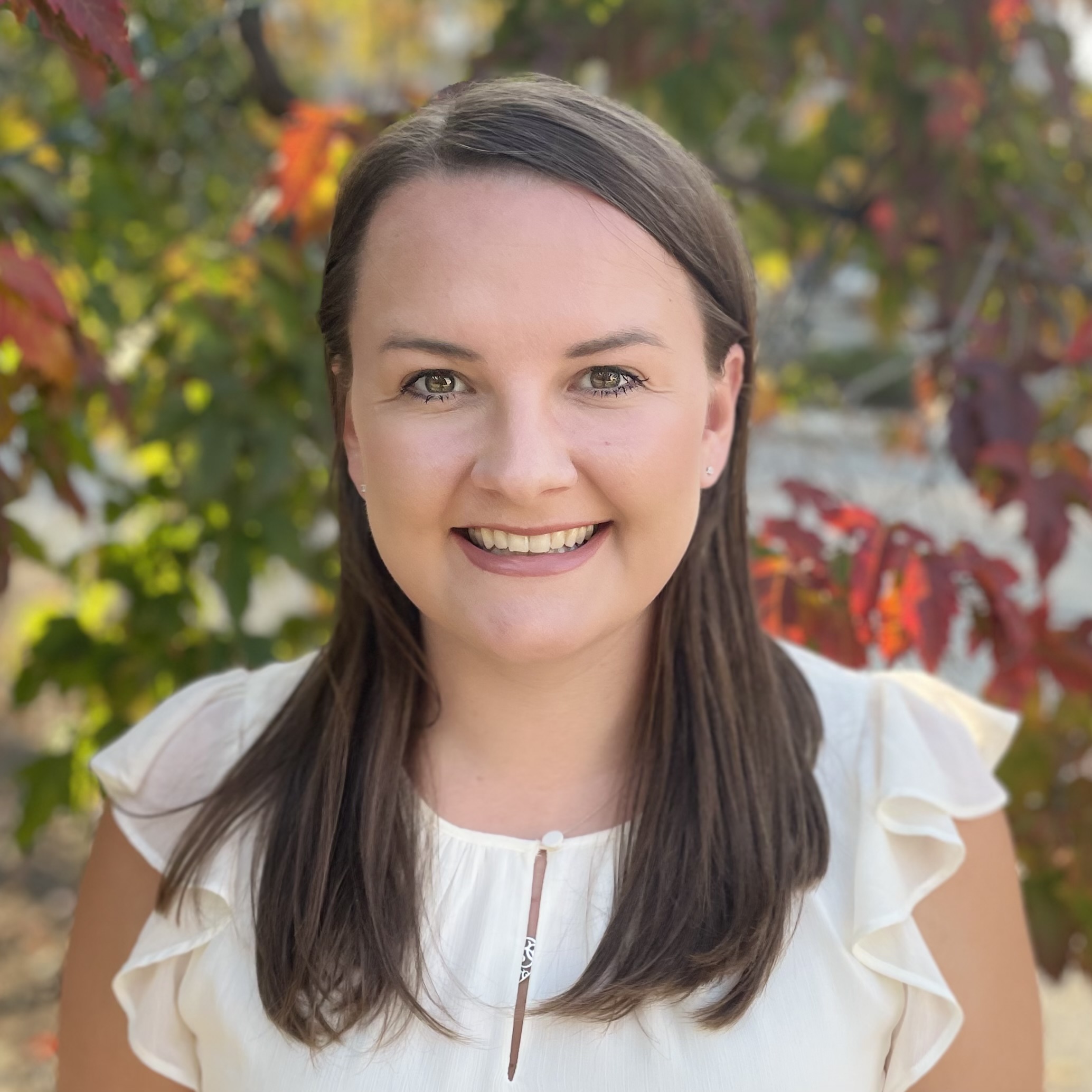
Dr. Kristin Eccles is an Assistant Professor in the Department of Biology at the University of Ottawa. Her research integrates exposure science, toxicology, and new approach methodologies (NAMs) to understand the health effects of complex environmental exposures. Her work focuses on chemical mixtures, high-throughput phenotypic profiling, toxicokinetics, and computational approaches to better characterize risks to human, wildlife, and ecosystem health.
- Eccles, K.M., Yee, S., Chan, H.M. (2026). Improving Mercury Exposure Estimates: A Meta-analysis of Methylmercury-to-Total Mercury Ratios in Canadian Traditional Foods. Journal of Exposure Science and Environmental Epidemiology. 1-16. https://doi.org/10.1038/s41370-026-00888-1
- Eccles, K.M., Gaston, K., Green, E.M., Waidyanatha, S., Stuffler, B., Harris, S.F., Rider, C.V., Meadlock Kakaley, E. (2026). Challenging Additivity: Comparing Predicted and Observed AhR Activity of Polycyclic Aromatic Compound (PAC) Mixtures Containing Active and Inactive Constituents. 60, 4, 2976–2987. Environmental Science & Technology. https://doi.org/10.1021/acs.est.5c11914
- Eccles K.M., Karmaus, A. L., Kleinstreuer, N. C., Parham, F., Rider, C. V., Wambaugh, J.F., Messier, K. P. (2023). A geospatial modeling approach to quantifying the risk of exposure to environmental chemical mixtures via a common molecular target. Science of The Total Environment, 855, 158905. https://doi.org/10.1016/j.scitotenv.2022.158905,*NIEHS 2022 paper of the year
- Cho, E., Baird, S., Eccles, K.M. (2025). Smaller Scale, Same Impact: Replicating High-Throughputh Phenotypic Profiling in a Medium- Throughput Lab for Use in Chemical Risk Assess-ment. 99, 4385–4397. Archives of Toxicology, 1-13. https://doi.org/10.1007/s00204-025-04165-2