

As the diagnosis and treatment of eye diseases, known as ophthalmic medicine, steadily grows in complexity, the demand for health care workers with specialized knowledge and skills in ophthalmic medical technology is growing as well. Ophthalmic medical technologists work with leading-edge equipment, including lasers and imaging systems, to provide quality patient care.

What will I learn during my studies?

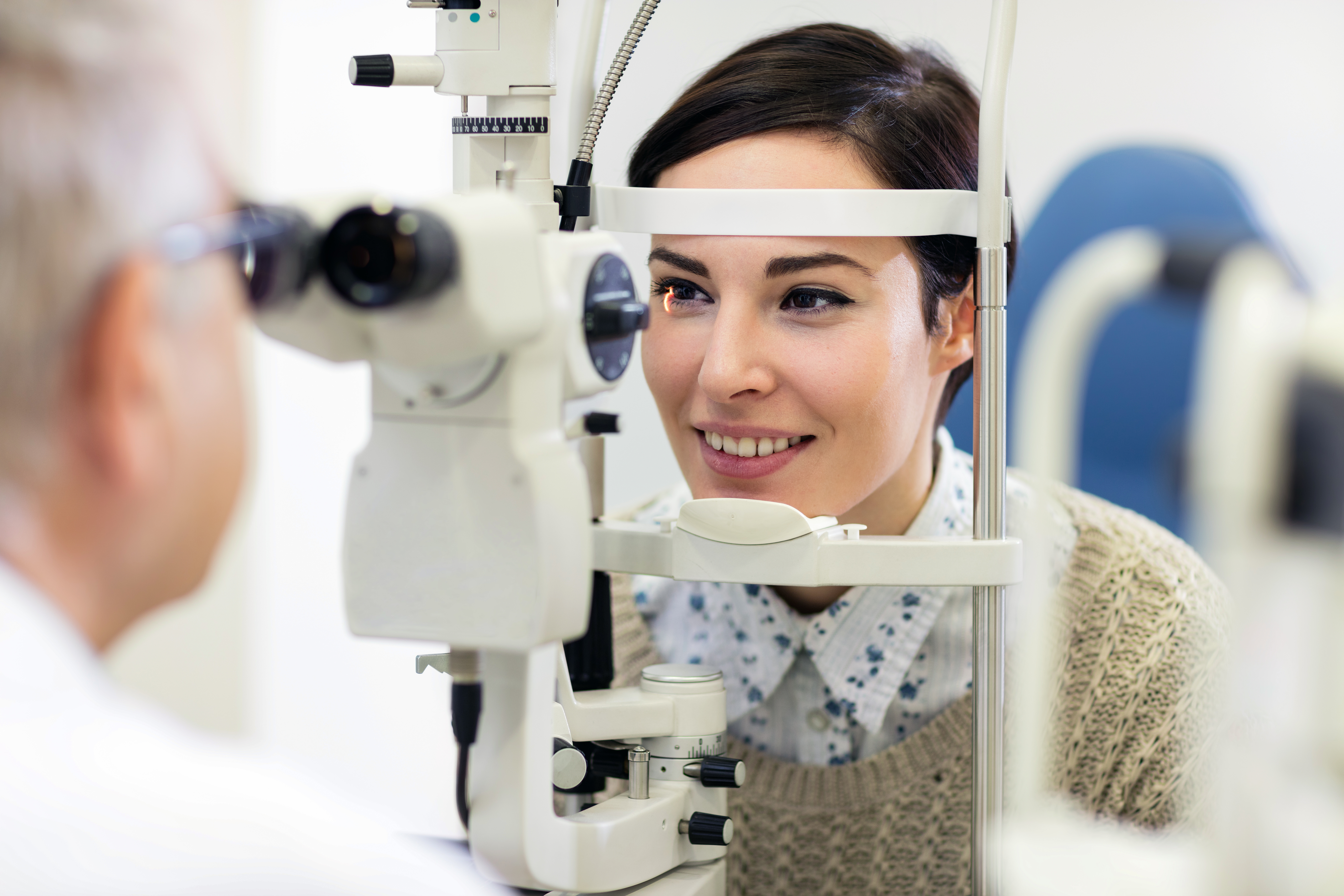
A patient is having their eyes tested
  • Patient care
  • Medical knowledge (General and Ocular Anatomy, Physiology, Visual Testing, Pharmacology)
  • Professionalism, interpersonal and communication skills
  • Technical and scientific skills
  • Community and health services

What can I do with my degree?

After successful completion of the program, students are eligible to sit for the certification exams given by the International Joint Commission on Allied Health Personnel in Ophthalmology. Graduates from the OMT program are sought after across the country and internationally.

Most graduates are working as Certified Ophthalmic Medical Technologists in hospitals or private clinics. Other graduates of the OMT program have careers as clinical research coordinators. Many graduates have gone on to do optometry, and several others have gone on to medical school.

  • Ophthalmic medical technologists require completion of a two-year hospital-based training program in ophthalmic medical technology, or a 4-year bachelor’s degree program in Ophthalmic Medical Technology and completion of 1500 clinical hours.
  • Certification by the Joint Commission on Allied Health Personnel in Ophthalmology may be required by employers.
books

Ready to explore what you'll learn throughout the program?

The course sequence offers a clear and detailed overview of your academic path, year by year, toward becoming an ophthalmic medical technologist.

Frequently asked questions

On the following page, you will find frequently asked questions regarding the Ophthalmic Medical Technology (OMT) program.