

BHI Knowledge Mobilization
Stronger together: Partnering with people for brain-heart research that matters

What you'll find here
Co-Production and Knowledge Mobilization
At the BHI, co-production and knowledge mobilization are built into the research to ensure it makes a real difference in people’s lives.
Co-production means doing research with the people who will use it. At the BHI, we partner with people early and often, including those from historically underserved or marginalized communities, to tackle real-world problems and produce answers that are useful to them. Some organizations refer to this approach as integrated knowledge translation.
Knowledge mobilization is about making sure the research is used. It involves sharing research findings in clear, practical ways and formats that reach the people who can use them, whether that's healthcare providers, policymakers, patients, or community organizations, to help inform decisions about practice, programs, and policy in ways that benefit all people and communities. Some organizations refer to this as knowledge translation.
Knowledge users are people and organizations who will use the research findings to make informed decisions, people who may benefit from or be affected by research findings. This includes Indigenous leaders and communities, patients and families, healthcare professionals, community-based organizations, health charities, health system leaders, policymakers, and private-sector organizations. The BHI is committed to engaging a diverse range of knowledge users and perspectives to make sure our research reflects and addresses the needs of all communities.
At BHI, we are committed to designing and doing research with the people, communities, and organizations who can use it and stand to benefit from it. By embedding co-production and knowledge mobilization into our work, we ensure that research findings are used in clinical care and help shape health system policies that improve brain-heart health for people in Canada.
Co-production and knowledge mobilization are embedded throughout the BHI to:
- Ensure the research addresses real-world priorities and problems identified by knowledge users,
- Increase the likelihood that research findings are used in practice, policy, and programs,
- Make research more relevant and useful by involving knowledge users throughout the research process,
- Build strong, lasting partnerships between researchers and knowledge users
- Maximize the potential for research to improve outcomes for people living with brain-heart conditions.
It can take up to 17 years for research findings to make their way into everyday clinical care. By building in co-production and knowledge mobilization from the start, we aim to shorten the time between discovery and real-world use. This commitment is reflected in our funding programs, where some projects must be co-lead with a knowledge user to ensure that research is designed with the people who will use it right from the beginning.
Support for Co-Production and Knowledge Mobilization
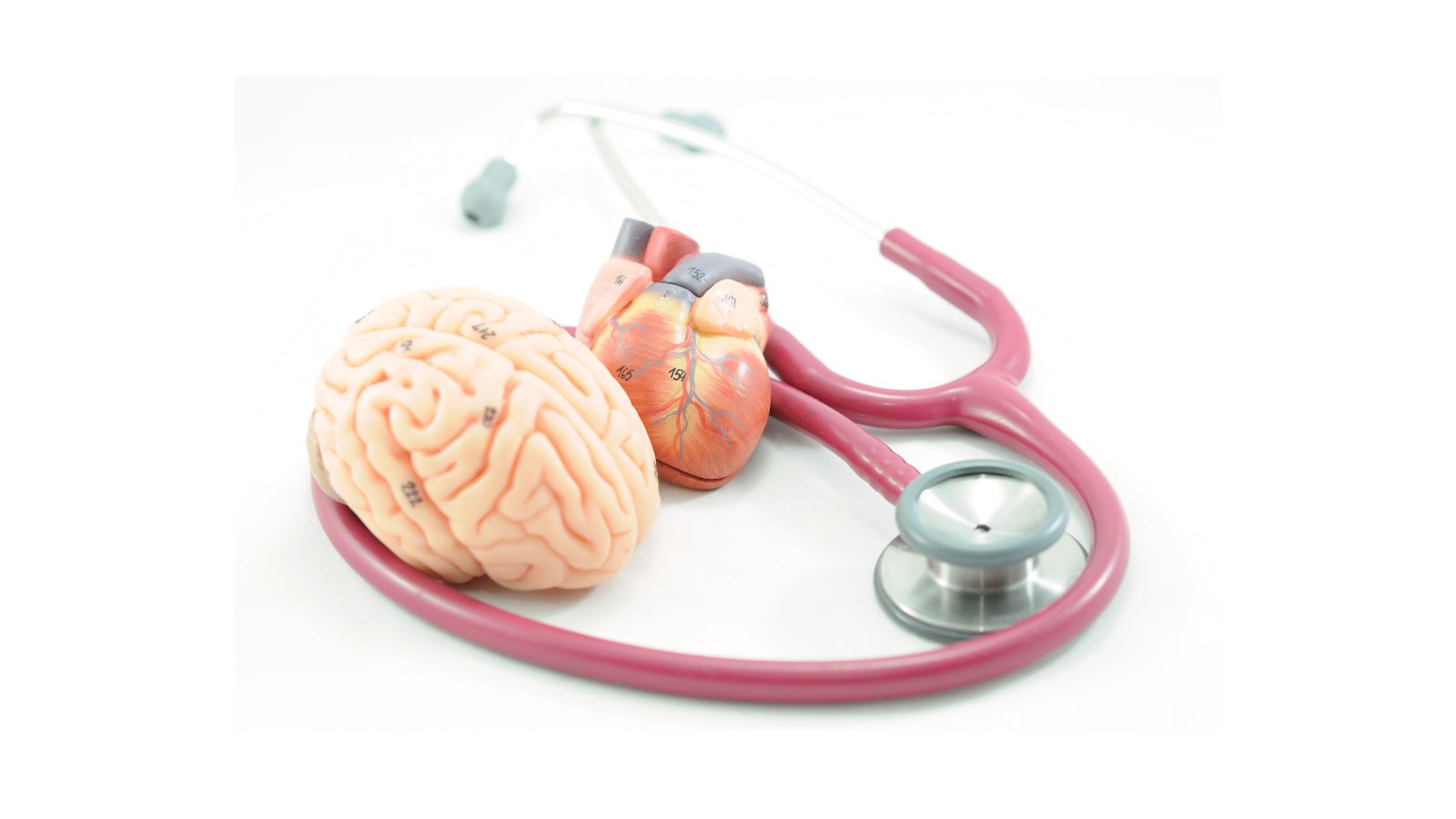
The Co-production and Knowledge Mobilization (Co-pro/KMb) cross-cutter supports BHI researchers and knowledge users to work well together. We provide guidance, useful tools and resources, and hands-on practical support to help embed co-production principles and KMb strategies into BHI research projects, events, and initiatives. For example:
- Knowledge mobilization planning,
- Resources for engaging knowledge users,
- Guidance on effective knowledge mobilization, and
- Support for creating end-of grant knowledge mobilization plans and products.
We’ve also created the BHI Casebook, which showcases examples of successful co-production and knowledge mobilization in action, amongst other BHI cross-cutters.
Get in touch
Whether you are applying for a funding program, seeking to engage knowledge users in your work, or looking to share your findings more effectively, or we’re here to help. Please reach out to the Co-pro/KMb team below at any time.
Michelle Nelson, PhD, [email protected]
Resources
- uOttawa Knowledge Mobilization offers resources and support for knowledge mobilization
- Research Impact Canada provides tools and resources to maximize research impact
- Co-production with Knowledge Users (webinar) provides an overview of how to establish partnerships and maintain engagement with knowledge users throughout the research process
- CIHR Guide to Knowledge Translation Planning at CIHR provides guidance to planning co-production approaches and end-of-grant knowledge mobilization
Stories and News
To read more about the work happening at the BHI, visit our news page where we regularly share research impact stories and highlight the research teams and trainees who make this possible.
We’ve also created the Catalyzing Research Excellence and Impact: The Brain-Heart Interconnectome Cross-Cutter Implementation Casebook, which showcases examples of successful co-production and knowledge mobilization in action, amongst other BHI cross-cutters.
Governance
The Co-pro/KMb Cross-cutter is closely related to and works with the Patient Engagement Cross-cutter. Patient engagement refers to the inclusion of patients (including family members and caregivers) as knowledge users to co-produce research alongside researchers. Patient partners are engaged throughout the BHI including in research projects, governance committees, operations, events, and more.
The Patient Engagement and Knowledge Mobilization Advisory Committee guides the work of these two Cross-cutters. The Committee membership is diverse and reflects many perspectives, including patient partners, trainees, PE and KMb professionals, government, and more. The committee advises on planning, executing, and implementing the Patient Engagement and Knowledge Mobilization Action Plan. The Action Plan includes activities and anticipated outcomes and outputs for these Cross-cutters. This plan is updated and reported on annually. Click here to view the Action Plan.
Contact us!
Stay Connected with BHI
Follow us on social media for the latest updates on brain-heart research, and upcoming events, and spotlights on knowledge mobilization in action. Click here for the latest updates.