

New and renewed Research Chairs officially announced between May 1 2025 and April 30 2026 are featured in this report.

Spotlight on Research Chairs
The Faculty of Health Sciences recognizes the outstanding achievements of its Research Chairs, whose work exemplifies sustained excellence and leadership. This section highlights faculty members who have received a Research Chair or renewed the mandate of their Chair, acknowledging their continued dedication to research excellence. It also reflects on the accomplishments of Research Chairs who have recently completed their terms.
New Chairs
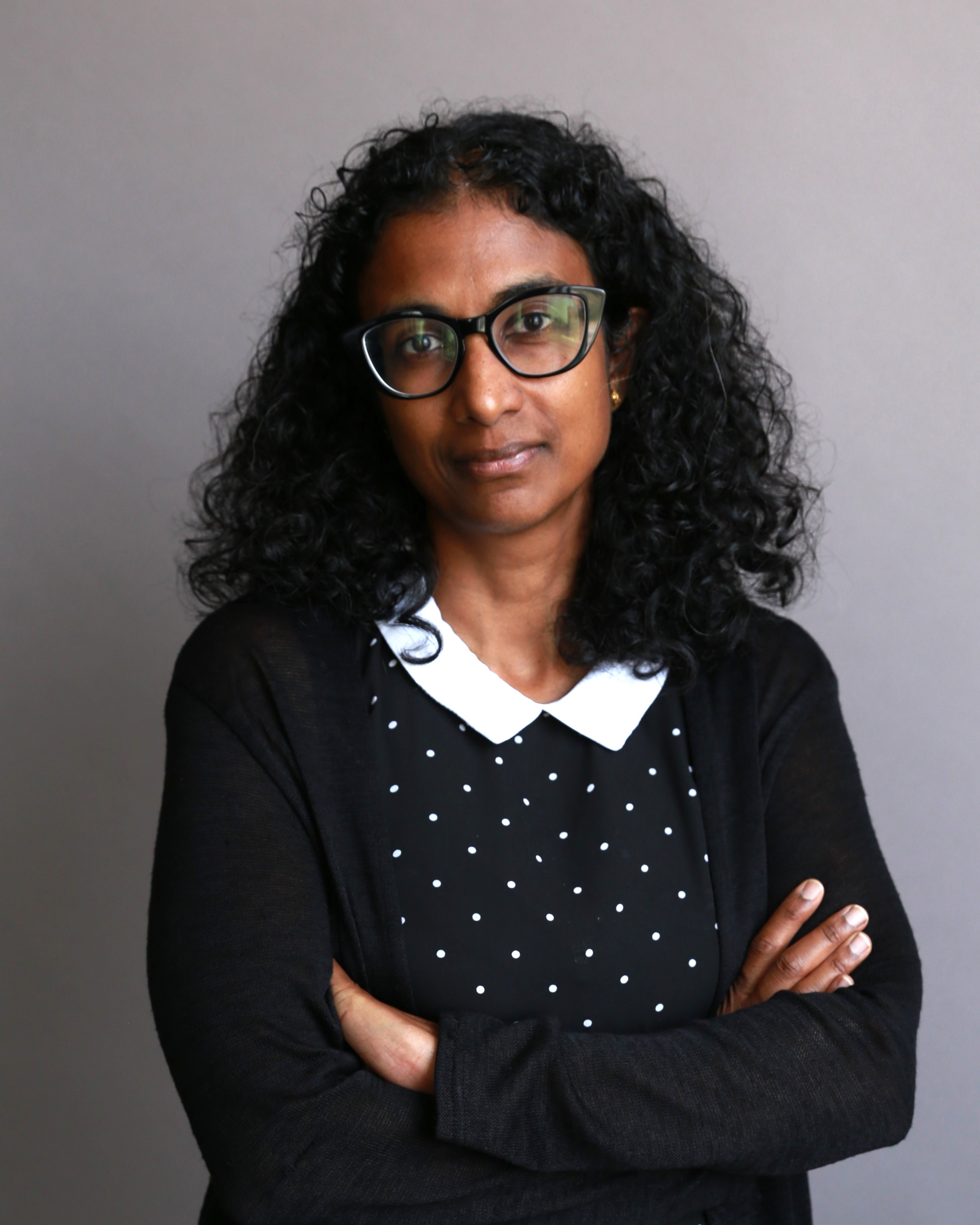
Sathya Karunananthan
Ottawa Academic Health Network University Research Chair in Language as a Social Determinant of Health
Language is a major determinant of health that, unlike other factors such as age, gender, or income, is often overlooked in health studies. By focusing on various linguistic communities living in minority contexts across Canada (Francophones outside Quebec, Anglophones in Quebec, and Allophones), the program of Professor Karunananthan (Interdisciplinary School of Health Sciences) analyzes population-level data, collects real-life experiences, and evaluates the impact of digital health solutions. The results will be used to develop policies aimed at improving access to health care for linguistic minorities across the country.
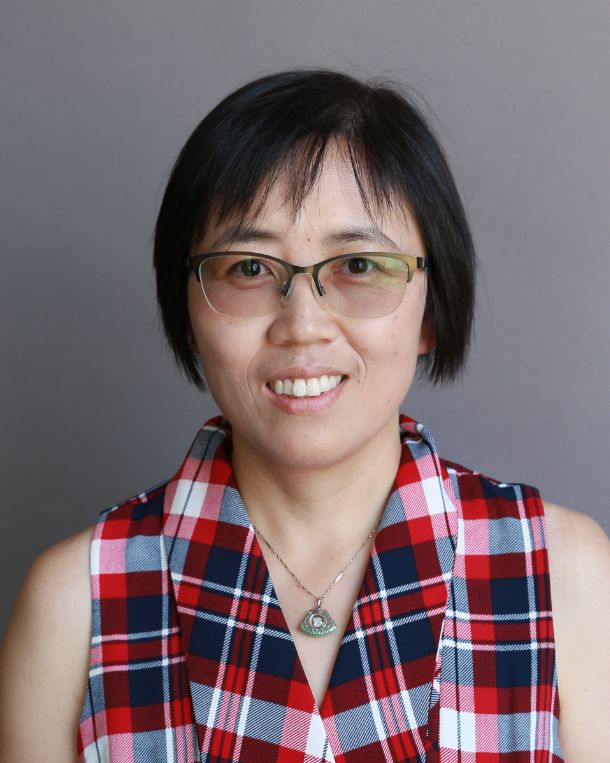
Xiangfei Meng
Tier 2 Canada Research Chair in Population Health Data Science
Professor Meng’s (Interdisciplinary School of Health Sciences) research advances population health by leveraging risk prediction and characterization algorithms and exploring underlying mechanisms of key biological, psychological, and social attributes in mental disorders and their related multimorbidity. Her research leverages smart technologies, cutting-edge digital phenotyping approaches, and established databases from various sources. She strategically applies innovative data science approaches to produce risk prediction and characterization algorithms and specifies the potential pathways for disease occurrences and prognosis. These verified risk prediction and characterization algorithms and evidence-based knowledge on multimorbidity intervention will then be crafted into an online knowledge resource for vulnerable and disadvantaged populations.
Renewed Chairs
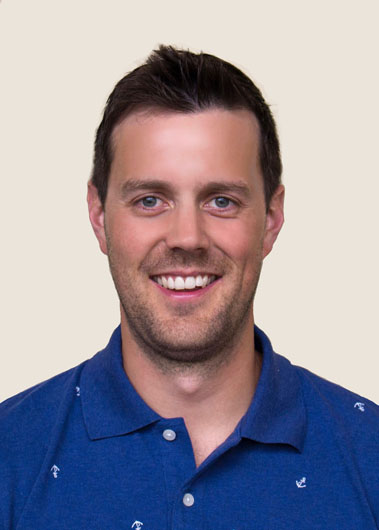
Ryan Graham
University Research Chair in Biomechanics and Data Science for Human Health and Performance
Professor Graham (School of Human Kinetics) has been granted a second five-year term for his university research chair. His research focuses on three overarching themes: 1) spine biomechanics and low back pain, 2) movement quality assessment and scoring, and 3) military health and performance, The aims are to: 1) improve the fundamental understanding of musculoskeletal injury mechanisms and the ability to model and predict them, 2) create smarter objective data-driven decision making and assessment tools and technologies for use by end-users, and 3) generate opportunities for trainees to be actively involved in product commercialization and spin-off company development. His research directly complements the University of Ottawa’s Transformation 2030 Strategic Plan and directly aligns with the mission of the University of Ottawa AI Research Initiative to develop responsible AI.
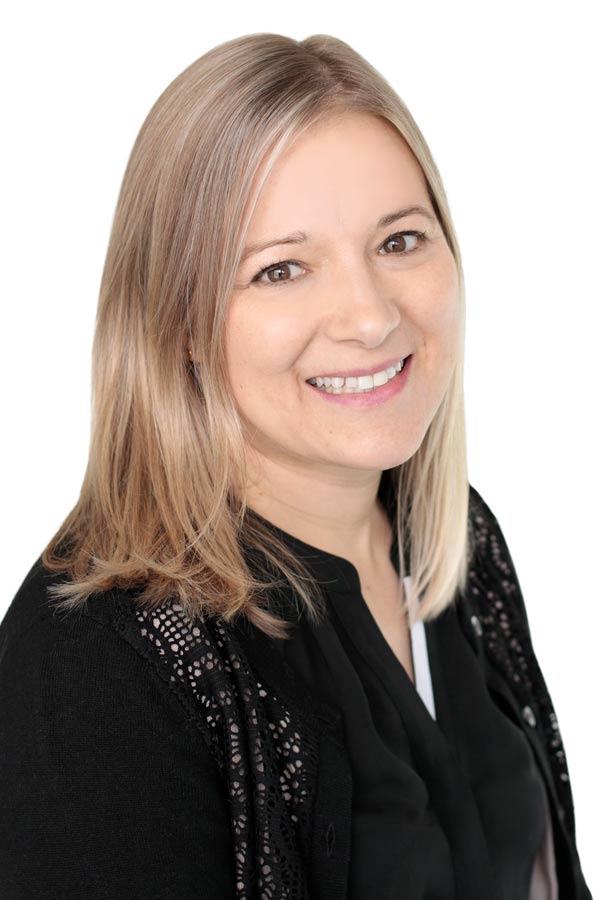
Annie Robitaille
Commissionaires Research Chair in Frailty-Informed Care at Perley Health
As an Associate Professor in the Interdisciplinary School of Health Sciences at the University of Ottawa, Professor Robitaille’s research focuses on better understanding the biopsychosocial factors related to the aging process and aims to improve the quality of life and reduce social isolation for older adults living with frailty, and their care partners across the continuum of care. This focus aligns seamlessly with the Chair's mandate, where the research is fundamentally driven by collaboration and community impact. A cornerstone of this role is the privilege of working in true partnership with older adults, residents, Veterans, health care staff, and family caregivers. This collaborative approach ensures the research directly addresses the real-world priorities of aging populations and those who support them. Furthermore, the Chair serves as a vital hub for students and trainees. By immersing them in applied health research within a dynamic clinical and long-term care setting, they gain exceptional opportunities for professional networking, direct engagement in knowledge translation activities, and the chance to see the tangible impact of their work. Looking ahead, Professor Robitaille is excited to continue advancing initiatives that foster meaningful social connections and improve the quality of life for older adults and their caregivers.
Outgoing Chairs
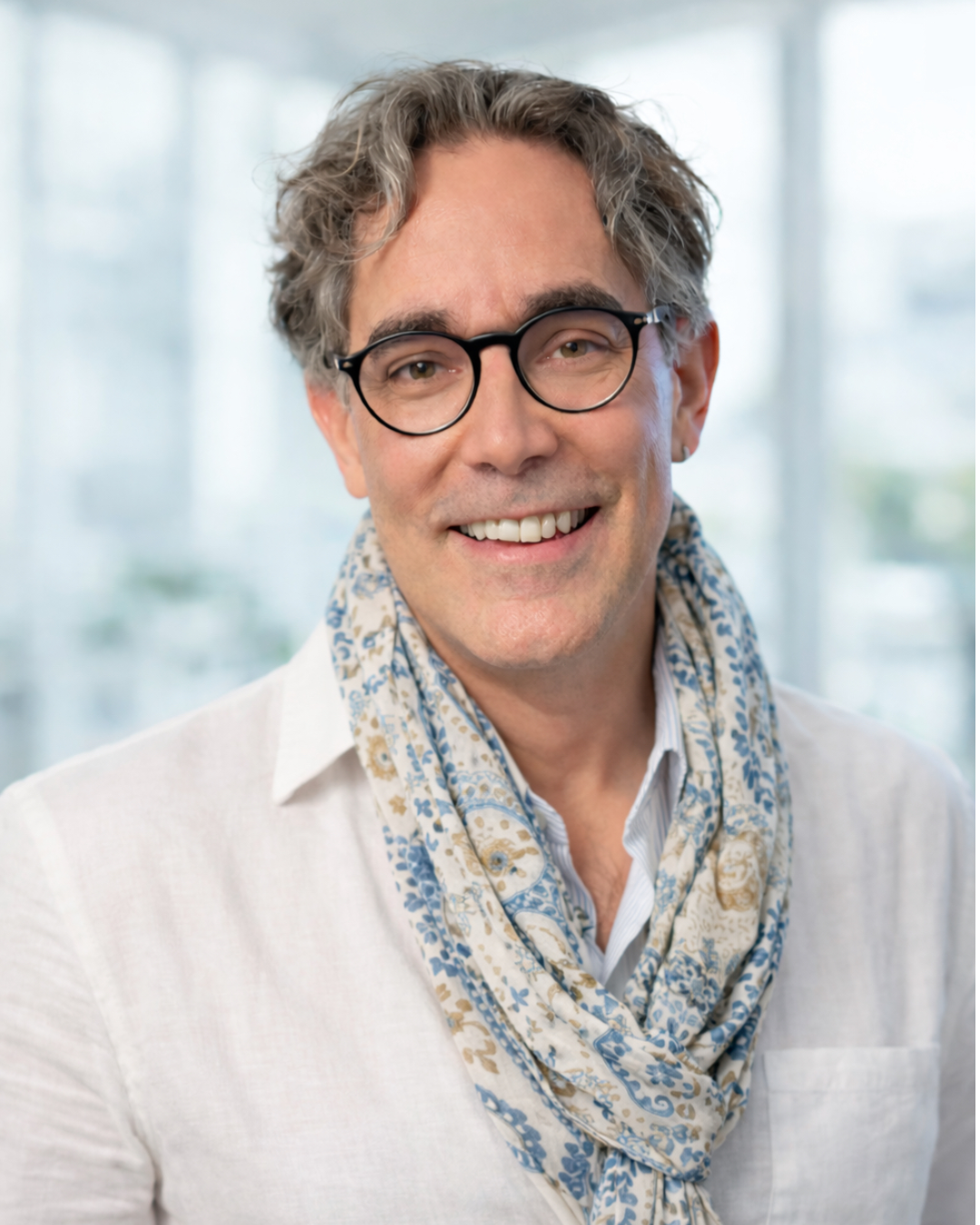
Yan Burelle
University Research Chair in Integrative Mitochondrial Biology (July 2016 - June 2026)
Professor Yan Burelle (Interdisciplinary School of Health Sciences) notes that his appointment as a University Research Chair has played a key role in the progress of his research. This Chair allowed him to recruit and train a critical mass of trainees and highly qualified personnel, and to build a robust scientific infrastructure to study mitochondrial biology and muscular physiology. The title of Chair also increased his scientific outreach by facilitating collaborations, invitations to speak at scientific conferences and events, and strategic partnerships.
His research program has garnered several million dollars in competitive funding, including five CIHR grants as principal investigator, an NSERC grant, several agreements with private partners, funding from AFM-Téléthon – which testifies to his enduring partnership with the French community – and support from Muscular Dystrophy Canada. This variety of sources reflects the translational scope of his research, which sits at the intersection of fundamental mitochondrial biology and rare muscular diseases.
The Chair has also facilitated productive partnerships within the Faculty of Health Sciences and the Faculty of Medicine (Drs. Menzies, Khacho, Blais, Harper, Pellegrini, Hébert, Kennedy, Burger), and with international collaborators, notably the Institut NeuroMyogène in Lyon, France (Dr. Mounier), and the University of Padua, Italy (Dr. Romanello). Even though his term as Chair will close at the end of June 2026, the scientific, personal and collaborative foundations that Professor Burelle helped build are still relevant to the University and will serve as a durable legacy of his research.
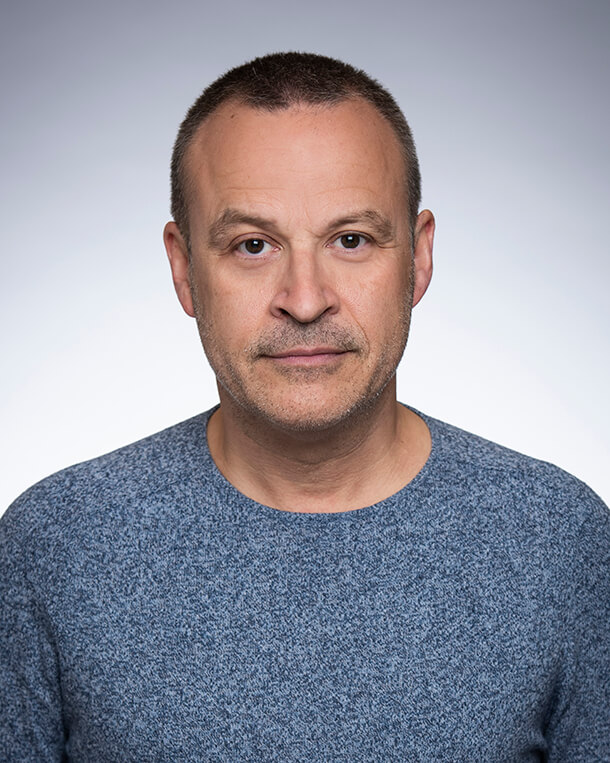
Dave Holmes
University Research Chair in Forensic Nursing (July 2009 – June 2025)
Professor Holmes (School of Nursing) established a program supporting and disseminating research focusing on nursing care provided where health care and criminal justice intersect. Research results serve to inform health professionals, researchers, educators, students, and decision-makers regarding health care issues relevant to offenders and victims of criminal acts. Furthermore, the Chair provided training for graduate students and ensured their integration within national and international research networks.
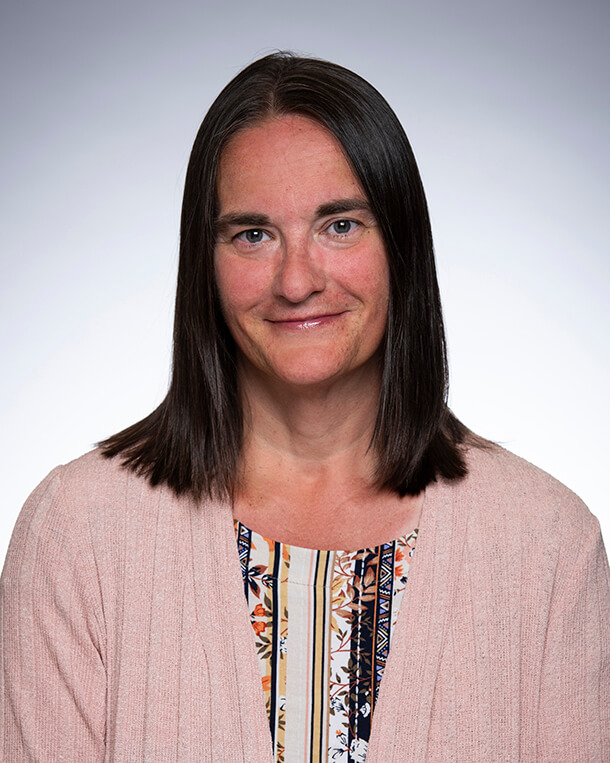
Janet Squires
University Research Chair in Health Evidence Implementation (July 2015 - June 2025)
During her term as Chair, Professor Squires (School of Nursing) achieved international recognition for her research on the definition, measurement, role and impact of context in knowledge mobilization in healthcare. She led an international team in the development of the Implementation in CONtext (ICON) framework, the only meta-framework dedicated exclusively to context in knowledge mobilization. ICON is the most comprehensive framework currently available, relevant across high- and low-and middle-income countries, and usable by knowledge mobilization practitioners and researchers in any healthcare setting. She also established the only Canadian Compendium of Inappropriate Health Care, which spans all Canadian provinces and territories and includes 228 unique clinical practices that are either overused or underused. The compendium revealed that on average 30% of the healthcare received by people in Canada is inappropriate. Organized by province and territory, the compendium allows quality improvement and research teams to tailor action plans for better knowledge mobilization and patient outcomes. Professor Squires also used the Chair funding to support numerous graduate students to build their competencies in nursing research and knowledge mobilization science and practice.

Marie-Claude Thifault
Canadian Francophonie Research Chair in Health (July 2011 – June 2026)
Professor Thifault (School of Nursing) is a nurse, historian and screenwriter. As director of the Nursing History Research Unit and an expert on psychiatric institutions in Quebec and Canada, she has conducted research on the history of patients and their families, psychiatric nurses and religious communities. Her sensibility-informed approach to archives and medical records allowed her to significantly enrich Francophone historiography with a history of sensibility within the vast field of health care.
The history of sensibility and culture proved to be a particularly useful concept when writing on asylum confinement in Quebec (Thifault, 2003), deinstitutionalization in Quebec, in Ontario and in Acadie (Klein and Thifault, 2025; Thifault and Dorvil, 2014), the end of asylums in the Francophone world (Klein, Guillemain and Thifault, 2018), the individual life stories of Francophones in Ontario (Thifault and LeBel, 2021) and psychiatric nursing in Canada, Europe and Africa (Klein and Thifault, 2025).
The financial support provided by this Chair allowed professor Thifault to introduce dozens of students to research and to design innovative tools, such as a web documentary, in order to reflect on both the fundamentals of the nursing profession (Les infirmières de la folie) and on serious mental health disorders, which she presented as a collection of scenarios (La vie - C'est comme une bicyclette, il faut avancer pour ne pas perdre l'équilibre).