

The University of Ottawa’s Department of Emergency Medicine is recognized internationally for research, education, and clinical excellence. From pioneering decision tools to training global leaders, our mission is to advance emergency medicine through innovation and compassion.

The Clinical Emergency Medicine Fellowship is a world-class postgraduate training program in one of Canada’s busiest academic emergency departments.
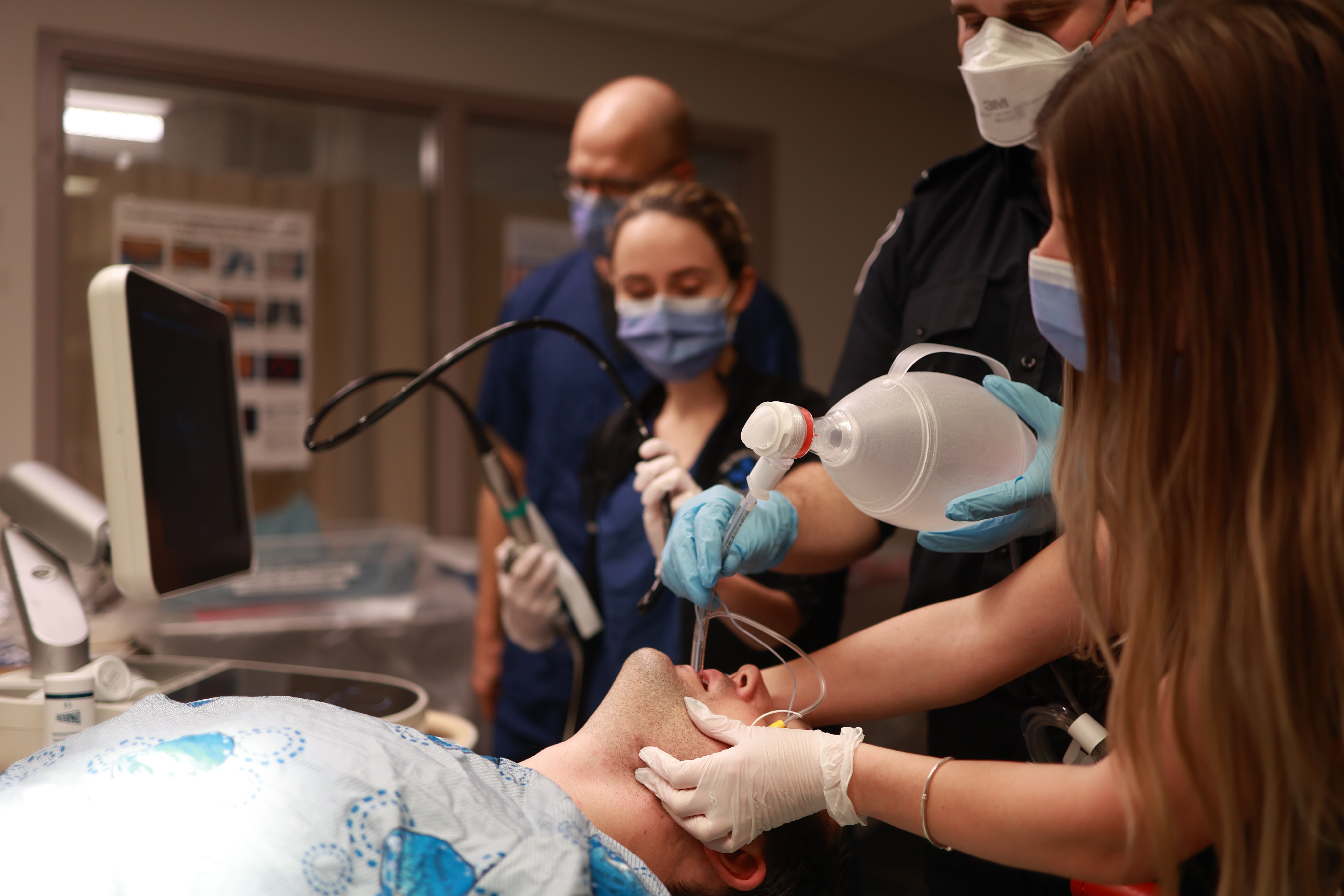
Patient being intubated by staff

Program Overview

The University of Ottawa Clinical Emergency Medicine Fellowship is a one-year postgraduate training program designed for international emergency physicians seeking advanced clinical and academic experience in a leading Canadian tertiary care centre.

Hosted by The Ottawa Hospital, which manages over 160,000 emergency visits annually, the fellowship provides exposure to the full spectrum of emergency medicine—from trauma and cardiac arrest to pediatric and obstetric emergencies—within a high-acuity, teaching-focused environment.

Fellows function as integral members of the emergency department team, gaining valuable insight into Canadian emergency care and developing the skills, judgment, and leadership required for success in independent or subspecialty practice.

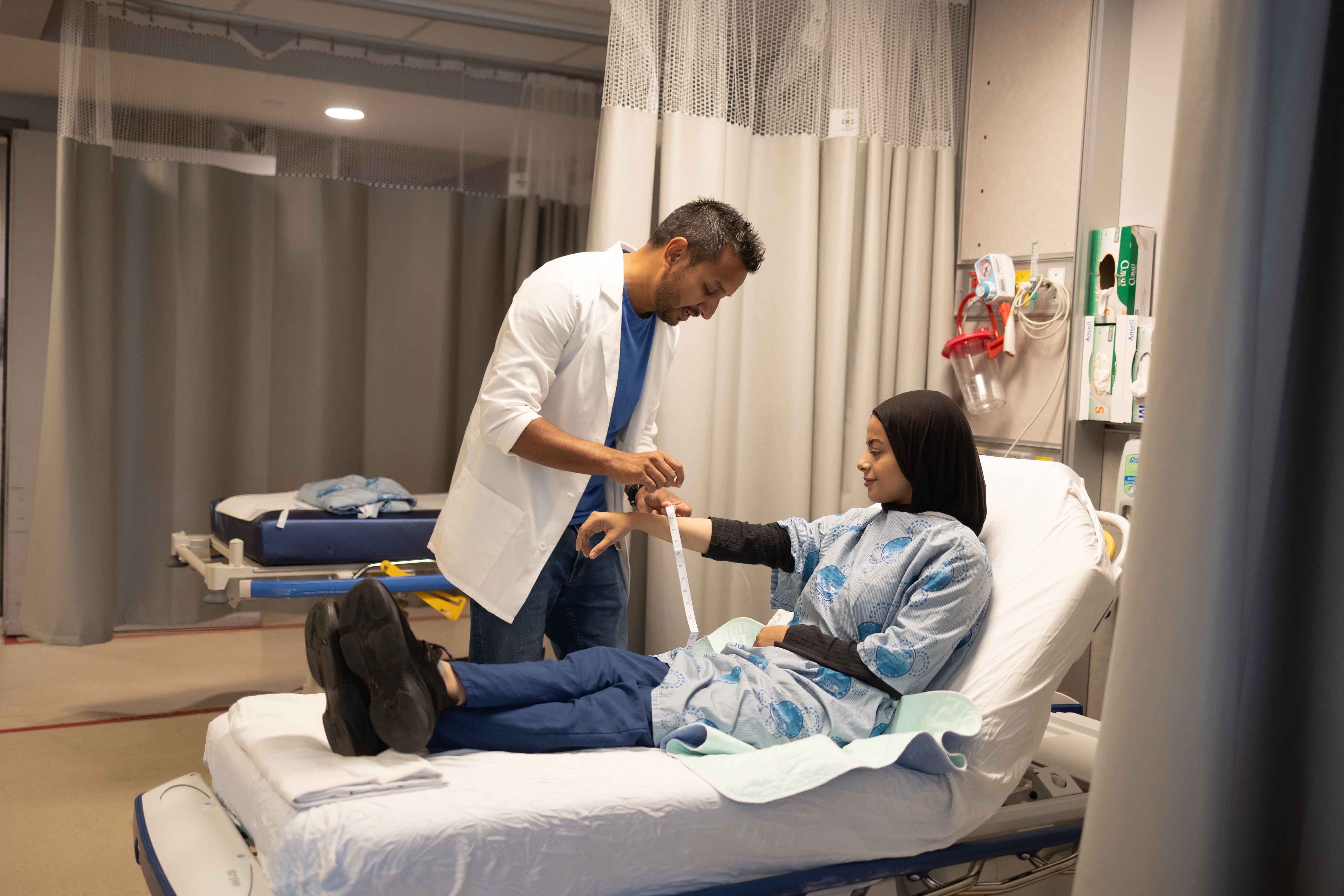
Clinical - patient being treated by doctor

Clinical Experience

  • Fellows work under direct faculty supervision at the Civic and General campuses of The Ottawa Hospital.
  • Rotations emphasize high-acuity emergency care, procedural expertise, and interprofessional teamwork.
  • Fellows can tailor their learning with elective rotations in:
    • Prehospital & Transport Medicine (EMS)
    • Point-of-Care Ultrasound (POCUS)
    • Pain Medicine
    • Pediatric Emergency Medicine
    • Simulation
    • Intensive Care or Trauma electives
AD - Resident learning

Academic Development

  • Participation in Academic Day every Thursday, featuring:
    • Grand Rounds
    • Morbidity & Mortality Rounds
    • Core Lectures
    • Simulation and Fellow Conferences
  • Opportunities to teach medical students and residents.
  • Optional scholarly activities such as research, quality improvement, or curriculum development under faculty mentorship.
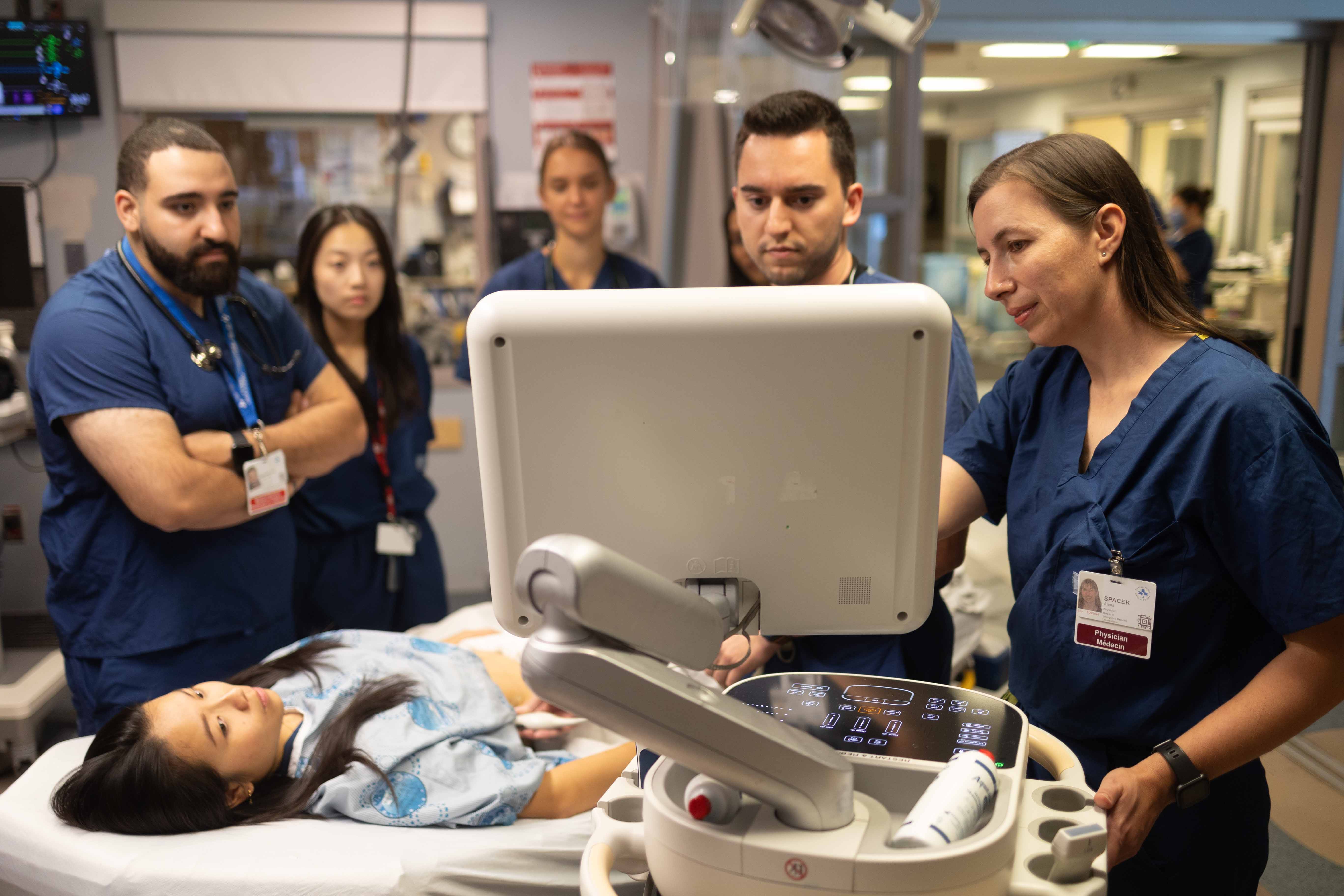
Mentorship - staff teaching residents at screen

Mentorship & Professional Growth

  • Each fellow is paired with a dedicated faculty mentor for personalized academic and career guidance.
  • The program emphasizes leadership, resilience, and reflective practice, supporting long-term success in emergency medicine.

Program Opportunities

Workload & Scheduling

  • Fellows typically work 12–14 clinical shifts per month (6–8 hours each).
  • Shifts include day, evening, and overnight coverage.
  • Scheduling is equitable, transparent, and wellness-focused, maintaining compliance with PARO duty-hour protections.

Licensing & PEAP Requirement

  • Fellows receive an educational license through the College of Physicians and Surgeons of Ontario (CPSO).
  • A Pre-Entry Assessment Program (PEAP) is completed at the start of the fellowship.
  • Successful completion of the PEAP is mandatory to continue in the program.

Vacation & Leave

  • Fellows receive four weeks (one month) of paid annual leave.
  • The program works collaboratively to accommodate international travel and personal scheduling needs where possible.

Pathway to Subspecialization

Graduates often progress into one of the University of Ottawa’s renowned subspecialty fellowships:

  • Prehospital & Transport Medicine (PTM)
  • Emergency Ultrasound
  • Medical Education
  • Simulation
  • Resuscitation

Eligibility & Application Requirements

Applicants must:

- Have completed a recognized Emergency Medicine residency program.
- Demonstrate proficiency in English (spoken and written).
- Possess full sponsorship from their home institution, covering salary and tuition.
- Be eligible for CPSO educational licensure in Ontario.

Program Duration: July 1 – June 30 (one academic year)

Application Timeline: Rolling admission
Selection Criteria: Academic and clinical excellence, references, and demonstrated commitment to emergency medicine.

Required Documents:
1. Curriculum Vitae
2. Letter of Intent
3. Three Letters of Reference
4. Proof of Sponsorship
5. Residency Certification / Medical Degree

Applicants are advised to apply at least 8–10 months before their intended start date to allow for CPSO licensing and credentialing.

Meet Our Team

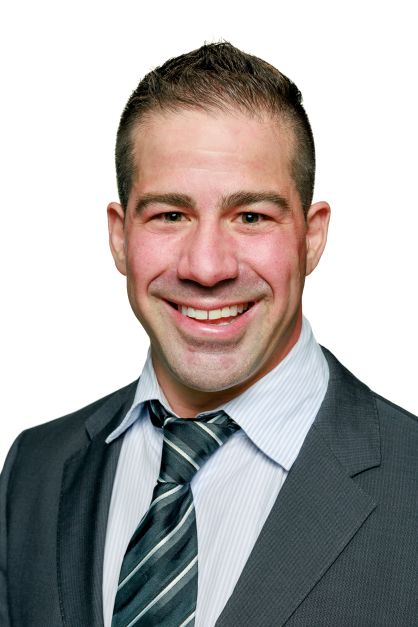
Mike Rubin

Fellowship Director

Mike Rubin, MD FACEP FAAEM ([email protected])

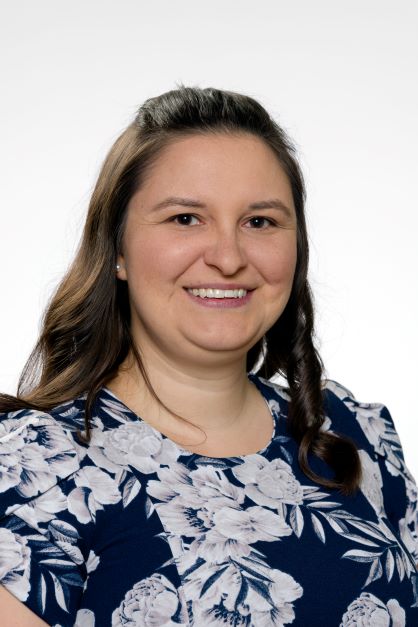
Kennedy Beuman

Program Coordinator

Kennedy Beuman ([email protected])