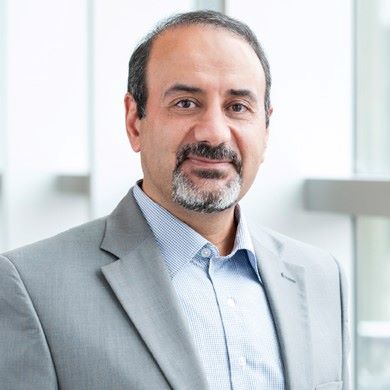
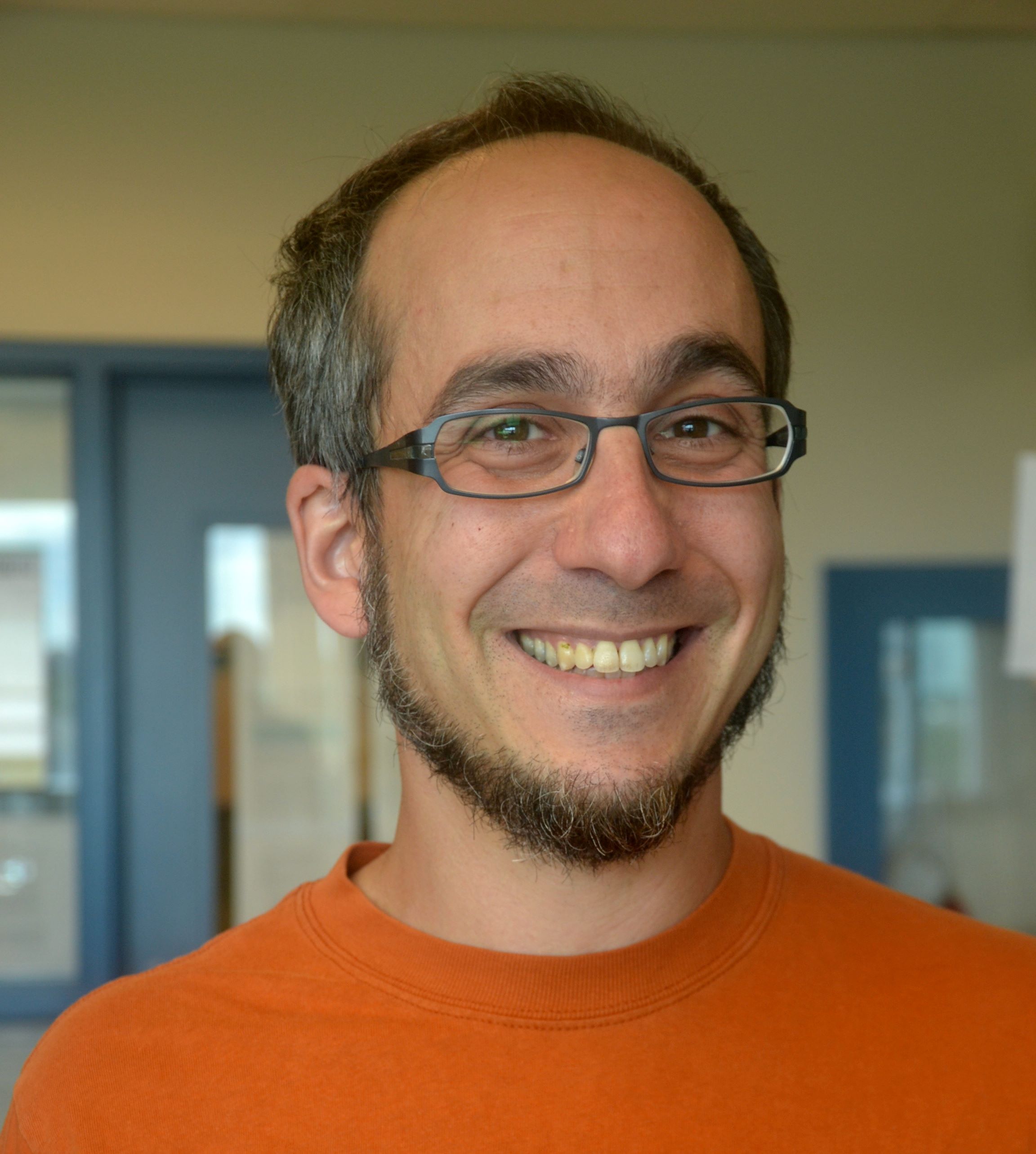
The University of Ottawa established the annual Excellence in Education Prizes to recognize educators of exceptional quality, driven by their passion to advance and share knowledge. These leaders in university education are outstanding in the classroom, in the laboratory and in the field and have been recognized by students and peers alike.

Deadline: March 13, 2026

Selection criteria

Candidates must distinguish themselves in two specific areas, namely:

  • Outstanding teaching, as demonstrated through:
    • Excellent course evaluations by students;
    • Endorsement letters from students;
    • Development of innovative content and incentives that engage students in learning processes;
    • Involvement in the development of new courses, labs, or curriculum;
    • Creativity and impact in pedagogy and/or applications in the development of courses (i.e. online and blended courses);
    • Variety in their offer of courses, small and large groups, undergraduate and graduate.
  • A solid research program, as demonstrated through:
    • Research grants;
    • Awards for research;
    • Publications;
    • Significant contribution to a particular field of research;
    • National and international recognition.

This prize is limited to regular professors. Each recipient will receive a $10,000 grant towards research on innovative teaching practices.

Recipients

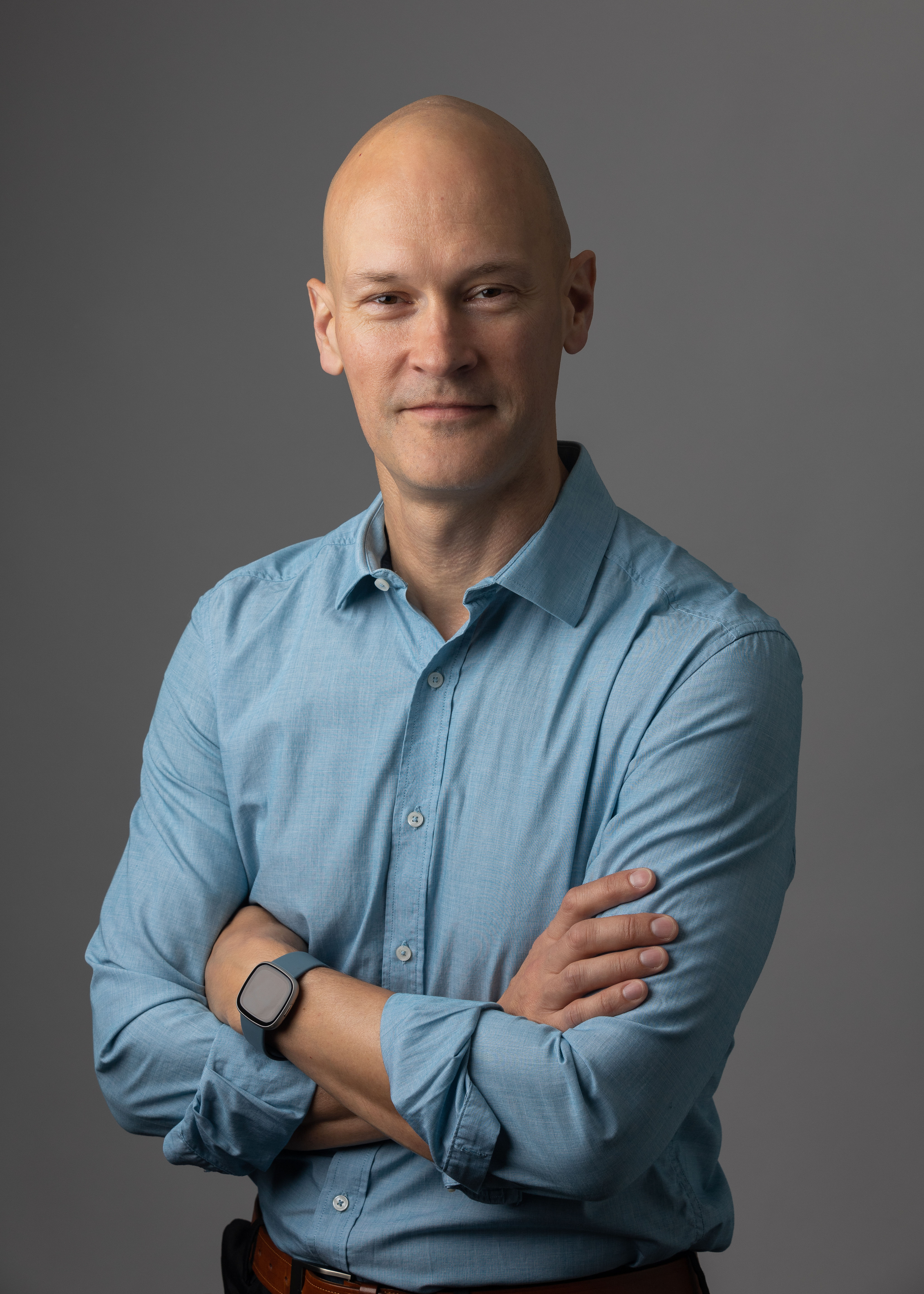
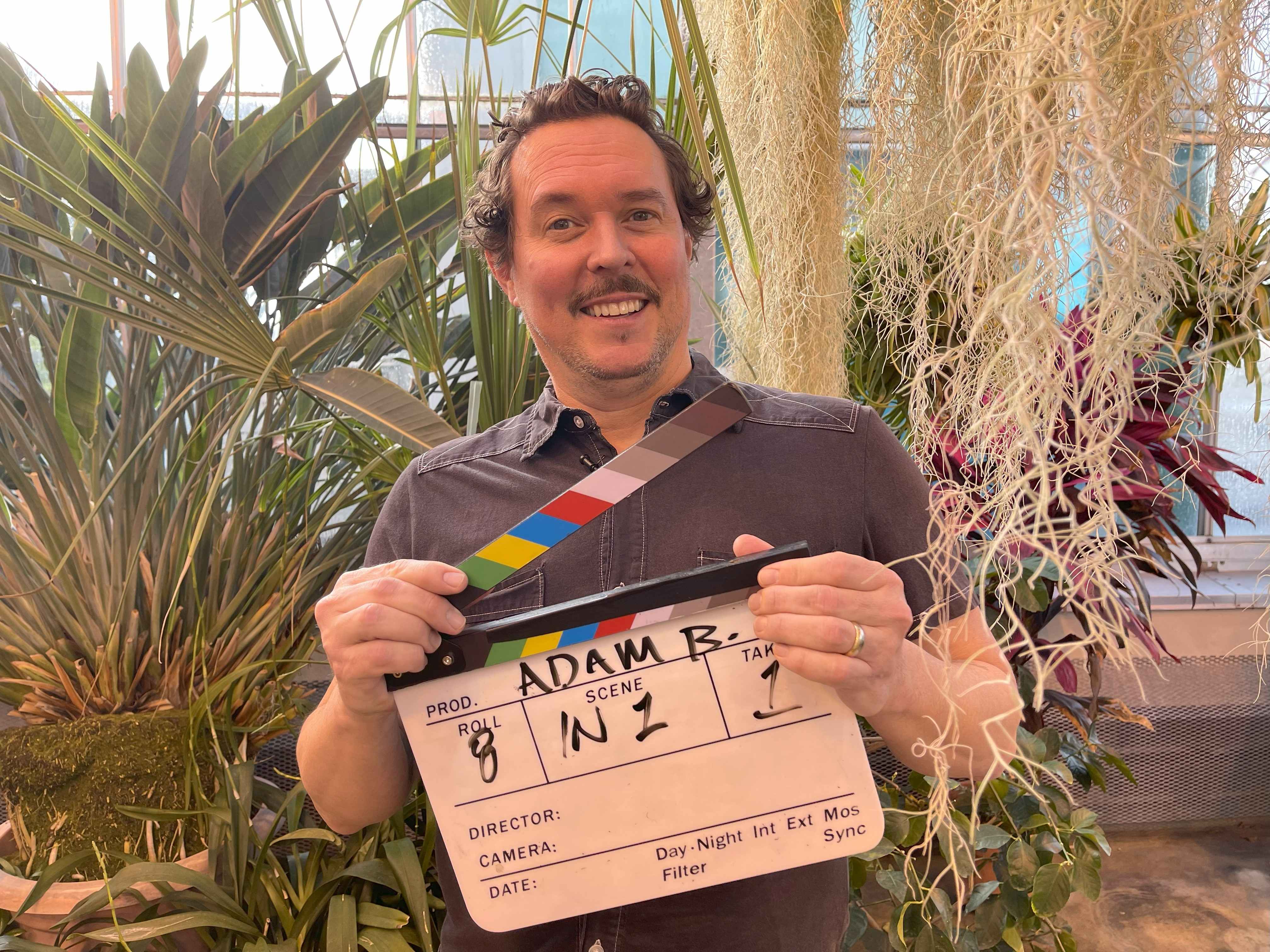
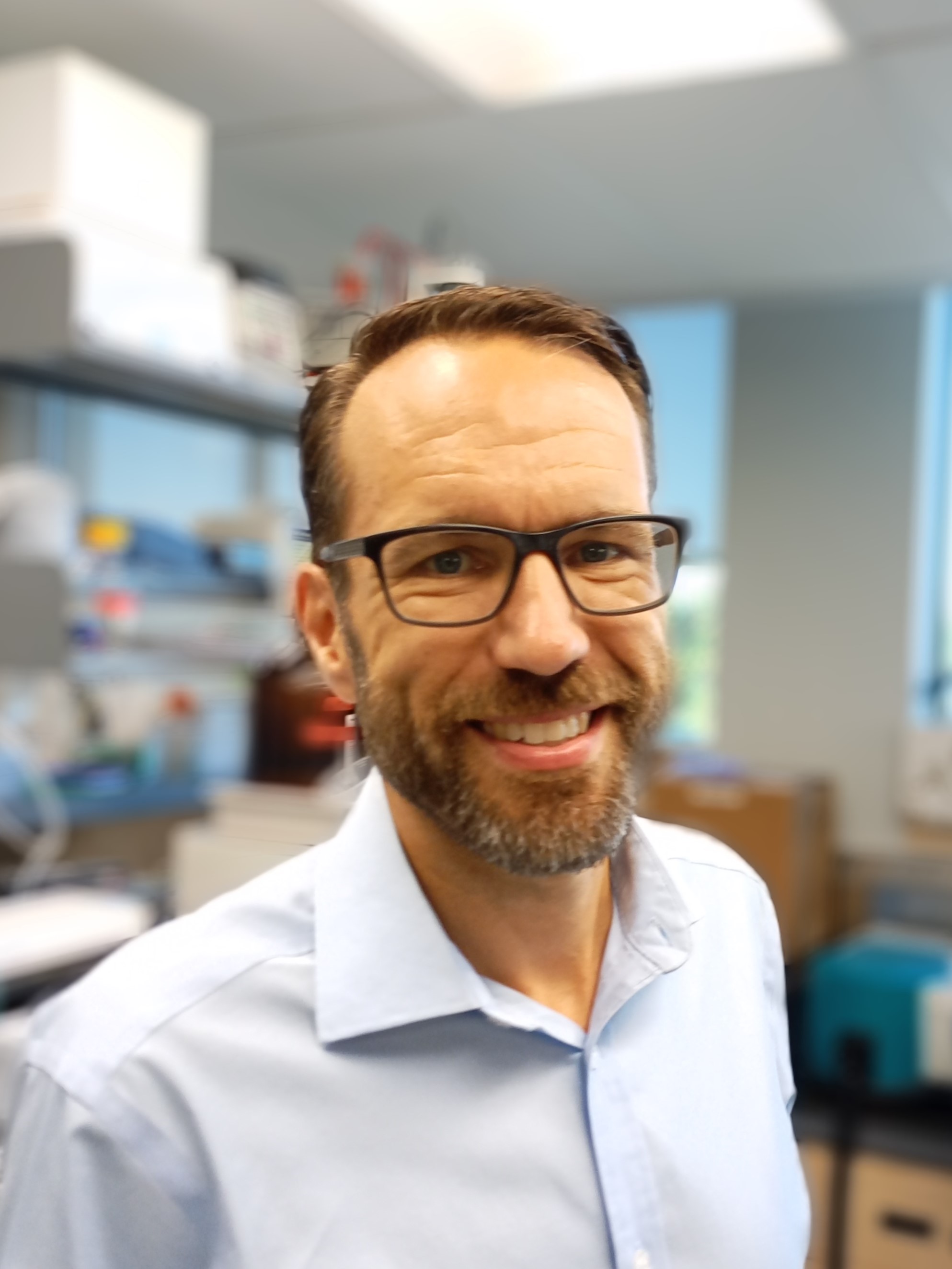
Alistair Savage

Alistair Savage

Alistair Savage is a full professor in the Department of Mathematics and Statistics at the University of Ottawa. Since joining uOttawa in 2006, he has taught a wide range of undergraduate and graduate math courses, in both English and French. In that time, he has built teaching practices centred on accessibility, clarity and intellectual independence.

A defining feature of Professor Savage’s teaching is his commitment to open learning resources. For more than a decade, students in his courses haven’t needed to purchase textbooks. Instead, he relies on open-access resources available through the University’s library subscriptions. This significantly reduces financial barriers to learning. He also writes complete, textbook-quality lecture notes for every course he teaches. All of these notes are publicly available online and have been used by colleagues at uOttawa as well as students and instructors at institutions around the world. He was an early adopter of educational technology, recording lectures and developing thorough course websites long before these practices became widespread.

Professor Savage has earned international recognition for his research in representation theory, categorification and diagrammatic methods. He has published extensively and delivered invited lectures and mini-courses around the world. His teaching excellence extends beyond the classroom through mentorship of undergraduate, graduate and postdoctoral students. Many mentees have gone on to successful academic and professional careers. 

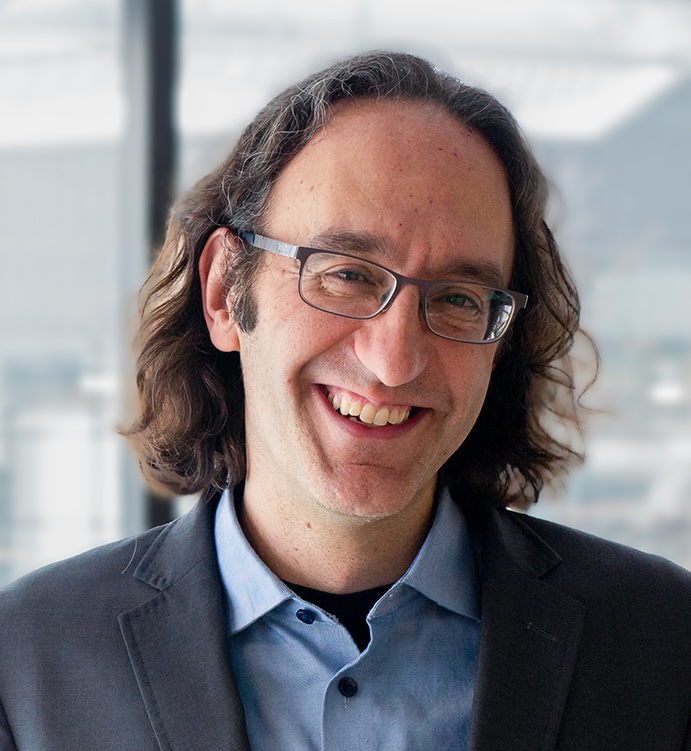
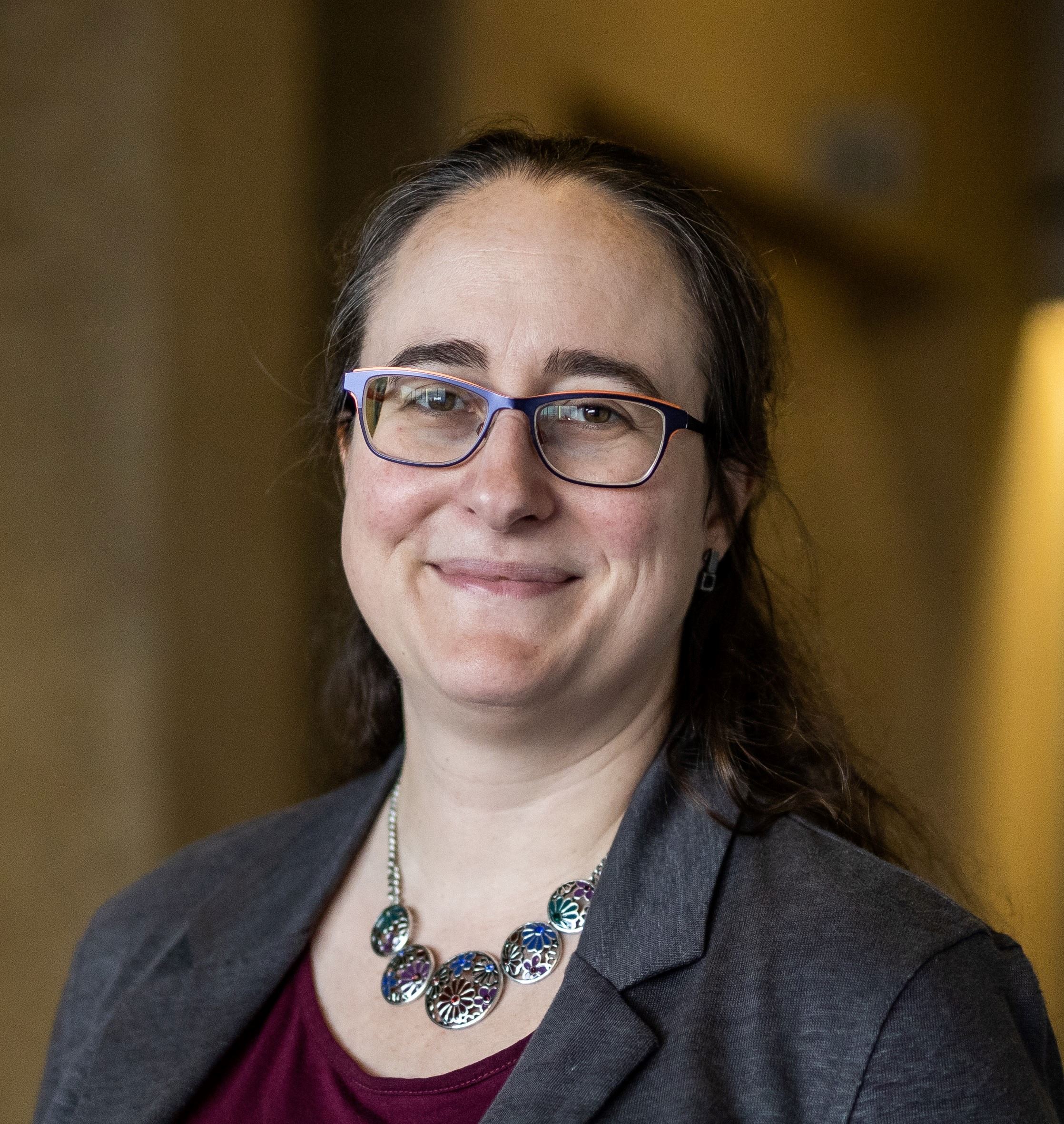
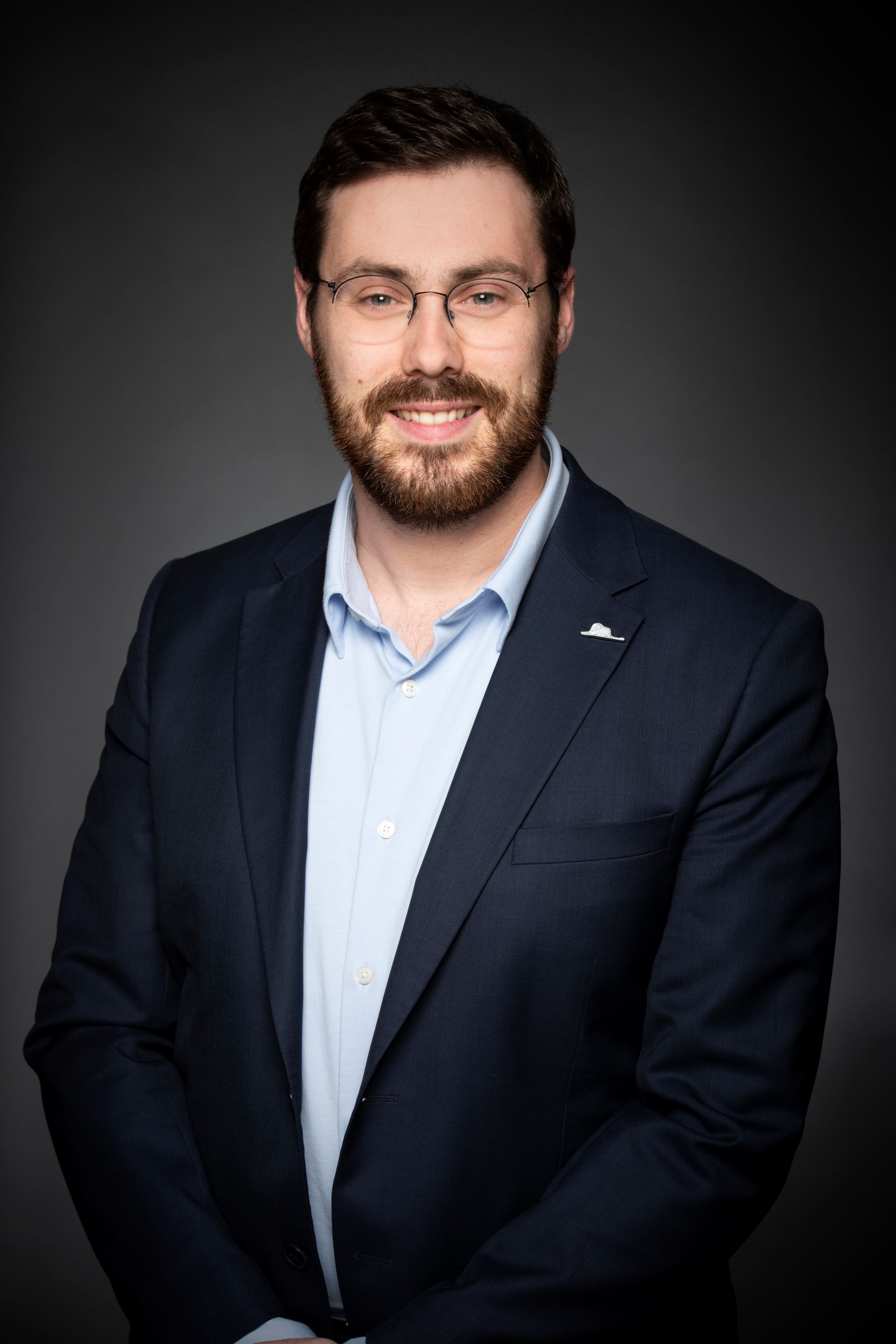
Jacob Krich

Jacob Krich

Jacob Krich is a professor of physics at the University of Ottawa. A theoretical condensed-matter physicist, he focuses on new pathways to high-efficiency photovoltaics and on non-linear spectroscopy.

Dr. Krich received his BA in physics from Swarthmore College in Pennsylvania, followed by an MMath from the University of Oxford, where he was a Rhodes Scholar. He earned his PhD in theoretical condensed-matter physics from Harvard University. After graduation, he was a Ziff Environmental Fellow at the Harvard University Center for the Environment and a postdoctoral fellow in the Harvard Department of Chemistry and Chemical Biology.

Dr. Krich joined uOttawa in 2012. In 2018, he received the Early Researcher Award from the Ontario Ministry of Research and Innovation for his contributions to novel photovoltaics.

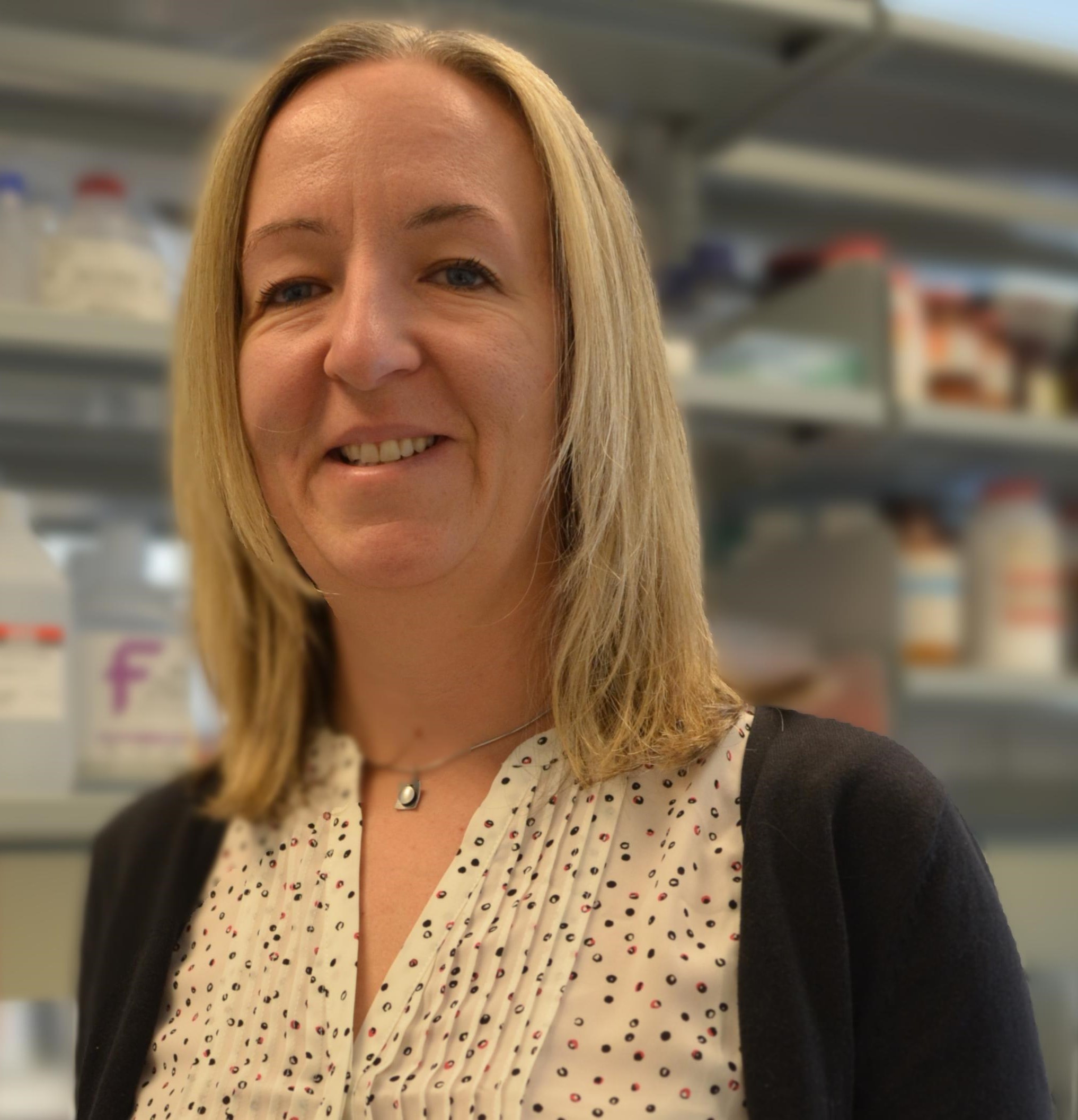
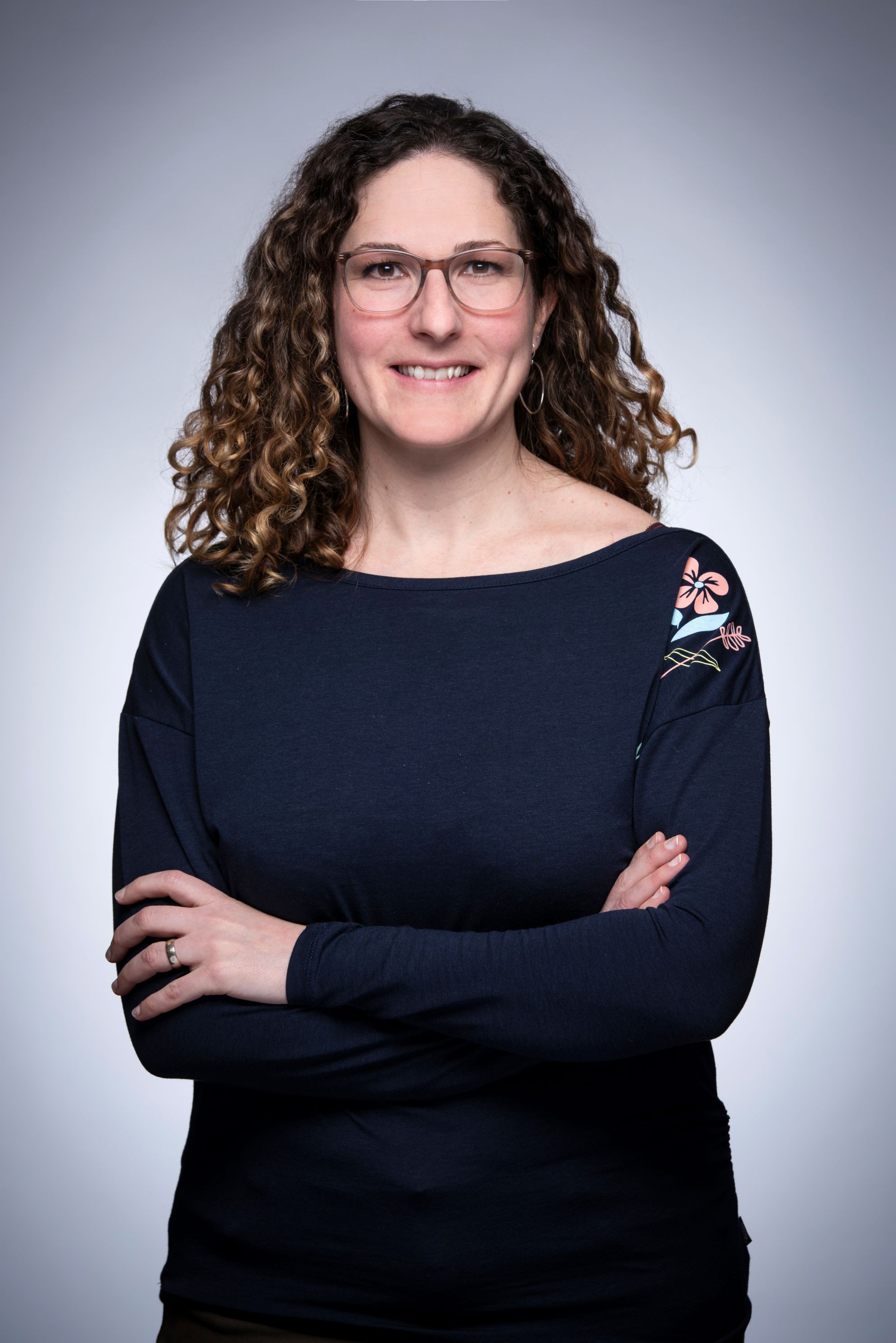
Sarah Fraser

Sarah Fraser

Sarah Fraser is an associate professor in the Interdisciplinary School of Health Sciences, with a cross-appointment to the School of Psychology. She leads the Aging and Cognitive Health Lab at Lees Campus. She’s also a member of the LIFE Research Institute and the Brain and Mind Research Institute, and an affiliate of Bruyère Health Research Institute.

Her interdisciplinary research focuses on older people’s cognitive health. Part of this research explores the impacts of ageism within and outside the health-care system. Another part uses portable neuroimaging technology to measure changes in brain activity during everyday tasks (such as walking and talking). The goal of this is to identify early, subtle changes in the brain that could be markers of changes in cognitive health.

Professor Fraser places great importance on the words of Mahatma Ghandi, “Live as if you were to die tomorrow. Learn as if you were to live forever.” She believes her love of learning and passion for research are what make her a good researcher, supervisor and educator. Learning from students and, in turn, watching them learn and grow is one of the most rewarding parts of her job. She plans to use this prize to work with students and the Teaching and Learning Support Service team so she can develop a new graduate course on health technology and innovation. It will give students hands-on experience with some of the cutting-edge health technologies in use at the University of Ottawa. 

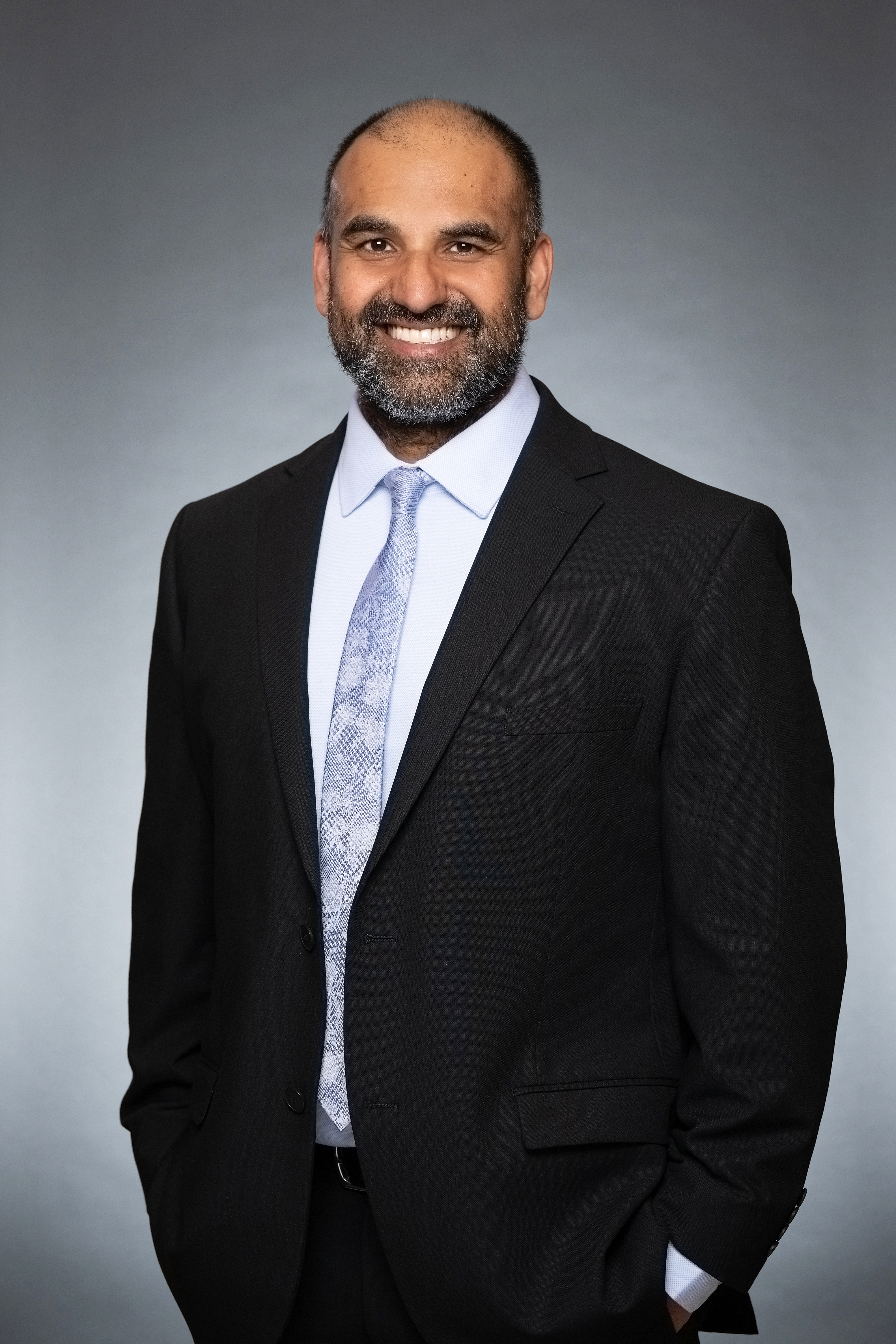
Christopher Ramnanan

Christopher Ramnanan

Dr. Christopher Ramnanan is an associate professor in the Department of Innovation in Medical Education at the Faculty of Medicine. He’s a key figure in basic science for undergraduate medical education and graduate studies. He has driven continuous improvement in anatomy education locally, prioritizing hands-on learning with body donors.

Dr. Ramnanan has held a range of leadership roles and serves on multiple committees in undergraduate medical education. He also continues to be heavily involved in delivering lectures and teaching labs. Since 2023, Dr. Ramnanan has been the director of the new anatomical sciences education graduate program. With his support, these graduate students have excelled as anatomy educators. Many of them have cited his guidance and mentorship as key factors in their development.

Dr. Ramnanan’s scholarship focuses on optimizing clinically oriented, student-centred anatomy education. This has led to over 50 peer-reviewed publications. Many of these projects provided medical and graduate students under his supervision with their first experiences in conducting research, presenting at international conferences and publishing in academic journals.

Known for his firm dedication to innovation, leadership and the student experience, Dr. Ramnanan is world-famous (within five kilometres of campus) for using humour, pop culture and personal anecdotes (often involving his daughters, Gabby and Everly; his wife, Lynley; and his dog, Dexter) to make content engaging and memorable. These efforts have earned him recognition such as the Faculty’s Educator of the Year — Basic Sciences Award (2019) and Educator of the Year — Pre-clerkship Award (2021). 

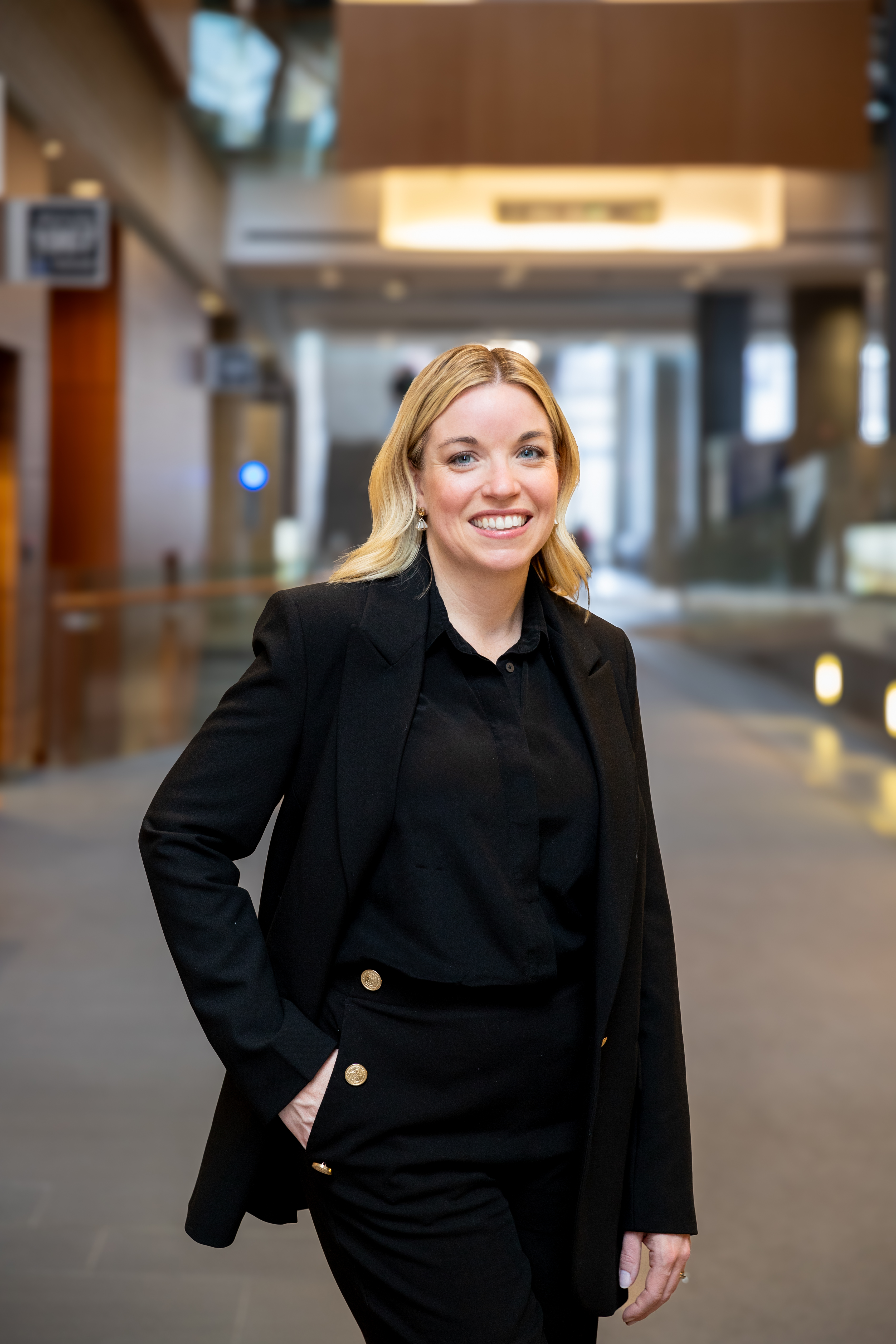
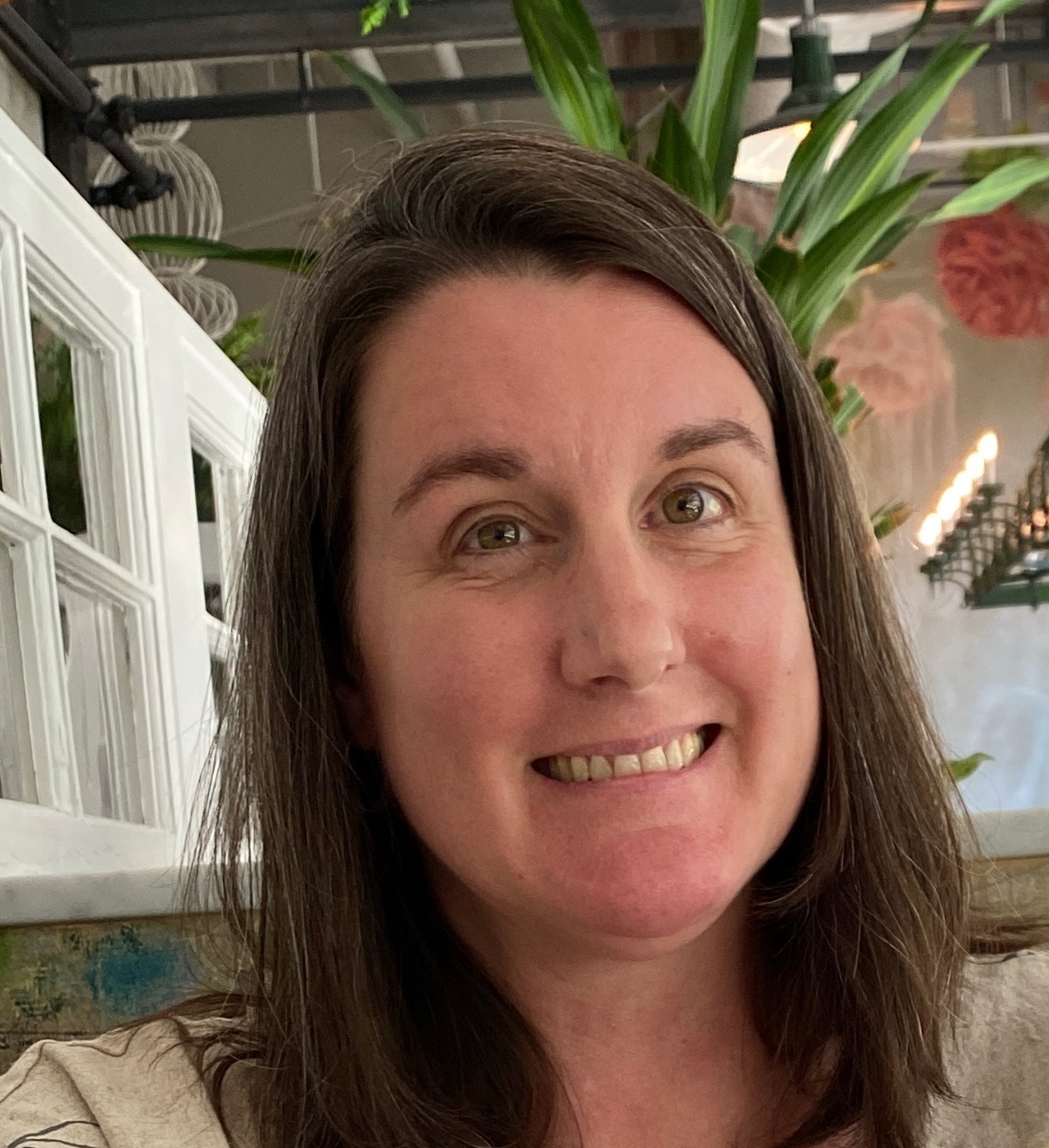
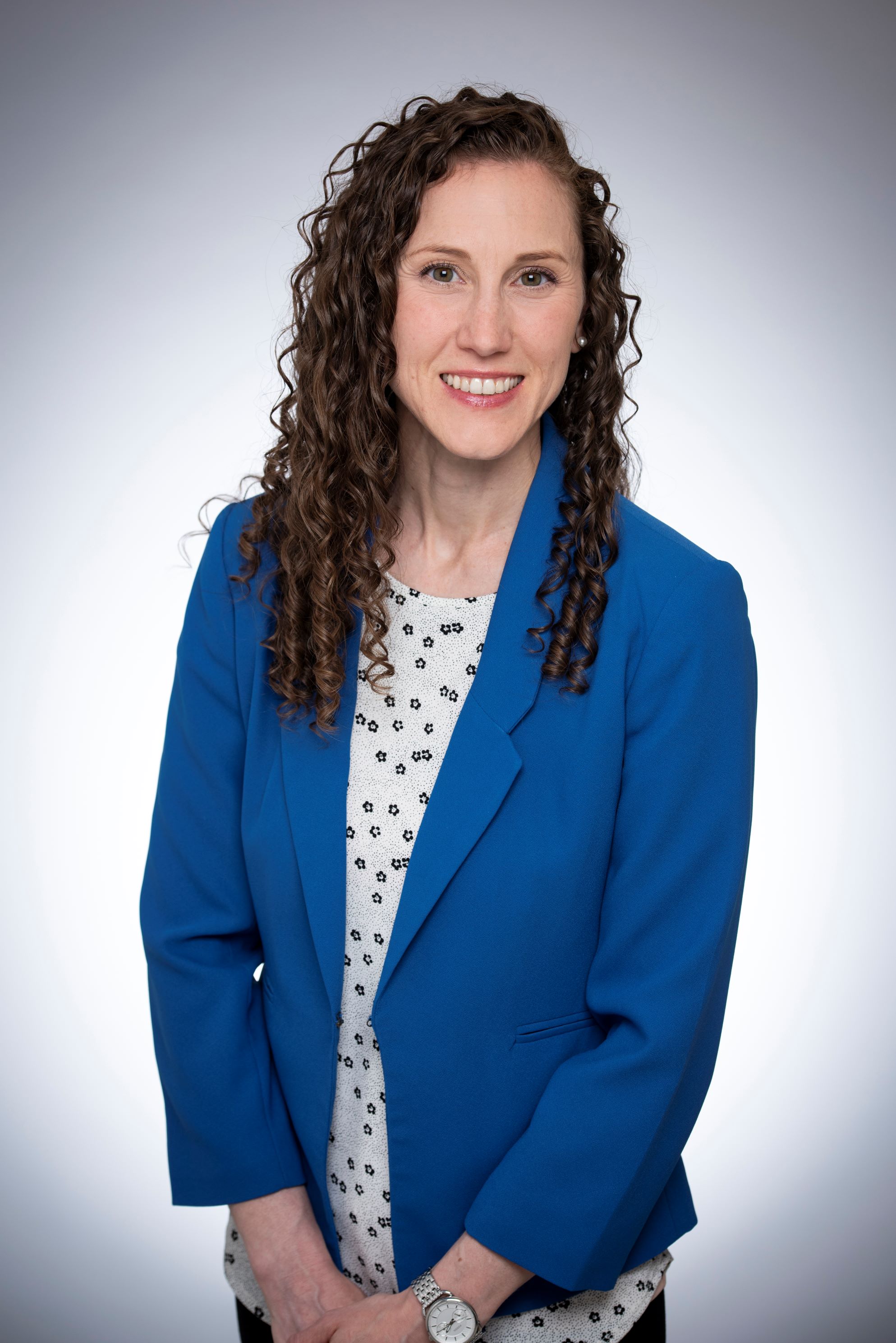
Megan Cotnam-Kappel

Megan Cotnam-Kappel

Megan Cotnam-Kappel is an associate professor at the University of Ottawa Faculty of Education. There, she holds the Research Chair on Digital Thriving in Franco-Ontarian Communities. The goal of her research is to understand and bring to light the digital and linguistic inequalities affecting Francophone minority communities, as well as the ways these inequalities affect digital access, skills and empowerment. She’s also exploring what tangible steps can be taken to reinvent teacher education for the digital age. As part of this work, she develops training opportunities tailored to the realities of Franco-Ontarian communities. She’s particularly fond of working with youth in schools. It lets her leverage what they experience online, especially on social media, to drive learning and research.

Professor Cotnam-Kappel’s teacher education work involves designing innovative learning environments that double as research spaces. She works with partners such as Franco-Ontarian broadcaster TFO and teachers from multiple French-language school boards across Ontario. These projects come to life in places like EdstudiO and INNOVA. Here, she leads work to co-create learning resources alongside schools in a way that addresses the needs they’ve identified and builds on their sociolinguistic realities.

Professor Cotnam-Kappel’s work has received major funding and exposure from across Canada and around the world, including through her collaborations and involvement in initiatives like UNESCO summits. From 2020 to 2023, she chaired the Technology and Teacher Education special interest group (within the Canadian Association for Teacher Education), where she played an active role in advancing knowledge and practices in the field. A dedicated Franco-Ontarian, she strives to help communities thrive in the digital world and promote the French language in minority communities.

Nomination

Deans will recommend candidates to the University of Ottawa Excellence in Education Prizes Selection Committee following assessment by the respective faculty's teaching personnel committee (an extract of minutes is to be included with recommendation).

Nominees are chosen within the nominations received by the deadline. Nominations must include:

  • A statement outlining the basis and justification for the nomination (maximum two pages);
  • A copy of the nominee's complete and current curriculum vitae;
  • A copy of the summary of the nominee's teaching evaluations for the previous three academic years (i.e., the A Report – Summary), excluding students' comments;
  • A maximum of four letters of support from colleagues or students (indicate if originally provided for another prize);
  • A short text from the nominee indicating the use that will be made of the funds, more specifically:
    • Project objectives;
    • Timeline;
    • A precise and justified budget;
    • Impact project will have on the broader university teaching community.

Completed nominations are to be submitted to the Office of the Provost and Vice-President, Academic Affairs. Please provide our office with one electronic version to [email protected]. Generally, decisions are made within three months.

Should you require additional information, please write to [email protected].