
Understand the causes of environmental issues, learn about the solutions, and study in a field that will transform the world.

This program will guide you in the study of current environmental issues, such as climate change, biodiversity, and pollution. Your professors, who share your passion for these topics, will help you explore the history and multidimensional solutions to these issues as they relate to health, the economy, politics, and natural, social, and cultural ecosystems. This multidisciplinary program features courses from three different uOttawa faculties.

Why choose this program

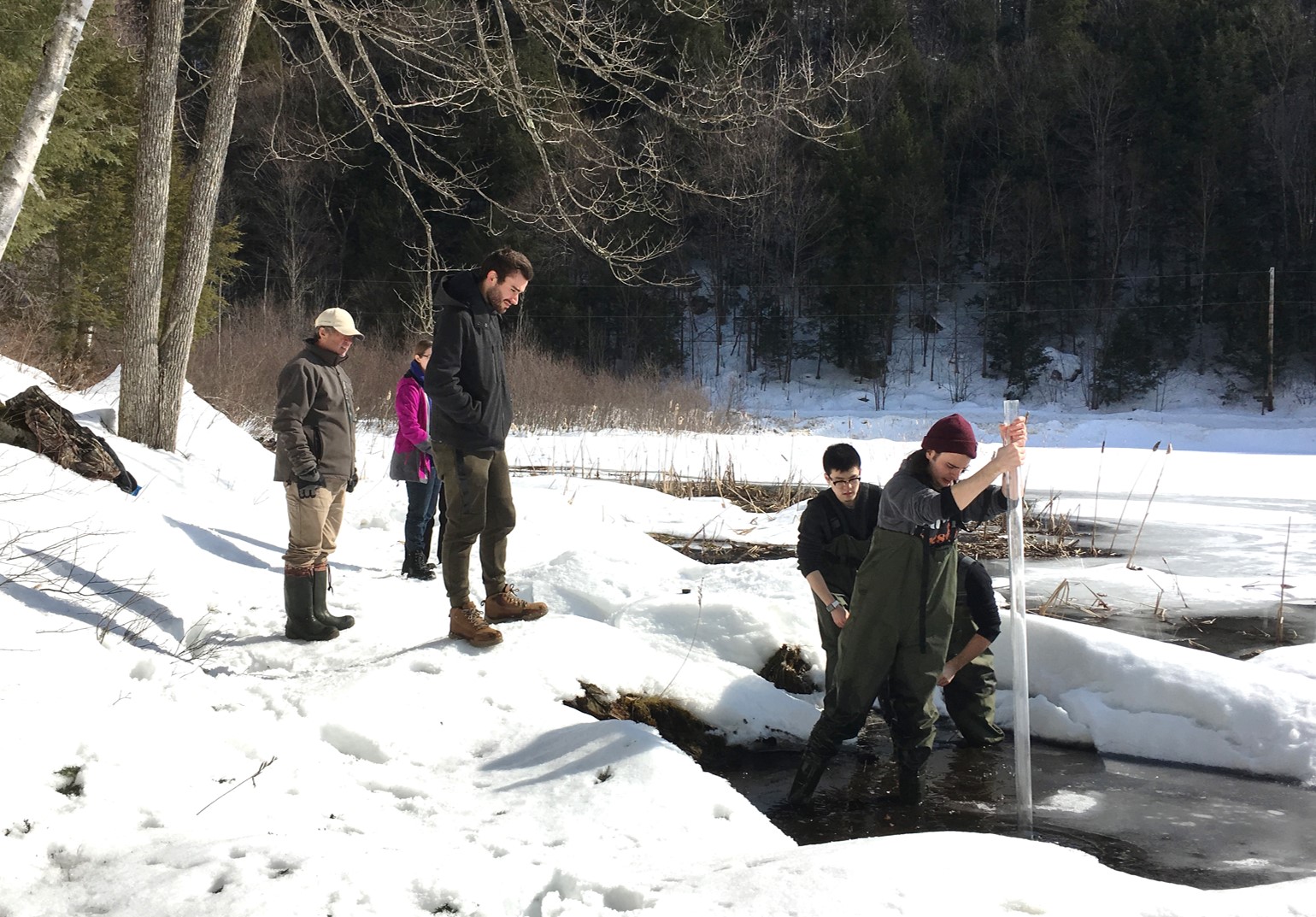
excursion

Holistic Environmental Education: Gain comprehensive insights into environmental issues as their causes, solutions, and societal impacts, empowering you to make a difference in the world.

Multidisciplinary Approach: Explore environmental topics from diverse perspectives, including health, economics, politics, cultural and physical science, in courses taught by experts in these fields.

Cutting-Edge Facilities and Experiential Learning: Benefit from state-of-the-art laboratories and engage in hands-on learning experiences, including field excursions, national and international field courses, and co-op opportunities.

Research Excellence: Join a top-tier research university with significant annual research spending and a strong focus on graduate employability, supported by an extensive co-op program.

Bilingual Education and Support: Study in English, French, or both at a bilingual university, with ample scholarships and bursaries available to recognize academic achievements and meet financial needs throughout your academic journey.

Browse program options

4 years120 units
Globe icon.

Honours BA in Environmental Studies

Most extensive and focused study in Environmental Studies.

Can be combined with a minor in another area.

Program Structure (English Program)

Program Structure (Bilingual Program)

Course Sequence

42 units
Eye icon.

Major in Environmental Studies

Gain a solid foundation in both natural and social sciences that allows you to understand the challenges and strategies involved in managing environmental problems at various levels.

Can be combined with a second Major or a Minor

Program Structure (English Program)

Program Structure (Bilingual Program)

Course Sequence

30 units
Quotation marks icon.

Minor in Environmental Studies

Develop a holistic awareness of environmental issues, a general knowledge of scientific processes, and a solid understanding of social and political implications.

Program Structure (English Program)

Program Structure (Bilingual Program)

Course sequence

Admission requirements and deadlines for Environmental studies

After your studies

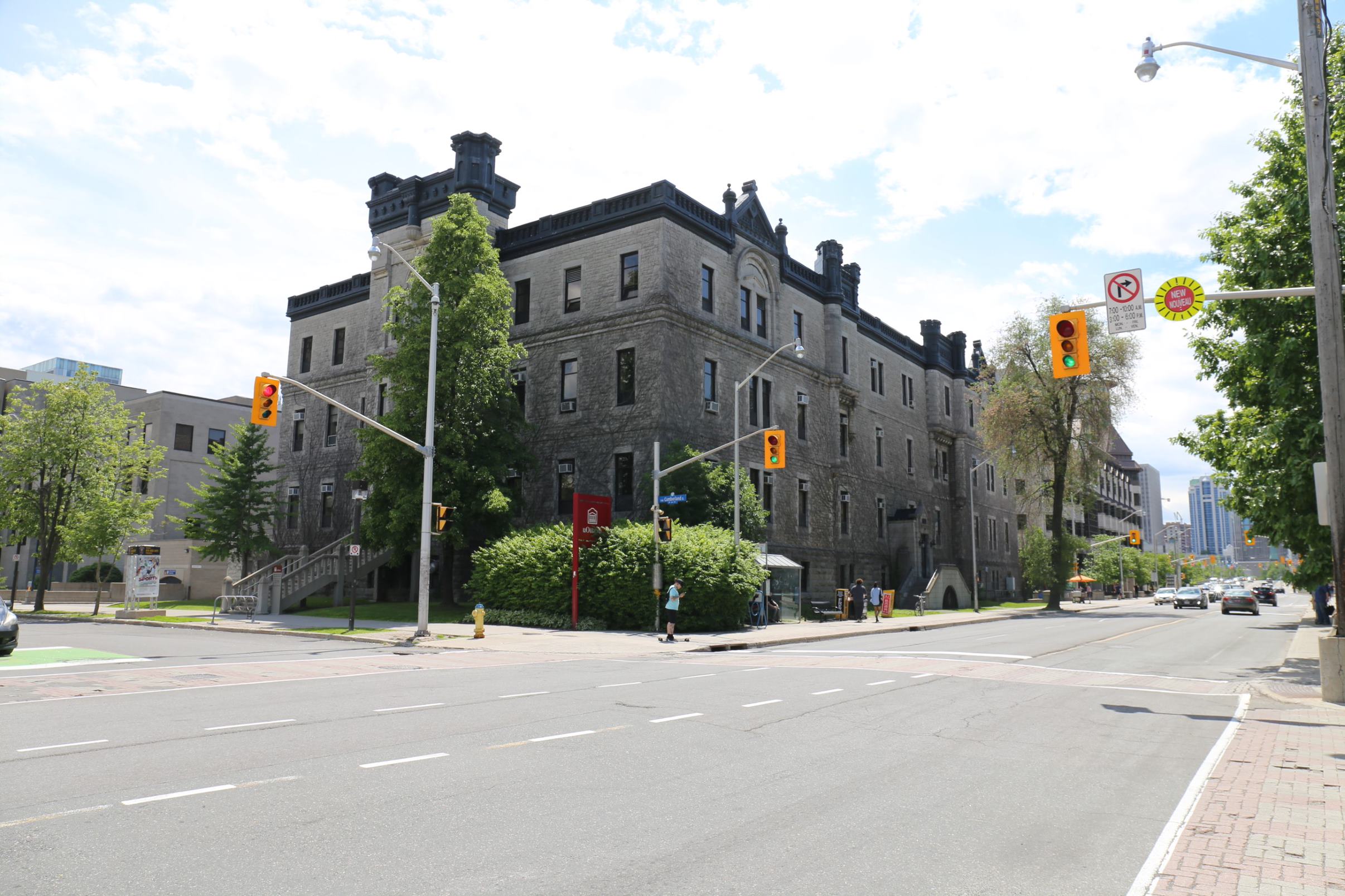
City

After completing your undergraduate studies in Environmental studies, you have two main paths to consider: continuing your education or entering the workforce.

You may choose to pursue graduate studies, such as a Master’s degree (MA or MC), to deepen your knowledge and develop advanced research, analytical, and critical thinking skills. A research-based MA is ideal if you’re interested in specializing in a topic or eventually pursuing a PhD, while the Master of Environmental studies (MC) offers a more practical approach, with the option of gaining professional experience through co-op placements.

Alternatively, you can move directly into the job market. Your degree can lead to a variety of careers in fields such as Teacher, Environmental interpreter, Environmental impact analyst, Energy policy analyst, Environmental planning officer, Program officer (NGOs, public service). These opportunities allow you to apply your skills in analytical thinking, technical proficiency, and socio-economic awareness in real-world settings.

Whether you choose further studies or enter the workforce, your degree provides a strong foundation to build a career in the Environmental field.

Career development and experiential learning

At the University of Ottawa, our state-of-the-art laboratories provide the opportunity to build knowledge through hands on learning in computer-based courses that employ GIS and AI.

Student experience

field course

Field courses and excursions

Take part in three hour-long excursions in Ottawa’s region to study hydrology, landscapes or past environments. For more immersive field experience, leave on a multi-day field course to study Urban Geography in Montreal, Environmental change in the Georgian Bay area, Cold environments in Gaspésie, Canada’s North in the Yukon, Glaciology in Iceland or Tropical Coastal Environments in Zanzibar. Take a once-in-a-lifetime opportunity to study in a transformative learning environment.
GAIA

Undergraduate Students Association GAIA

Gaia is the Geography, Environment and Geomatics Student Association. We are here to serve and represent the student bodies of these programs and to help better your university experience.

“Gaia“ (pronounced guy-a), according to Greek Mythology, is the goddess of the Earth. James Lovelock used the term in the 1970s to describe the earth as a living, self-regulating organism.
GGSA

Geography Graduate Students Association GGSA

The GGSA is a departmental organization responsible for supporting and representing graduate students in the Department of Geography, Environment and Geomatics at the University of Ottawa. We allow the voices of graduate students to be heard by sitting in and voting at department assemblies. We also organize social events to encourage human geographers, physical geographers, and geomatics specialists to interact with and learn from each other.

Need help?

question-icon

Contact us

Question about this program? We are here to help!

Student for a day

Meet our student recruitment office

Does the transition to university seem a bit intimidating?
Book an appointment with our student recruitment officer