

Graduate students contribute greatly to the research within our Department. If you wish to consult a Master’s research papers or thesis or a PhD dissertation, please make an appointment with the Faculty of Arts’ Academic Assistant for graduate programs (for a Master’s thesis) or contact the Morisset Library’s Archives and Special Collections (for a doctoral dissertation).

A field of excellence
The History Department’s strengths cover a range of fields and thematic areas. Faculty research and teaching include Canada, Holocaust and Genocide Studies, Indigenous history, the Middle Ages, Africa, Europe, American history, military history, and Black Diaspora Studies. Faculty also have strong partnerships with Library and Archives Canada, the Canadian War Museum, and the Canadian Museum of History.
Canadian history
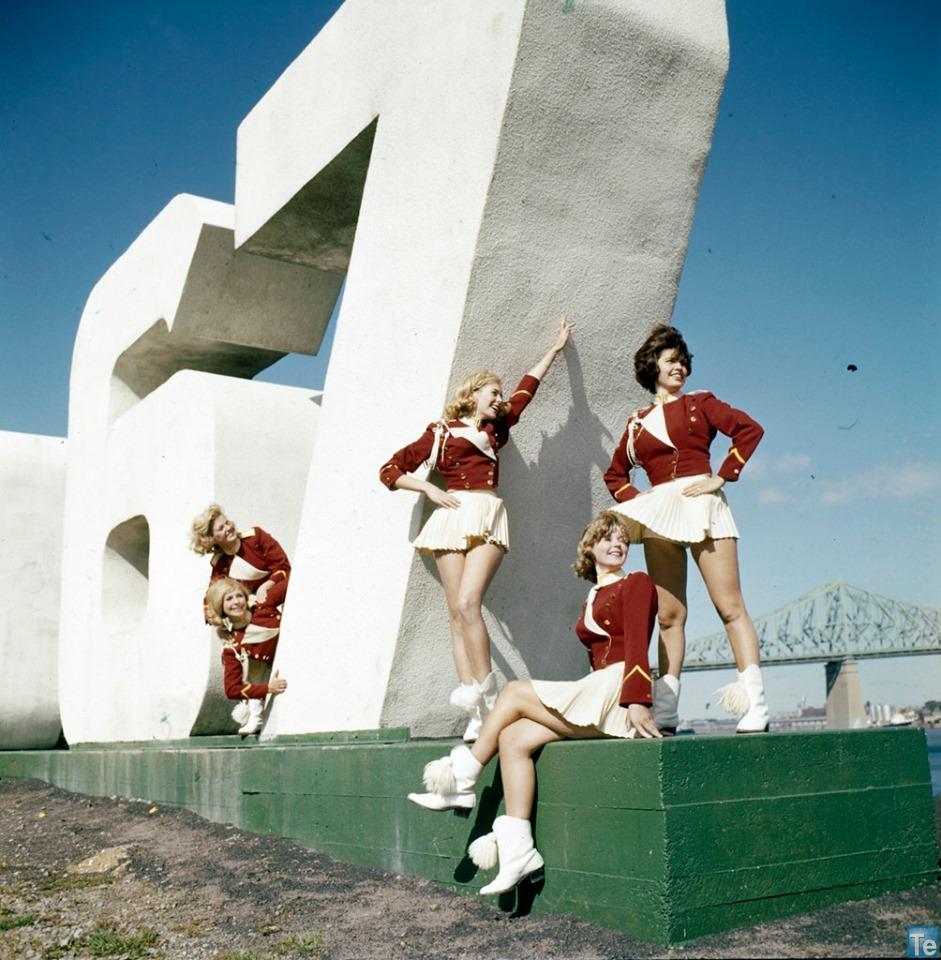
Canadian history is one of our foremost areas of expertise. Faculty explore the historical forces that have shaped Canada from its earliest days. Their scholarship and courses examine Indigenous histories, the study of French Canada, social and cultural history, intellectual history, military history, labour relations, Black Canadian history, international relations, and race and immigration.
Faculty
European history
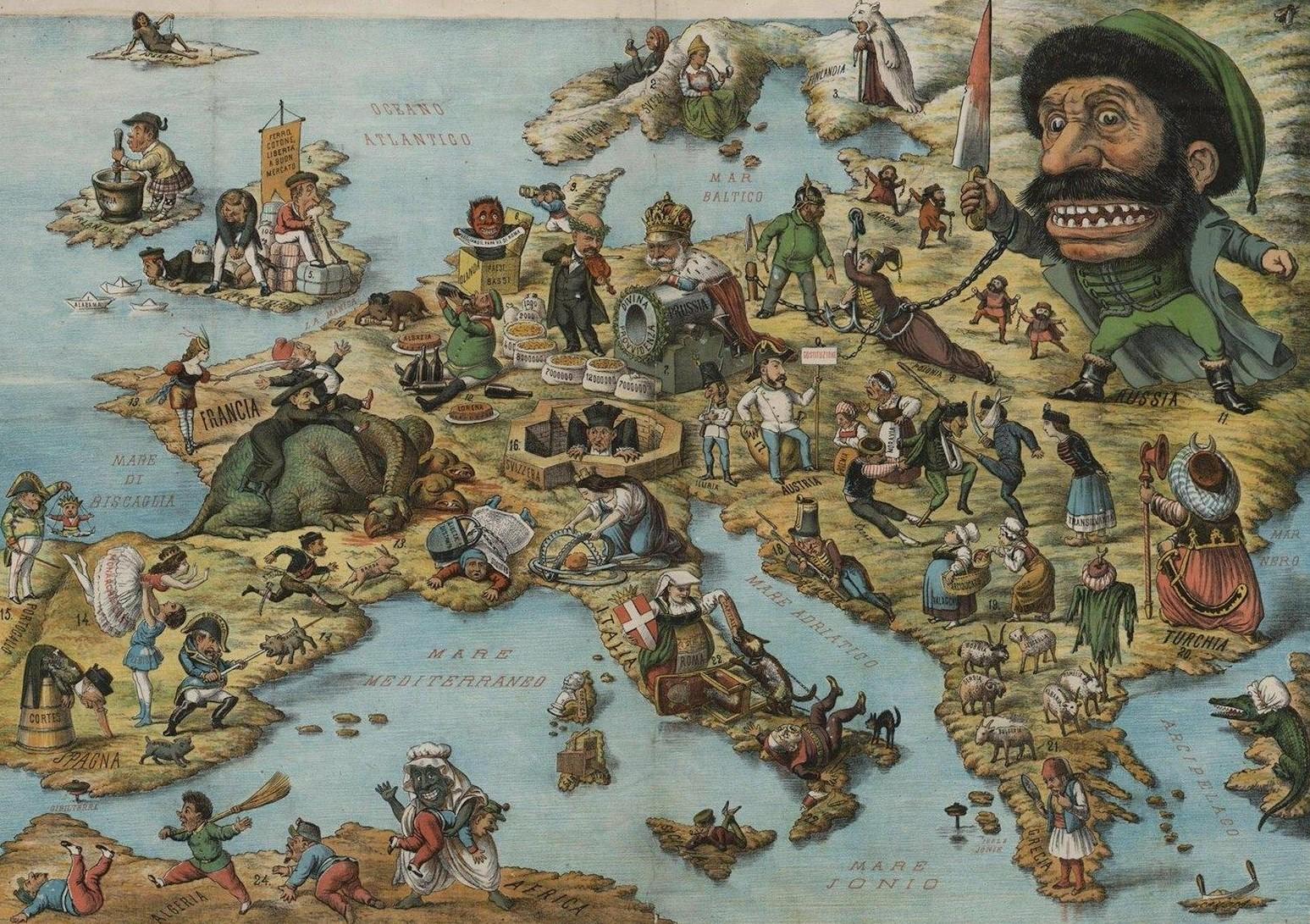
Europe in its geographical and conceptual permutations has long been a central focus of historical scholarship and historiographical trends. Our researchers bring new methodologies, questions, perspectives, and approaches to bear on this rich tradition. One stream is linked to postcolonialism's critique of Eurocentrism and its place in world/global history. Other streams include rethinking Europe from its peripheries, examining European histories through the body, gender, law, identities, state formation, border theory, migration and mobility, environment, regional integration, and globalization.
Faculty
Gender, sexuality, and the body
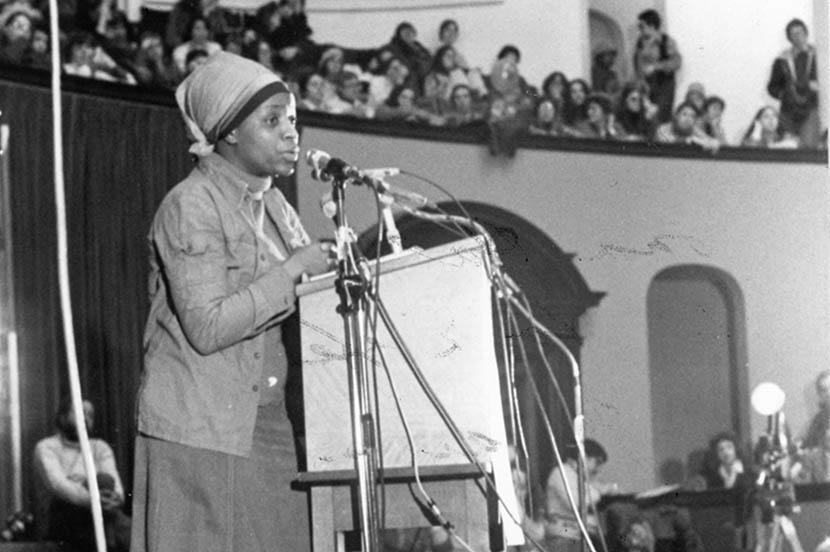
Our researchers use gender not only as a tool of analysis but also as an innovative approach to study human relations, behaviors, and identities. The fields of history of sexuality and history of the body have developed their own set of conceptual devices to further our understanding of what it means to be human. With topics covering areas such as the legal control of procreation, the involvement of women in decolonization movements, women in sports, businesswomen and economic interactions, psychiatric care, human trafficking and family relations, our collective effort is pushing the boundaries of knowledge.
Faculty
Ideas, cultures, and society
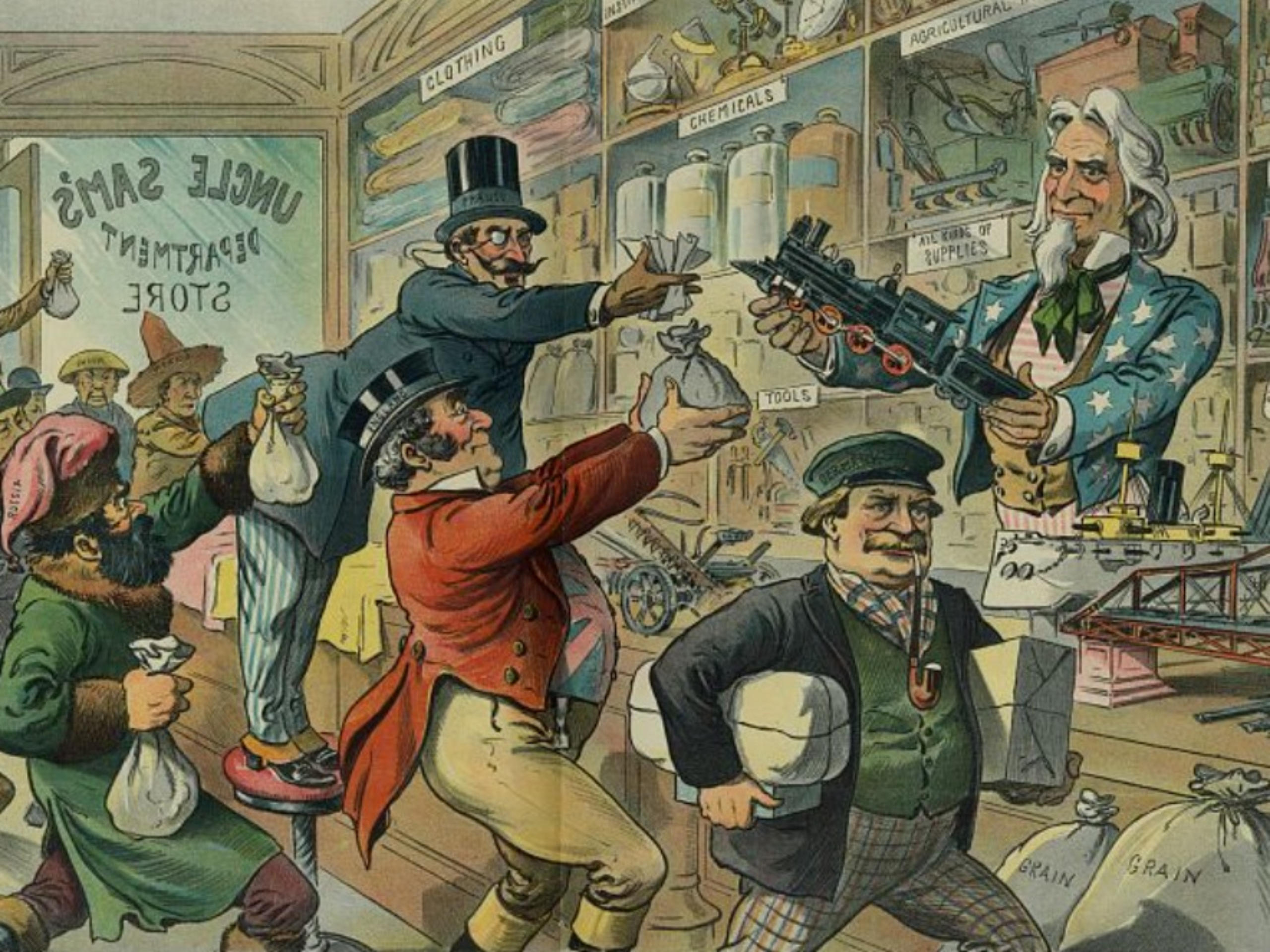
Our faculty work on a host of connections between the cultural, social, and intellectual dimensions of the lived experience. Whether studying the impact of laws, migration, social protest movements, gender, religion, race, or the political philosophies that inspired reform movements, faculty scholarship and teaching in the field of Ideas, Culture and Society bring a fresh analytical approach to understanding the forces that shape cultures, people, and societies around the world.
Faculty
Colonialism and postcolonialism
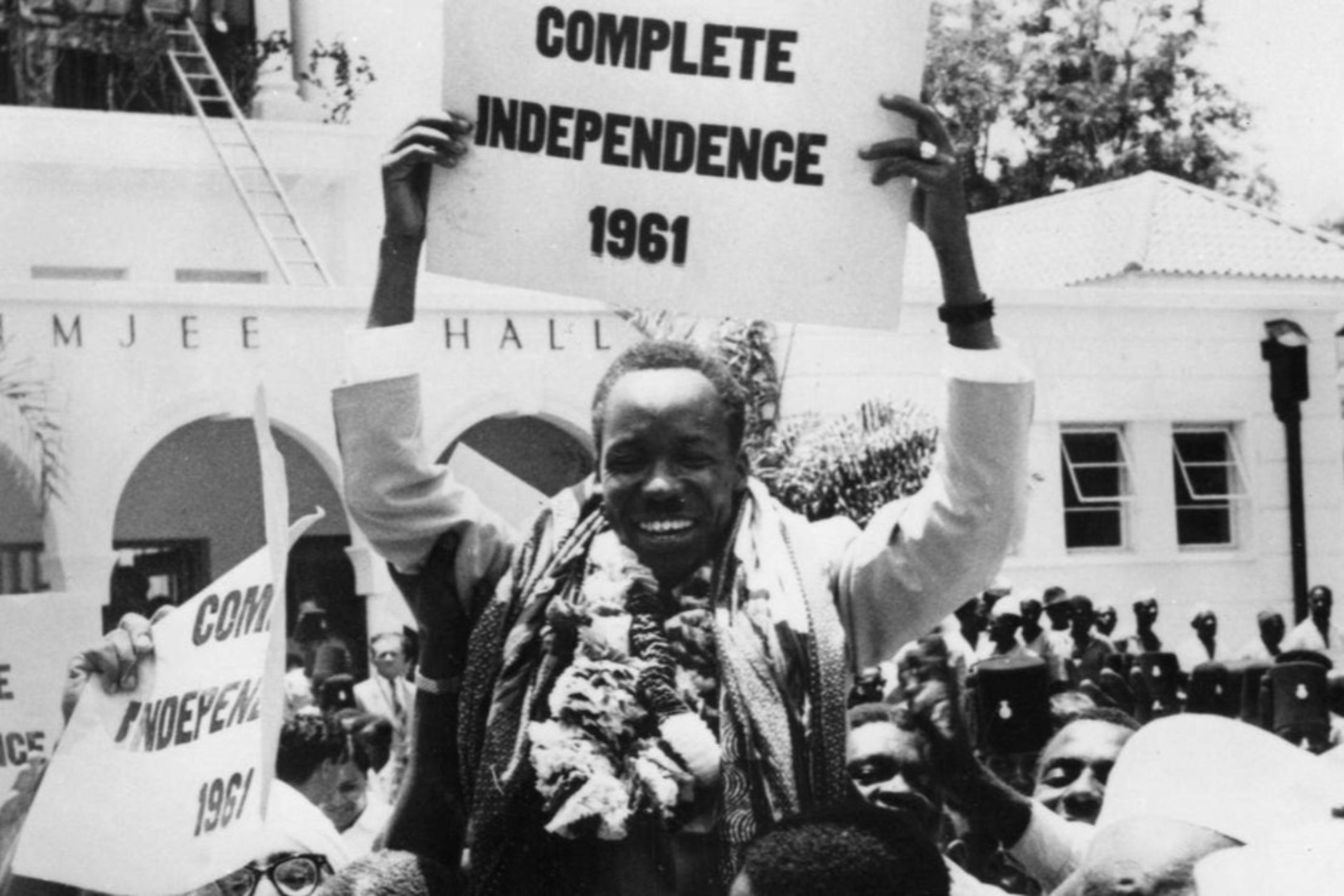
The faculty researching and teaching in the field of Colonialism and Postcolonialism analyze the complex relationships between nation-state powerholders and those who protest such hegemony. This transnational, transcultural, and international type of enquiry incorporates multidisciplinary approaches that centre environmental, Cold War, African, Asian, gender, race, religion, global, war, diplomatic, and intellectual histories in the Americas, Asia, Africa, and Europe. Their work is both comparative and international, cutting across temporal and geographic boundaries.
Faculty
War and society
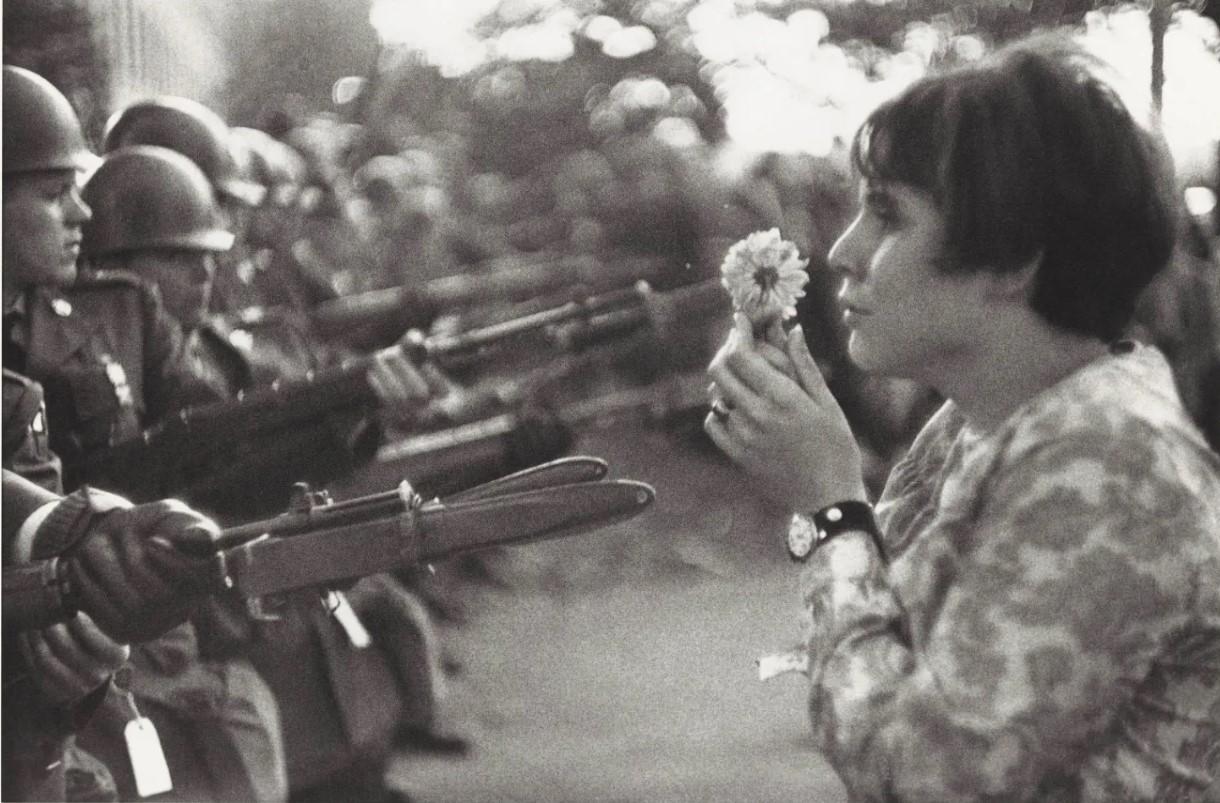
Our department is rich in expertise in the broad-based field of conflict studies, which examine the impact of war on nations, regions, communities, families, and individuals. Our faculty cohort researching and teaching in this field is temporally broad, geographically far-reaching, and diverse. Their work includes Canada, the Americas, Europe, Africa, the Middle East, and Asia. Together, the faculty explore the impacts of war, genocide, conflict resolution, religion, ethnicity, gender, diplomacy, race, class, politics, nationalism, anti-colonialism, and the social histories of armed conflicts.
Faculty
Law and society
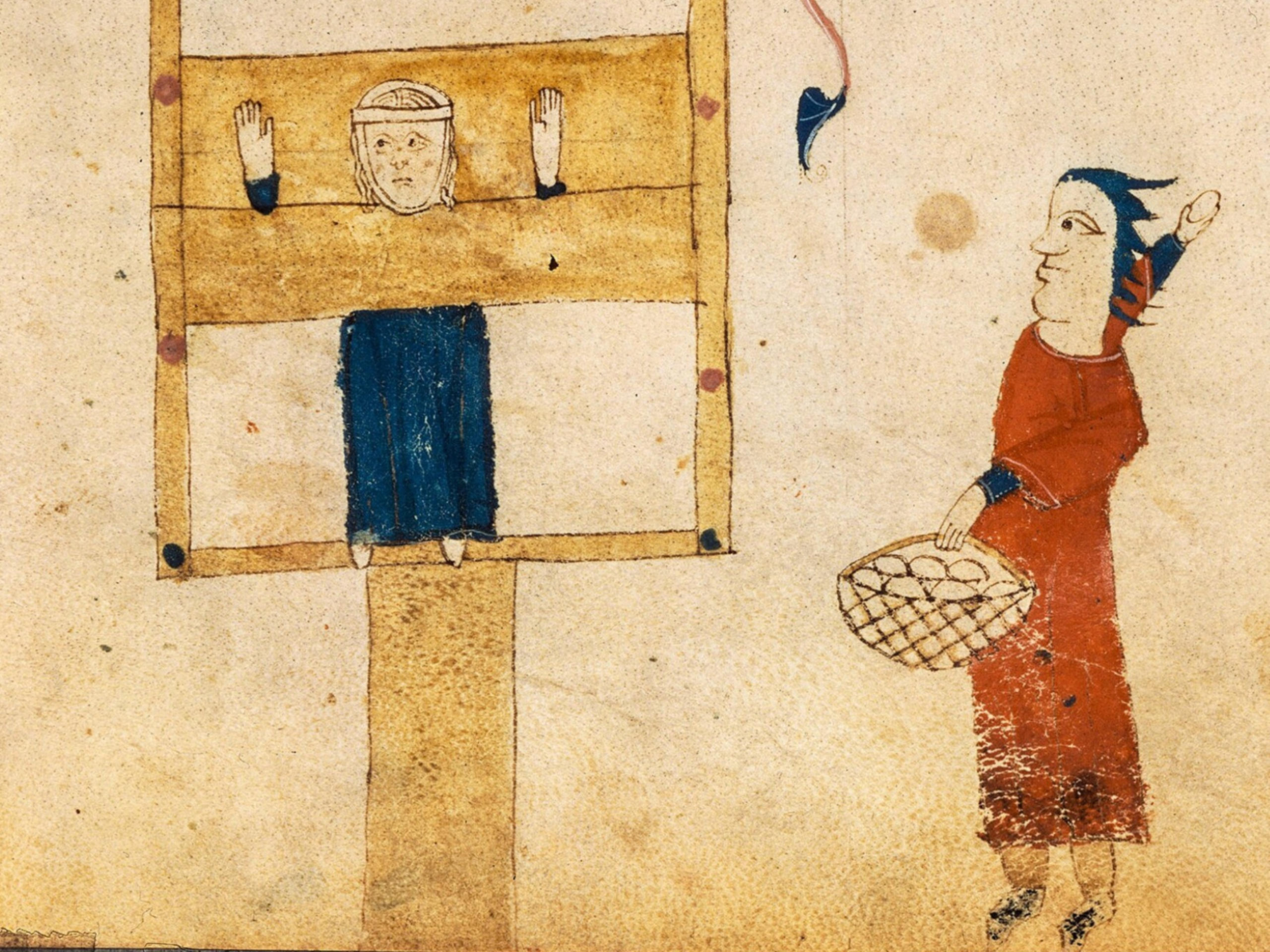
Law and legal systems cast light on ideologies, political processes, and cultural interactions. The faculty teaching and researching the interconnections between Law and Society draw from several fields and eras, including the Middle Ages, diplomacy and foreign affairs, race, immigration, gender, business, technology, imperialism, and decolonization. Their scholarship contributes to understanding how individuals and societies marshal the law to regulate, mediate, control, and contest new forms of nation-building and defining belonging.
Faculty
Faculty of Arts research chairs
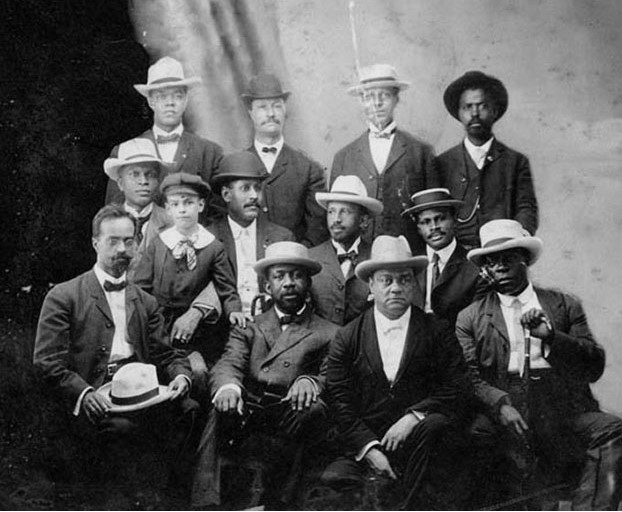
Chair in Black Canadian and Black Diaspora History
Black Canadians have been part of Canada since first contact in the seventeenth century. This Faculty Research Chair advances the study of Black Canadian and Black Diasporic life in the Western Hemisphere, Europe, and Africa over the last four centuries. Given that the second-largest group of Canadians of African descent is Francophone, the history of Black French Canadians features prominently in this Research Chair’s production of knowledge. The Vox Noirs Oral History Archives, a rich repository of the Black Canadian experience through a resolutely Francophone lens, stands out among this University Research Chair in Black Canadian History and Black Diaspora Studies’ many scholarly and public-facing projects.
Chairholder: Saje Mathieu
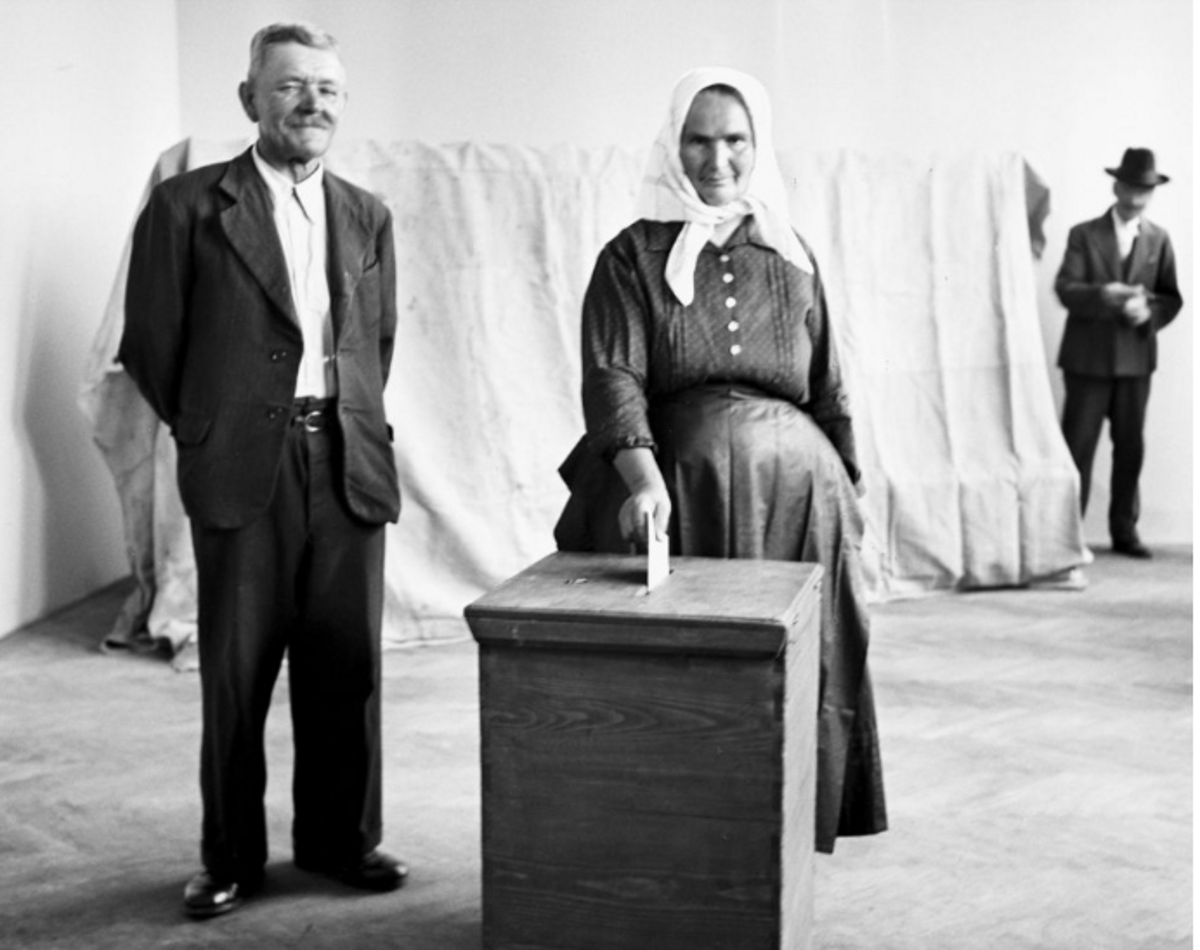
Chair of Slovak and Central European Studies
What if Central Europe is the laboratory for the major crises shaking our world? From the rise of populism to the challenges of integration, the tensions that run through our societies have often emerged with particular sharpness in Central Europe. It is from this idea that the Chair approaches the region not as a periphery, but as a privileged observatory of the identity, political, and social crises that have shaped modernity. While maintaining its Slovak anchor, it broadens its scope to analyze these dynamics on a regional and comparative scale, connecting the past to the present, and Central Europe to the rest of the world.
Chairholder: Roman Krakovsky
Theses and dissertations
Our student journals
Our student journals Clio and Strata are hubs of excellence. Managed entirely by and for students, they are the place where seminar papers become scholarly contributions and where passion for history is transformed into professional skill.

Clio
Have you written a research paper you are proud of? Clio gives you the opportunity to turn it into your first official publication. Managed by a student editorial team from all years, this undergraduate journal is the ideal platform to gain recognition for the quality of your work, familiarize yourself with the editing process, and take your first steps into the world of historical research. Publishing in Clio means leaving a lasting mark of your time at the university.

Strata
Organized by, and for, graduate students, Strata is the arena where the next generation of historians engages in dialogue, debate, and refines their research. By submitting to the rigorous peer-review process, you develop the skills essential for an academic career. Whether as an author or as member of the editorial board, Strata is a space to test your ideas, contribute to the conversations driving your field, and build your reputation as a scholar.
Our student conferences
Gaston Héon Conference
The Gaston Héon Conference is an excellent opportunity for Clio authors to present their work to an audience of their peers, the Department of History, and other faculty members. Audience members can engage in academic discussions, see their colleagues’ work, and ask questions about Clio.
Pierre Savard Conference
The Pierre Savard Colloquium is organized annually by the History Graduate Students’ Association. It offers graduate students the opportunity to share their research findings with their colleagues while gaining experience in academic communication. The Pierre Savard Colloquium is open to all historical topics, regardless of discipline.
Contact us
Department of History
Desmarais Building
55 Laurier Avenue East, 9th Floor
Ottawa ON Canada K1N 6N5
Map
Tel.: 613-562-5735
Fax: 613-562-5995
[email protected]
Office Hours
Monday to Friday
From 8:45 a.m. to 12 p.m.
From 1 p.m. to 4:30 p.m.
(June to August: closes at 3:30 p.m.)