
The digital humanities explore enduring questions about human culture; they also use digital tools creatively and critically to gather, mine, organize, visualize and disseminate information. Projects may include mining, large-scale historical census data, exploring work on computational linguistics and computer-assisted language learning or mapping patterns of sound and image in contemporary music videos and theatrical performances.

Digital Humanities
Program overview
DURATION
LOCATION
LANGUAGE
OPTIONS
Why choose this program

Enhanced Digital Humanities Skills: Digital Humanities combines the study of human culture with the creative and critical use of digital tools. You will learn how to gather, mine, organize, visualize, and share information, gaining valuable experience with methods used across the arts and humanities.
Interactive Learning Environment: Engage in hands‑on digital projects that explore cultural questions in innovative ways. Examples include mining large‑scale historical census data, analyzing computational linguistics, developing computer‑assisted language‑learning tools, or mapping sound and image patterns in contemporary music videos and performances.
Learning Support: You will have access to digital research tools, visualization software, and collaborative workspaces. The University of Ottawa Library also offers free consultation and training for digital humanities projects, with services available to faculty, students, and affiliated research groups.
Career Opportunities: Digital Humanities prepares you for roles that blend cultural insight with technological skill, including digital archivist, data analyst, cultural researcher, UX content specialist, digital project manager, and more. Your ability to interpret information and use digital tools will be valuable across academic, cultural, and creative industries.
Program structure
Browse program options
Opportunity to acquire a solid foundation while following a Specialization or a Major in another discipline.
Must be taken in addition to a main program.
Admission requirements and deadlines for Digital Humanities
After your studies

After completing your undergraduate studies in the Digital Humanities, you have two main paths to consider: continuing your studies within your Specialization or Major (for example, a Honours BA in Communication or Music) or entering the workforce.
You may choose to pursue graduate studies in your main program, such as a Master’s degree (MA), to deepen your knowledge and develop advanced research, analytical, and critical‑thinking skills.
You may also decide to enter the job market directly. Your degree can lead to a variety of careers in fields such as UX/UI design, digital archiving, data journalism, content strategy and educational technology. These opportunities allow you to apply your skills in data analysis and visualization, digital archiving and metadata management in real-world settings.
Whether you choose to continue your studies or transition into the workforce, your degree provides a strong foundation for building a career related to the Digital Humanities.
Tuition and fees
Student experience
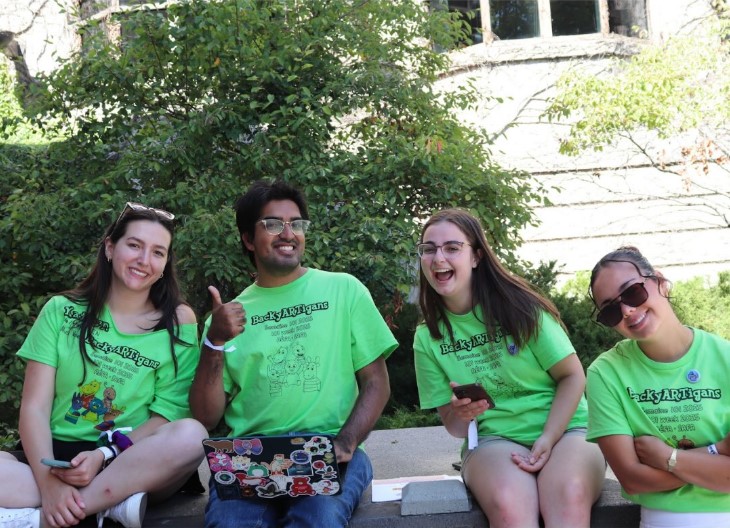
Student Association of the Faculty of Arts (SAFA)
SAFA represents the interests of undergraduate students of the Faculty of Arts within the UOSU, the Faculty, the University, the community, and the provincial and federal governments. The students’ association also works to foster a sense of community through social, academic, and cultural events, while at the same time offering a variety of services to its members.
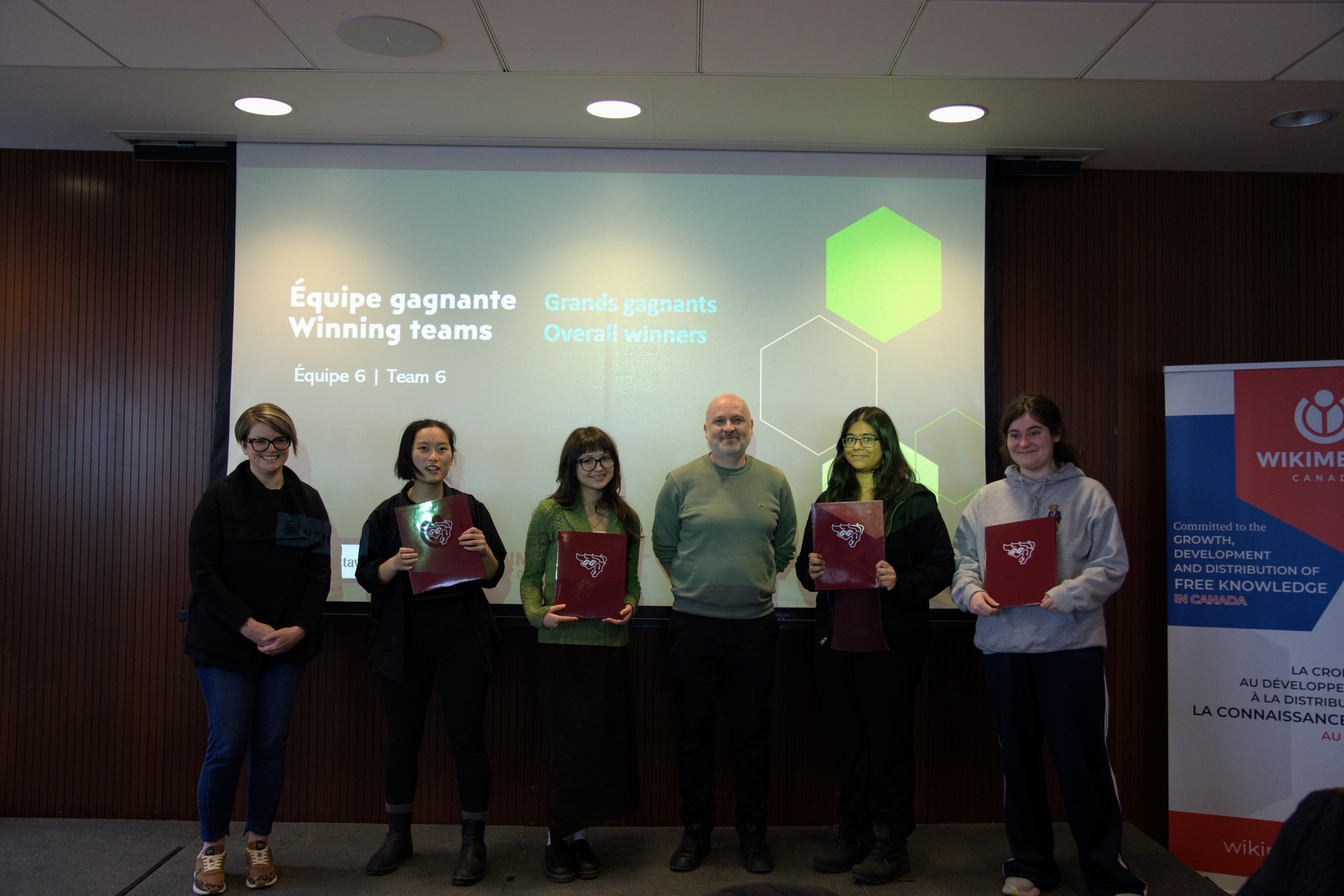
Arts Innovation Labs
Arts Innovation Labs are intensive, short-form experiential learning opportunities. They invite you to apply arts- and humanities-based thinking to real-world social and cultural challenges — and earn credit toward your degree at the same time.
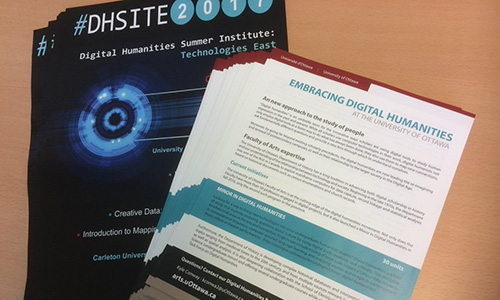
Digital Humanities Hub
DHSITE supports the development of digital humanities skills by offering a week of training on research‑oriented digital tools and methods. The institute also fosters a sense of community through workshops, keynote lectures, and discussions that promote collaboration, innovation, and critical engagement with digital practices.
Need help?

Contact us
Question about this program? We are here to help!

Meet our student recruitment officer
Does the transition to university seem a bit intimidating?
Book an appointment with our student recruitment officer