
Students having a discussion

School of Translation and Interpretation

The University of Ottawa, in the heart of the National Capital Region, was the first Canadian institution to offer professional translation courses at the university level―in 1936. This training was formalized in 1971 when the School of Translation and Interpretation was founded.

Welcome

These days, some fear that the world of professional translation and interpreting is shrinking. Nothing could be further from the truth! The language industry is seeing unprecedented changes, but changes that are opening the door to new roles and opportunities. The field of translation tomorrow will not be what it was yesterday. That is why we at the School of Translation and Interpretation have been hard at work on revitalizing our programs to prepare our graduates for that new reality.

Technologies such as artificial intelligence are more powerful than ever, but they are still not (and will not soon be) able to equal the communicative skills and guarantee of quality that highly trained language experts can offer. The language industry needs professionals who understand these tools and their possibilities and limitations, and can use them efficiently and effectively when appropriate. But more than this, we need fundamentally human expertise: understanding and appreciation of nuance, creativity, ethics, and judgment. We need these qualities to produce high-quality translations and to communicate effectively in the interpreting booth, but also to decide when and how to use technologies (and when not to use them), and to guide the future of the industry and of technology development.Most of all, we need them to provide the essentially human touch, building understanding and connections between people and cultures.

Research in Translation Studies also reflects this growing diversity. Far from being limited to the study of texts and their production, this interdisciplinary field explores all of the various faces, roles and influences of translation in today’s society and in our lives. Integrating theoretical perspectives and methodological approaches from a vast range of fields, Translation Studies offers the opportunity to study a broader range of topics than ever before, in new and exciting ways.

Language professionals and scholars today are thinkers, communicators, advisors, and innovators. At the School, our programs are designed to build on students’ existing expertise and experience, aiming to prepare them both to explore the diversity of opportunities in the language industry today, and to adapt to what will come tomorrow.

Join us and find your future role!

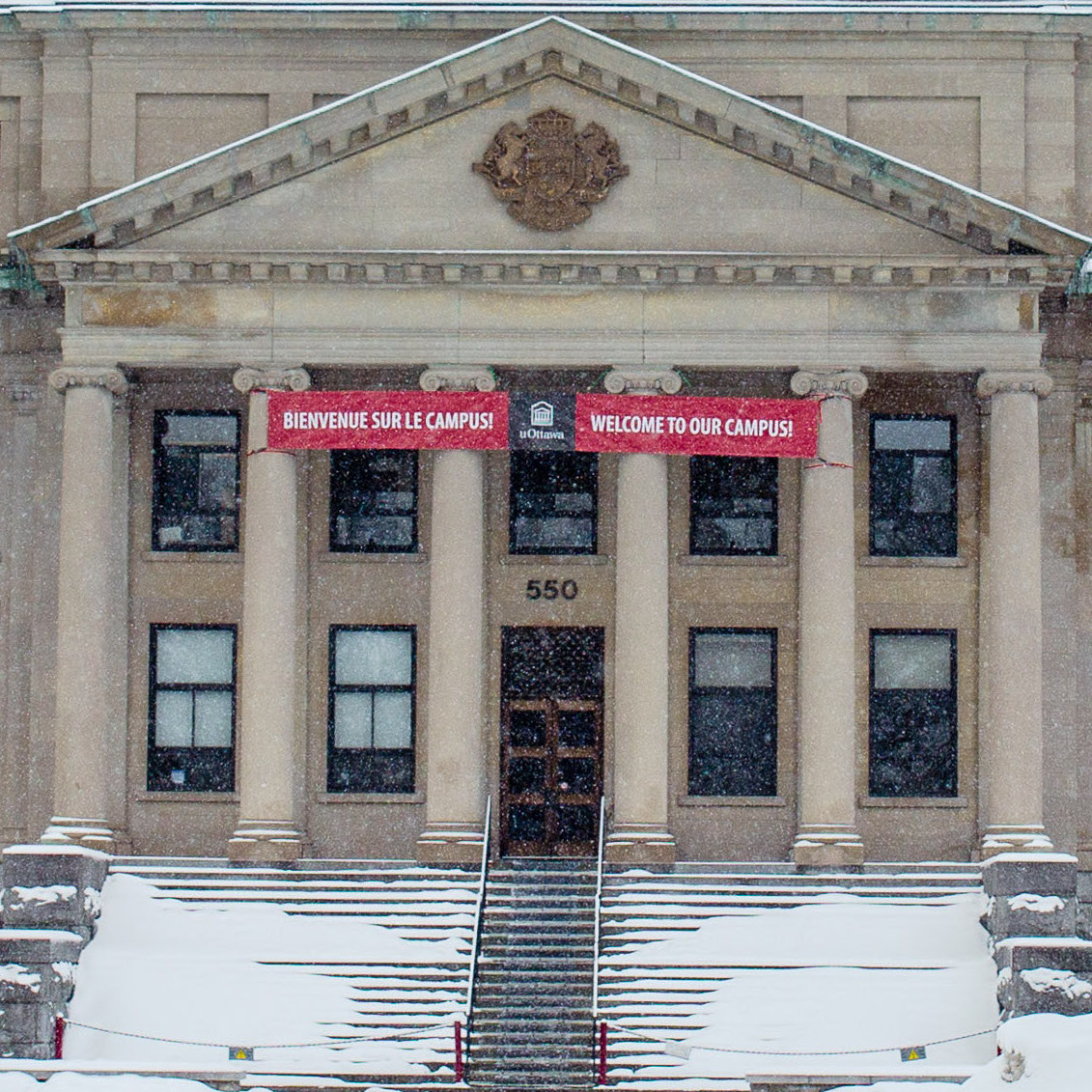
Hamelin Hall
Hamelin Hall

Programs

From the gold standard program in conference interpreting in Canada to a new Master of Translation program, the School is ready to prepare you for the language industry!

Our brand-new Master of Translation program offers a unique opportunity to build on your experience and expertise to acquire the knowledge and skills required in today’s language industry. Studying in person full- or part-time, you will develop and refine your knowledge of English and French and your skills in research, writing, translation, postediting and revision, and will explore the potential and limitations of technologies to assist in these tasks. You will learn about the language industry and its possibilities, have the opportunity to gain work experience through a practicum or the co-op program, and select from among optional modules to create the program pathway that will lead you to your professional goals.

Our full-time in-person Master of Conference Interpreting program offers a unique ten-month introduction to the exciting and dynamic field of conference interpreting. Guided by working Senior Interpreters from the Canadian federal government’s Translation Bureau and other experts, you will acquire and practice the skills required to deliver high-quality consecutive and simultaneous interpreting from English to French and French to English. Building on your already excellent language skills, you will build a foundation of theoretical knowledge and practical skills, capped with a practicum to help you to consolidate your learning.

Monitor this page for news on the reform and creation of research-oriented programs in Translation Studies. We look forward to sharing them with you soon.

Student experience

Whether you’re a prospective student or are currently enrolled, we’ve got you covered. With scholarships and bursaries to student associations and faculty events, we want you to get the most out of your time at uOttawa. Enrich your experience by checking out the following resources.

Phrase logo

Phrase

This department has been granted free access to the Phrase Academic Edition, an academic program designed for universities with translation courses.

Contact us

School of Translation and Interpretation

Hamelin Hall (room 401)
70 Laurier Avenue East
Ottawa ON Canada K1N 6N5
Map

Tel.: 613-562-5719
Fax: 613-562-5141

Office hours

Monday to Friday
8:45 a.m. to 12 p.m.
1 p.m. to 4:30 p.m. 
(June to August: closed at 3:30 p.m.)

Academic Office

Undergraduate Studies Office
Simard Hall, room 128
How to reach us
Fax.: 613-562-5973
[email protected] 

Graduate Studies 
Simard Building, room 416
613 562-5800 ext. 5439
[email protected]  

Ni manàdjiyànànig kakina Anishinàbeg

Ni manàdjiyànànig Màmìwininì Anishinàbeg, ogog kà nàgadawàbandadjig iyo akì eko weshkad. Ako nongom egawìkàd kì mìgiwewàdj. Ni manàdjiyànànig kakina Anishinàbeg ondaje kaye ogog kakina eniyagizidjig enigokamigàg Kanadàng eji ondàpinangig endàwàdjin Odàwàng. Ninisidawinawànànig kenawendamòdjig kije kikenindamàwin; weshkinìgidjig kaye kejeyàdizidjig. Nigijeweninmànànig ogog kà nìgànì sòngideyedjig; weshkad, nongom; kaye àyànikàdj.

Indigenous Affirmation

We pay respect to the Algonquin people, who are the traditional guardians of this land. We acknowledge their longstanding relationship with this territory, which remains unceded. We pay respect to all Indigenous people in this region, from all nations across Canada, who call Ottawa home. We acknowledge the traditional knowledge keepers, both young and old. And we honour their courageous leaders: past, present, and future.