Senior scholars of the University may receive the title of Distinguished University Professor in recognition of outstanding scholarly achievement at the University, pre-eminence in a particular field of knowledge and excellence or innovation in their teaching.

Deadline: March 6, 2026

Description

Professors holding regular APUO positions are eligible to submit their application. Exceptionally, clinical professors who are particularly active in the supervision of graduate and postdoctoral students and who have significantly contributed to the University's visibility may also be considered. The number of such distinctions should be no more than 25 regular tenured faculty. This number would not include persons who retain the title after retirement.

Source: Guidelines (updated in 2023)

Recipients

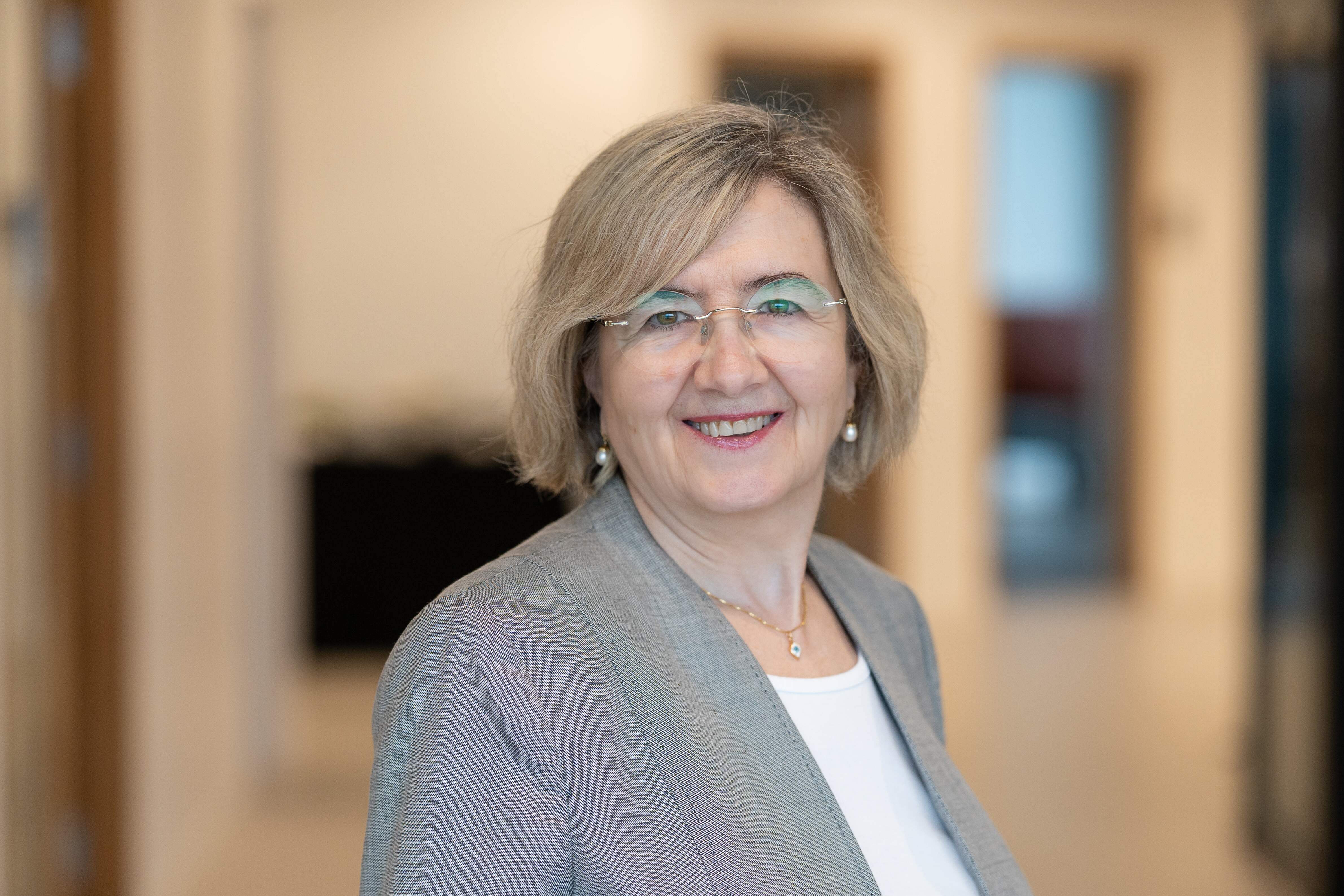
Handan Tezel
Handan Tezel

F. Handan Tezel 

Professor Tezel started her chemical engineering education in Ankara, Türkiye, at Middle East Technical University and transferred to Worcester Polytechnic Institute (Massachusetts), where she received her BSc. She moved to Fredericton, New Brunswick, for her MASc and PhD in chemical engineering, both from the University of New Brunswick. She has been a professor in the Department of Chemical and Biological Engineering at University of Ottawa since 1988. She also served as vice-dean research and received the John V. Marsh Award for Excellence in Teaching in the Faculty of Engineering. 

Professor Tezel has been recognized for her contributions to engineering as a fellow of the following national and International organizations: Chemical Institute of Canada (FCIC), Engineering Institute of Canada (FEIC) and International Adsorption Society (FIAS). She has trained many students, published numerous papers and worked with industrial partners on projects related to adsorption and membranes, with applications in thermal energy storage, gas separation, carbon capture and sustainability. 

Her contributions to the adsorption field were recently recognized by AIChE (American Institute of Chemical Engineers), which organized a session in her honour during its annual meeting in Boston in November 2025. 

Professor Tezel is currently one of the executive directors of the International Adsorption Society, as well as the AIChE Separations Division.

She is also an entrepreneur who founded Green Footprint Innovations, a startup that develops a technology for capturing carbon dioxide from ambient air for use in greenhouses.
 

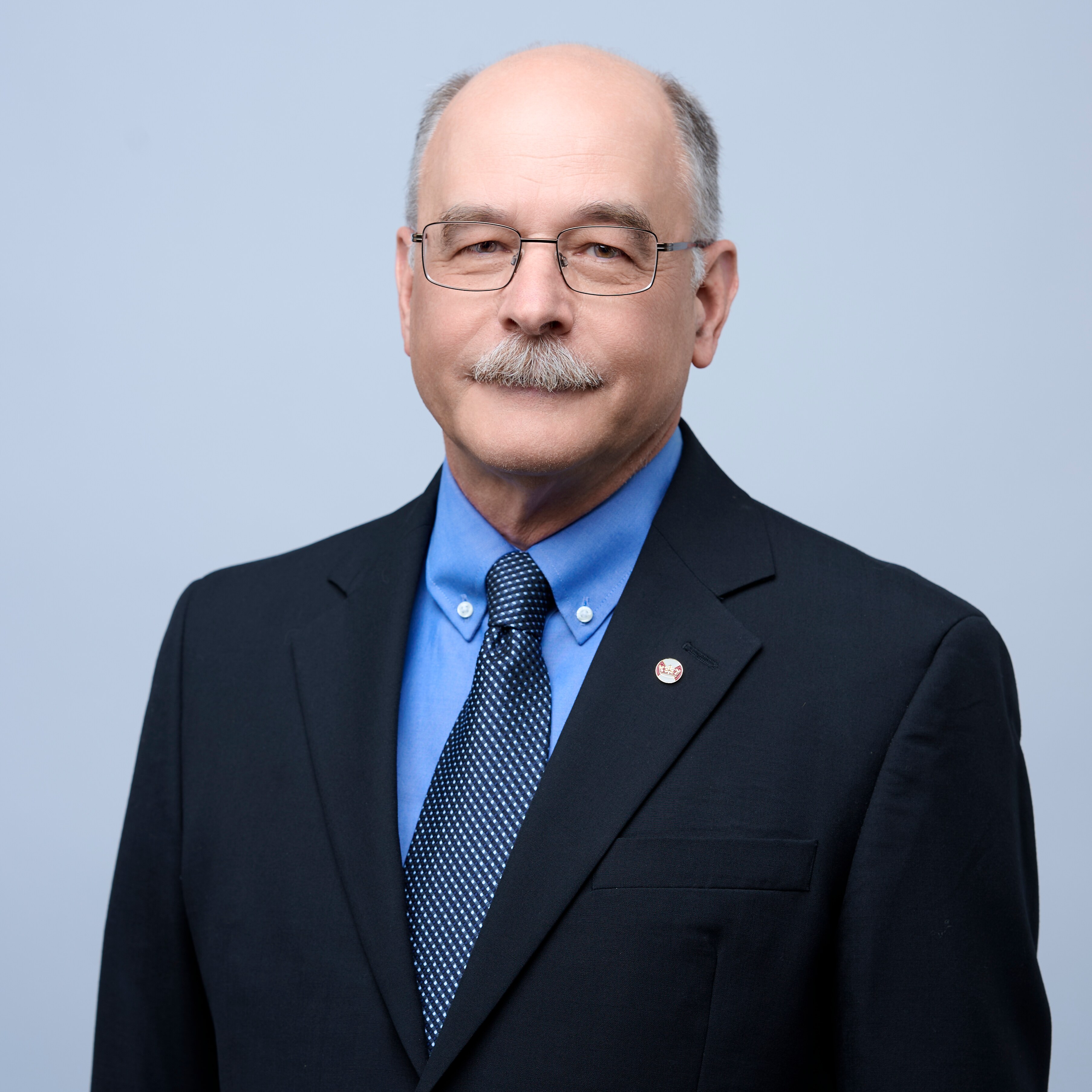
Mark Hannington
Mark Hannington

Mark Hannington

Professor Mark Hannington is an award-winning earth scientist recognized for his exceptional scholarly achievements and contributions as a teacher of marine geoscience and economic geology. 

He received a PhD from the University of Toronto in 1989 and spent 15 years conducting research on mineral deposits at the Geological Survey of Canada before moving to the University of Ottawa in 2005. In 2006, he was instrumental in establishing the first endowed research chair in economic geology in the Faculty of Science, which he held for 14 years. 

Professor Hannigan’s research has transformed the understanding of global mineral resource distribution by combining the study of active volcanoes on the ocean floor and ancient volcanic environments on land. He and his students have participated on more than 50 scientific expeditions to nearly a corner of the world, from the East Pacific Rise to the Juan de Fuca Ridge, the Mid-Atlantic Ridge, the Aegean and Tyrrhenian seas, Iceland, New Zealand, Antarctica, Tonga, Fiji, Vanuatu and Papua New Guinea. From 2015 to 2019 he led the Marine Mineral Resources program at the Helmholtz Center for Ocean Research in Kiel, Germany. 

Professor Hannington also served as chief editor of the journal Economic Geology, one of the oldest scientific publications in North America, from 2001 to 2009. In 2012, he was elected a fellow of the Royal Society of Canada (Academy of Science).

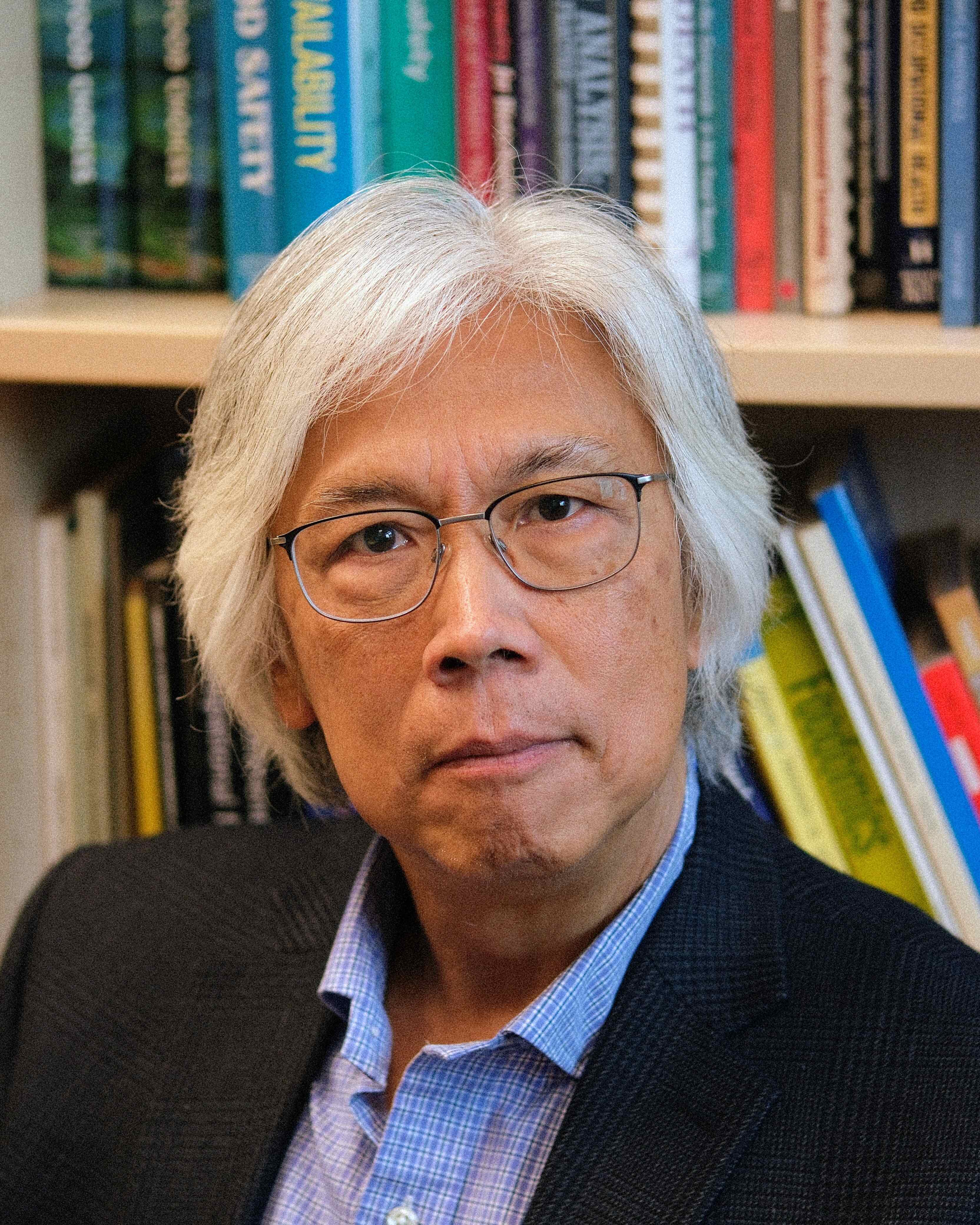
Laurie Chan
Laurie Chan

Laurie Chan

Professor Laurie Chan’s distinctions, sustained excellence and societal impact have earned him the designation of distinguished university professor at the University of Ottawa. Over more than three decades, he has produced internationally recognized research on environmental contaminants, ecosystem change, traditional foods, nutrition and human health. His work is characterized by long-standing, community-engaged partnerships with Indigenous peoples across Canada, generating evidence that supports health protection, food security, environmental decision-making and public policy.

Professor Chan’s leadership of major national studies, including the First Nations Food, Nutrition and Environment Study and the Food, Environment, Health, and Nutrition of First Nations Children and Youth Study, has shaped understanding of nutrition, contaminant exposure and environmental health in Indigenous communities. His record includes 340 refereed journal articles, more than 24,500 citations, and sustained influence on community, government and policymakers’ decisions. In 2025, he was named Faculty of Science Researcher of the Year and received the University of Ottawa Award for Excellence in Research. He was also awarded a Distinguished Research Chair in Holistic Environmental Health, after serving as a Tier 1 Canada Research Chair in Toxicology and Environmental Health.

Mentorship, leadership and service further demonstrate Professor Chan’s academic excellence. He has trained more than 100 graduate students, postdoctoral fellows and research associates, many of whom now contribute to science, policy and community health in Canada and internationally. As a Fulbright scholar and fellow of the Canadian Academy of Health Sciences, Professor Chan has advanced knowledge, strengthened Indigenous-partnered research, mentored future leaders and served society.

Selection procedure

Selection criteria

A nominee will have demonstrated:

  • remarkable research achievement at the University,
  • pre-eminence in a particular field or fields of knowledge,
  • a significant international impact in one or more fields,            
  • excellence and innovation in teaching,
  • an exemplary level of commitment to promoting equity, diversity and inclusion in their academic and teaching activities,
  • an exemplary level of commitment to the mission, vision and values of the University of Ottawa.

Nomination

The nomination process will be open, with requests for nominations coming from all members of the University community. A candidate may not apply on his or her own behalf. Members of the Selection Committee may not submit nominations.

Nominations will be addressed to the Provost and Vice-President, Academic Affairs, chair of the Selection Committee, and must include:

  • a nomination proposal of no more than three pages, signed by six professors from at least two academic units of the University, justifying the nomination and their choice and specifically addressing those points outlined in the selection criteria. The proposal will also be signed by the community members who nominated the candidate if they are not professors. Additionally, it would be helpful to include a note about publication norms for the field as these can vary between faculties;
  • four external letters of recommendation addressed directly to the attention of the Provost and Vice-President, Academic Affairs and signed by scholars of international standing in the nominee’s field, preferably scholars who have never collaborated with the nominee;
  • a condensed and up-to-date curriculum vitae (max. five pages) outlining the nominee’s body of work and highlighting his/her ten most significant scholarly publications;
  • a short (max. one page) non-technical description of the nominee’s contribution to his or her field of expertise and teaching.

Selection Committee

The Selection Committee will be appointed by the Joint Committee of the Senate and the Board of Governors, on the recommendation of the President. The Provost and Vice-Rector for Academic Affairs will chair this committee.

The Selection Committee will comprise six internal University of Ottawa members and two members from other universities. The membership of the committee will be made up of distinguished scholars and will be as broadly based as possible.

The Selection Committee will meet to review and rank the applications according to their compliance with selection criteria. It may request reports on each nominee from such additional outside referees as it believes are warranted. The final selection will be made by consensus after all documentation has been considered.

The Provost and Vice-President, Academic Affairs, on behalf of the Selection Committee, will present the recommendations for the title of Distinguished University Professor to the President and to the Joint Committee of Board and Senate for consideration. Such recommendations will be accompanied by a written statement outlining the accomplishments of each nominee.

Nominations not accepted by the Committee may be held active for up to three years. Nominators are responsible for providing an updated dossier in each year that the application is under consideration.

No candidate may be nominated a second time until at least two years have elapsed since the last consideration by the committee.

The number of full-time Distinguished University Professors will be no more than 25.

Recognition

A modest fund for research will be provided to each Distinguished University Professor for the first five years of the designation.

A Distinguished University Professor will retain the title on retirement.

Professors will be recognized at a ceremony organized by the university to celebrate excellence in teaching and research.

Distinguished University Professors will receive special recognition at convocation and, given their status as role models within the institution, should play a visible role in the formal affairs of the University.

Additional information

Should you have any questions, please contact [email protected].