
Braided sweetgrass

Aboriginal Law and Indigenous Legal Traditions

First Nations, Inuit, and Métis communities form an integral part of Canada's identity, shaping both our past and our future. As future legal practitioners, our students carry the important responsibility of fostering a legal system rooted in reconciliation. The Common Law Section is deeply committed to advancing this goal by actively implementing the Truth and Reconciliation Commission’s Calls to Action.

Law, Reconciliation and Decolonization course

As a part of the first-year curriculum, all 1L learners will complete the CML 1307 Law, Reconciliation & Decolonization course. In meeting the mandate of the Truth and Reconciliation Commission Calls to Action #’s 27 and 28, this course explores various topics related to Indigenous people and the law, including the history and legacy of residential schools, the United Nations Declaration on the Rights of Indigenous Peoples, treaties and Aboriginal rights, Aboriginal law, Indigenous law, and Indigenous-Crown relations.

Learn more about how this course was developed:

Decolonizing Legal Learning: Moving forward on Call to Action 28 at the Common Law Section (September 27, 2023)

Called to action: A new foundation in Indigenous laws and legal traditions for Common Law students (June 20, 2024)


Opportunities for upper years

The Aboriginal Law and Indigenous Legal Traditions Option will appeal not only to students interested in Aboriginal law, but to those who wish to understand Indigenous legal traditions and how they can be recognized alongside common law and civil law within Canada’s legally plural society. 

If you are interested, please visit the Option in Aboriginal Law and Indigenous Legal Traditions.

More opportunities for upper years:

  • Every year the uOttawa Faculty of law takes part in the Kawaskimhon Indigenous Moot. Kawaskimhon a word of Cree origin roughly translated to “speaking with knowledge” – is a consensus-based, non-adversarial moot that incorporates Indigenous legal traditions alongside federal, provincial and international law. There are no winners or losers. Instead, mooters participate in roundtable negotiations on a particular topic in Indigenous law, representing their assigned party.
  • Debwewin Summer Law Program. An intensive summer education program in which students are placed in Indigenous communities across the province – from Moose Cree to Akwesasne and many places in between – each summer, to work on justice issues in and with Indigenous communities.
  • Internships with Senators and legal practitioners who are active advocates for Indigenous issues.

Events

Beaded Àbimi pins

Beading Circle - weekly drop-in

Dates TBC for 2026-2027

Orange Tshirt-beaded pin

Seasonal Community Gatherings

Dates TBC for 2026. Beaded Orange Tshirt pin workshop

stack of books

RDC Community Reading Circle

October 7, 2026 through March 10, 2027.

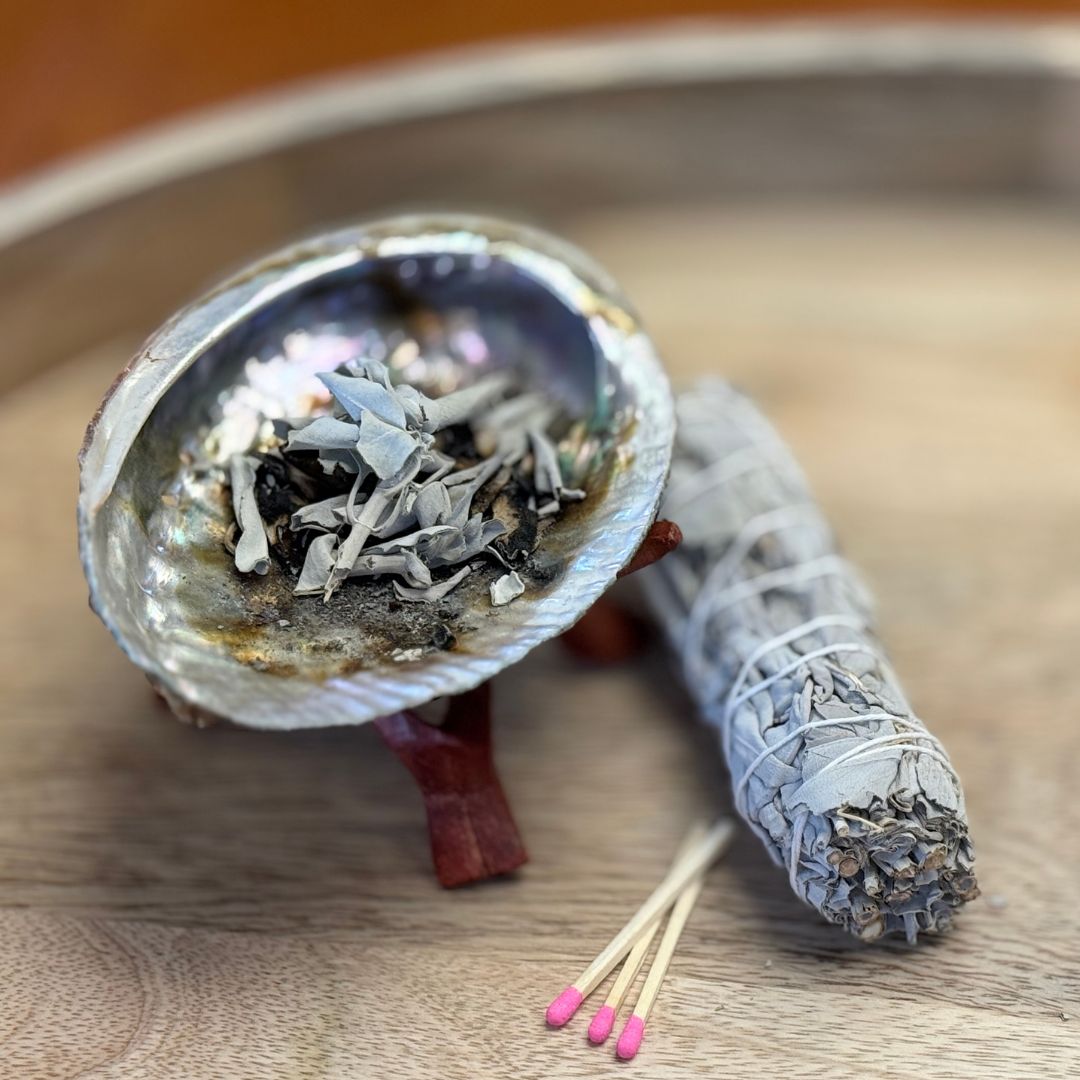
ceremonial sage

RDC Sage Advice Speaker Series

Dates TBC for 2026-2027

Community Resources

Tasha Simon

Tasha Simon

Tasha Simon is the Indigenous Programs Specialist at the Faculty of Law, and a uOttawa JD alum.

Gilbert Whiteduck

Gilbert Whiteduck

Algonquin Anishinabe Knowledge Holder

Indigenous Law Student Governance logo

Indigenous Law Student Governance

The Indigenous Law Student Governance (ILSG) has been a community for Indigenous law students at the University of Ottawa Faculty of Law for many years. As Indigenous students come to uOttawa from communities across Turtle Island, ILSG has always acted as a sort of “home away from home” for our Indigenous members. We’ve long been dedicated to fostering a community, putting on events, and gaining recognition within colonial legal spaces.

Indigenous Resource Centre logo

Mashkawazìwogamig Indigenous Resource Centre

The Indigenous Resource Centre (IRC) is a culturally safe space which offers a variety of programs and supports designed with First Nations, Inuit and Métis learners in mind. It is a place where you can work, meet your peers or learn from our staff and visiting elders and traditional knowledge keepers.
indigenous applicants

Indigenous Applicants

As we are committed to our leadership role in Canada’s reconciliation with Indigenous peoples, the Faculty of Law seeks to remove barriers and support Indigenous law learners.

Stay informed

All news
compilation of photos from Bruce McIvor's visit to FTX
October 30, 2025

Bruce McIvor wants Canadians to think critically about reconciliation

Bruce McIvor is critical. He’s not cynical. And he is correcting misinformation about Indigenous rights in Canada.
Professor Chidi Oguamanam
October 9, 2025

Reclaiming knowledge: Professor Chidi Oguamanam explores Indigenous intellectua…

As technology transforms how knowledge is produced, shared, and monetized, Indigenous Peoples around the world face growing risks of being sidelined i…
The Kawaskimhon Moot team 2025
April 14, 2025

Students explore Indigenous legal traditions at Kawaskimhon National Aboriginal…

Congratulations to the Common Law students who participated in the 2025 Kawaskhimhon National Aboriginal Moot - Josie Renz, 2L, Earl Wadden, 3L, and W…

Ni manàdjiyànànig kakina Anishinàbeg

Ni manàdjiyànànig Màmìwininì Anishinàbeg, ogog kà nàgadawàbandadjig iyo akì eko weshkad. Ako nongom egawìkàd kì mìgiwewàdj. Ni manàdjiyànànig kakina Anishinàbeg ondaje kaye ogog kakina eniyagizidjig enigokamigàg Kanadàng eji ondàpinangig endàwàdjin Odàwàng. Ninisidawinawànànig kenawendamòdjig kije kikenindamàwin; weshkinìgidjig kaye kejeyàdizidjig. Nigijeweninmànànig ogog kà nìgànì sòngideyedjig; weshkad, nongom; kaye àyànikàdj.

Indigenous Affirmation

We pay respect to the Algonquin people, who are the traditional guardians of this land. We acknowledge their longstanding relationship with this territory, which remains unceded. We pay respect to all Indigenous people in this region, from all nations across Canada, who call Ottawa home. We acknowledge the traditional knowledge keepers, both young and old. And we honour their courageous leaders: past, present, and future.